


Every January, prototypes glitter and promises fly, but only a few CES debuts make me reach for my wallet on the spot. This year, seven products cleared that bar with a mix of pragmatic design, clear problem-solving, and just enough delight to feel genuinely new.
From a distraction-free communicator to a crease-free foldable screen, these are the devices I’d buy the moment preorders open—backed by real-world utility, credible engineering, and a healthy dose of ambition.
- Clicks Communicator Dedicated Messaging Phone
- IKEA $10 Tile-Size Bluetooth Speakers for Any Room
- Samsung S95H OLED TV With Advanced Glare-Free Panel
- C-200 Ultrasonic Kitchen Knife for Precise Slicing
- Saros Rover Stair-Climbing Robot Vacuum for Stairs
- Crease-Free Foldable OLED Prototype With Seamless Hinge
- Dell XPS Revival With Core Ultra Series 3
- Why These Seven Picks Made the Cut at CES 2026
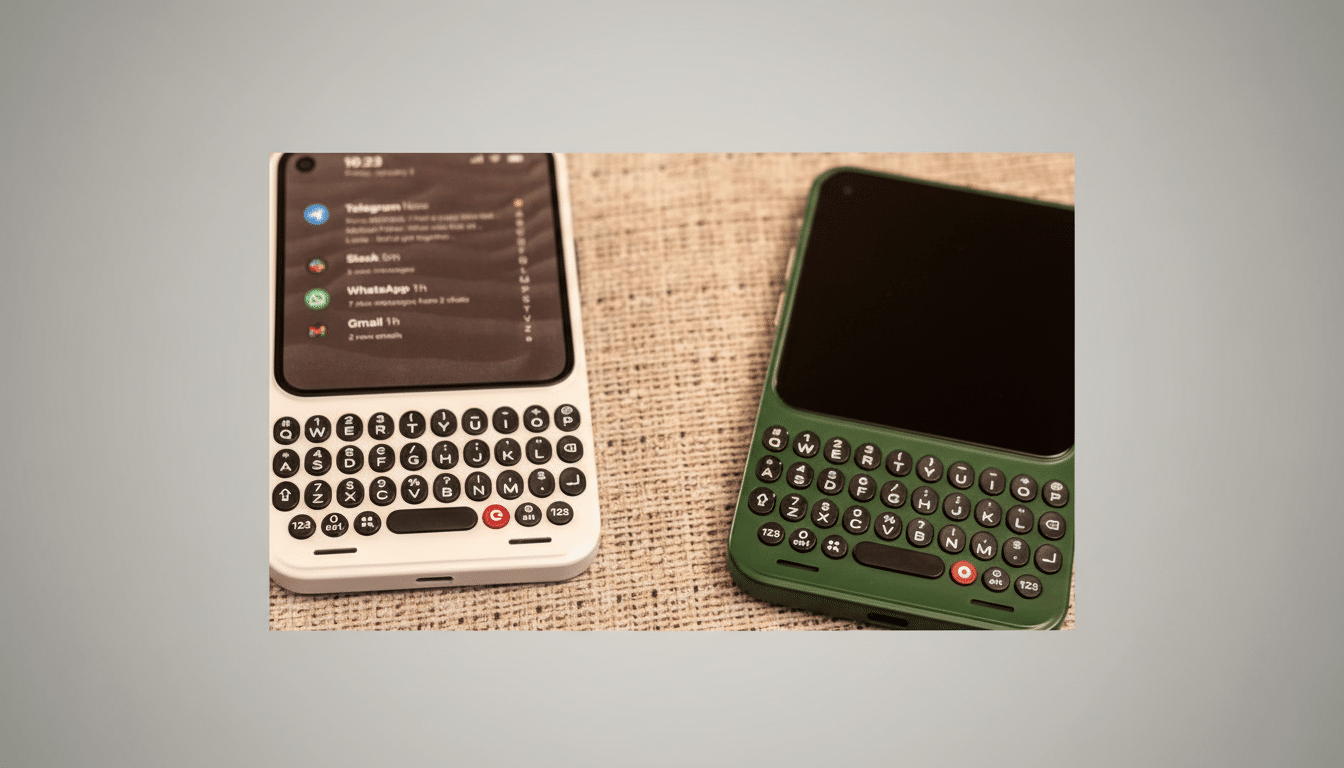
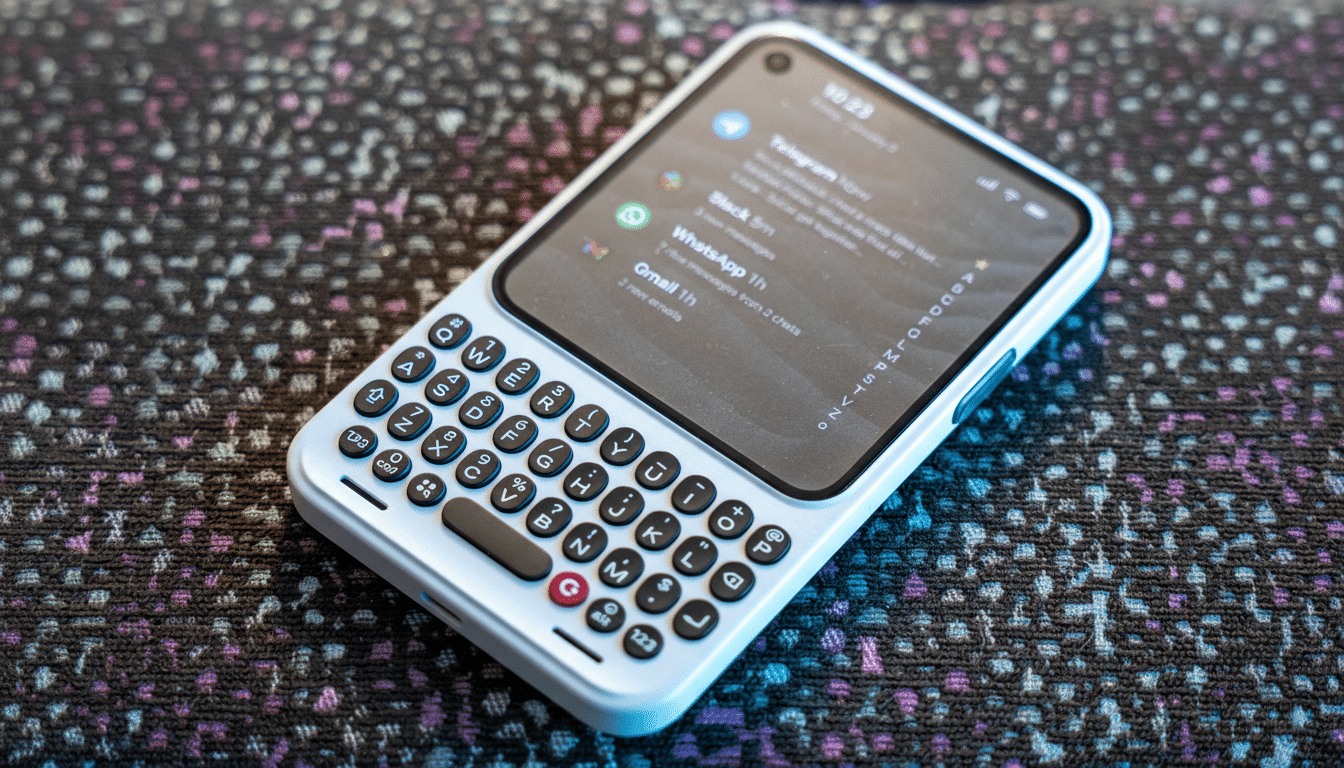
Clicks Communicator Dedicated Messaging Phone
In a world of dopamine-maximizing feeds, a dedicated messaging handset is a radical act of focus. The Clicks Communicator does it with intent: a clean, uncluttered OS, a notification LED you can actually see, a 3.5mm headphone jack for low-latency calls, and a MicroSD slot that bucks the trend of sealed, storage-locked slabs. It’s purpose-built for people who want conversations without the algorithmic noise. Digital well-being research from groups like Pew Research Center has chronicled the rising appetite for pared-back tech; this is the first device in a while that treats that trend not as a feature but as the whole point.
IKEA $10 Tile-Size Bluetooth Speakers for Any Room
Budget gadgets rarely set the CES agenda, which is why IKEA’s $10, palmable speakers stood out. They snap onto walls or tuck onto bookshelves, daisy-chain up to 100 units for whole-home sync, and play for roughly eight and a half hours at 50% volume—numbers IKEA shared that feel both practical and believable. For renters and dorm dwellers who can’t drill or run wires, this is instant ambient audio without the anxiety of pricey gear. The price elasticity alone could make this one of the most adopted “micro-smart” devices of the year.
Samsung S95H OLED TV With Advanced Glare-Free Panel
Big-screen TV innovation often reads like spec-sheet soup. This doesn’t. The S95H’s glare-reduction tech dramatically improves daytime viewing without visibly crushing brightness or color volume. That matters if your living room has windows you refuse to black out. Pair that with the option to offload ports to a Wireless One Connect Box and you get flexible cable management for multi-console, multi-speaker setups. Reflection handling has become a top differentiator in independent lab tests, and this panel looks engineered for the living rooms we actually have, not the blackout caves we wish we did.
C-200 Ultrasonic Kitchen Knife for Precise Slicing
Ultrasonic cutting has long been a fixture in operating rooms; bringing that precision to a countertop makes surprising sense. The C-200’s micro-vibrations glide through crusty bread, soft fruit, and layered desserts with minimal tear-out, so you get clean cuts and less mess. At roughly $400, it’s not an impulse buy—but if you meal-prep, entertain, or care about uniform slices for sous-vide and baking, the time saved and consistency delivered are compelling. Medical device makers have shown the safety and efficiency of ultrasonic blades for years; this is that concept, finally consumer-ready.
Saros Rover Stair-Climbing Robot Vacuum for Stairs
Robot vacuums have conquered mapping and mopping; stairs remained the final boss. The Saros Rover’s two-legged approach is more than a parlor trick—it’s the difference between cleaning the floor you’re on and cleaning the whole house. If the company’s claims on obstacle detection and stability bear out, this could leapfrog the “one per floor” compromise that’s persisted for years. With brands like Roborock and iRobot raising reliability expectations, the benchmark is high; this rover’s mechanics suggest it knows exactly what it’s up against.
Crease-Free Foldable OLED Prototype With Seamless Hinge
A foldable without a visible crease is more than cosmetic—it’s a usability upgrade that reduces glare, improves touch feel, and finally lets content look truly flat. Samsung Display’s prototype felt seamless at the fold, a refinement that could unlock broader adoption if it ships in volume. Analysts at Display Supply Chain Consultants have tracked steady foldable growth, but mainstream buyers still balk at durability and aesthetics. If Apple enters the category, it will demand precisely this kind of polish; a near-invisible crease is the bar to clear.
Dell XPS Revival With Core Ultra Series 3
Dell’s rebooted XPS lineup returns to what made it a default choice for creatives and frequent flyers: a sharper keyboard with proper key separation, a visible and accurate trackpad, serviceable internals, and that slick tandem OLED option. Add Intel Core Ultra Series 3 silicon—with more efficient performance cores and an upgraded NPU for on-device AI—and you get a laptop that’s faster under load and quieter in coffee shops. I’ll wait for the 13-inch model; in my testing over the years, that size is the productivity-to-portability sweet spot.
Why These Seven Picks Made the Cut at CES 2026
Each pick addresses a real, recurring friction: distraction, affordability, daylight glare, kitchen mess, multi-story cleaning, foldable skepticism, and mobile productivity. They’re grounded in proven trends the Consumer Technology Association and independent labs have tracked for years—more connected rooms, better human-centered design, and smarter power use—without drifting into vaporware. If these ship as shown, my money’s already spoken for.
