


Monitors and PC peripherals were the big stars at CES 2026, thanks to jumbo 6K panels and reimagined input gear—a sign that this will be the year desk hardware takes a serious step up.
From esports-grade motion tech to keyboards that moonlight as control surfaces, the peripherals category is moving faster—and smarter—than it has in years.
- Mega Monitors Redefine the Desk With 6K Ultrawide Screens
- Gaming Panels Go All In With Motion Clarity
- Keyboards Move Customization Front and Center
- Mice That Zip Through Work and Save Battery
- Pro-Grade Parts Elevate Gamepads for Competitive Play
- Accessibility Tech Takes Center Stage at CES 2026
- Why These Picks Matter in 2026 for Work and Play
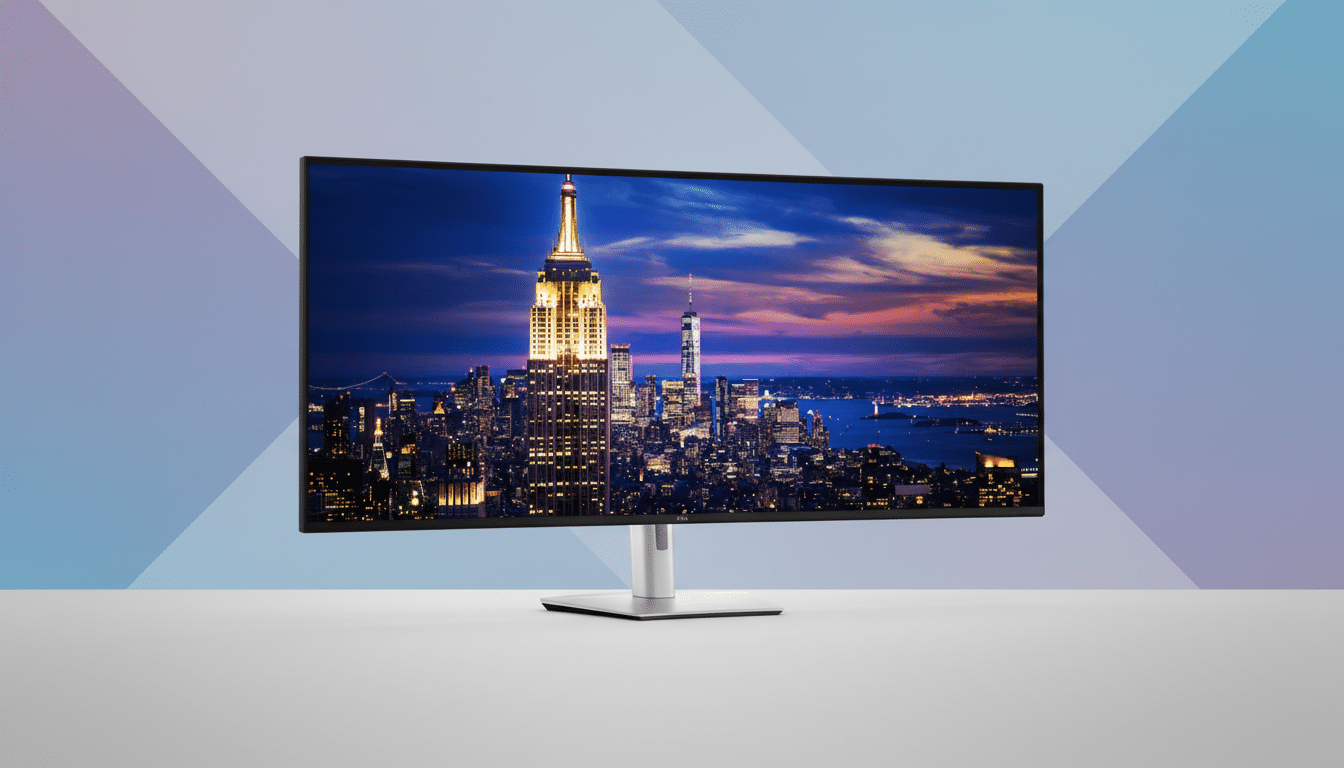
Mega Monitors Redefine the Desk With 6K Ultrawide Screens
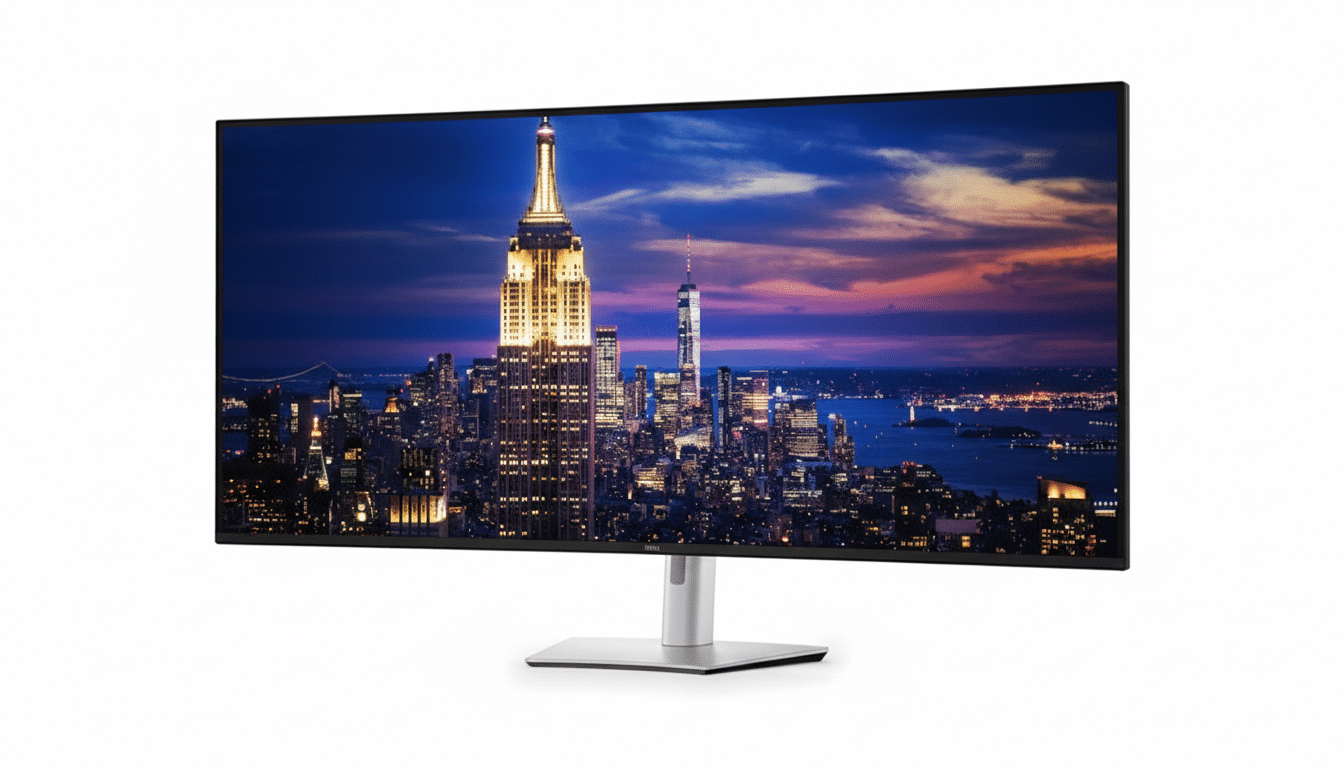
The UltraSharp 52 from Dell was announced as the ultimate productivity canvas: a 52-inch ultrawide display with a 6K resolution, designed for people who dwell in timelines, dashboards, and multi-app workflows.
The IPS Black panel supports high contrast, a 120 Hz refresh rate, and sRGB and DCI-P3 coverage, so it’s as easy to use for colour-tuned edits as it is for working on sprawling spreadsheets.
While it’s not quite new, it has enough to juggle multiple sources and display them at once as a replacement for dual- and triple-monitor setups. Display Supply Chain Consultants has charted an increase in demand for 5K/6K-class panels among creative pros; this is the first ultrawide of such size and spec that wraps all those trends into one desk-swallowing display.
Gaming Panels Go All In With Motion Clarity
The top gaming display news was Nvidia’s G-Sync Pulsar finally landing on retail monitors from Acer, AOC, Asus, and MSI. Pulsar combines variable refresh rate with the motion-detail-enhancing advantages of ULMB 2, eliminating the trade-offs between tear-free frames and blur-eliminating strobing technology.
Nvidia’s own example shows what a jump that is: at 250 fps with Pulsar, motion clarity may be indistinguishable from a 1,000 Hz display that runs at 1,000 fps. That’s not just a trick for professional shooters—more clarity in motion makes tracking targets and reading fast-moving HUD elements easier on everyone—but it should be particularly desirable in esports, where milliseconds count as much as anything else.
Keyboards Move Customization Front and Center
Corsair’s Galleon 100 SD, meanwhile, takes the tenkeyless concept in a new direction—instead of creating an empty numpad space (because you removed it entirely), that missing area becomes an integrated 12-key Elgato control deck, each key a tiny LCD with per-app profiles.
It’s not just a bunch of macro bling—streamers can trigger scene changes, editors can access their timeline control windows, and system data lives on a keycap without cluttering the screen.
HP’s HyperX Origins 2 takes modularity to the max. More than just hot-swappable (3-pin and 5-pin compatible), even the PCB and switch subassembly pull out of the case, begging for custom housing—including 3D-printed shells. Tunable actuation allows you to change the sensitivity of your key response, with 8K polling rates helping eliminate input delay for a light-speed attack.
Mice That Zip Through Work and Save Battery
The HP Ultra-Fast Scroll Wireless 780M doubles down on the work and productivity approach, coming with dual scroll wheels—one vertical and one horizontal—so you can rip through tall webpages and wide spreadsheets in racy fashion.
Six programmable buttons link to HP’s Action Center for app-specific shortcuts that help cut away seconds of rutted tasks.
Sustainability and longevity make it special: HP says a supercapacitor replaces the usual battery, offering up to a month of use after three minutes of charging via USB-C. The shell is made with 60% recycled material and is shipped in renewable packaging, in line with standards from organizations such as TCO Certified and EPEAT that are increasingly driving enterprise purchasing.
Pro-Grade Parts Elevate Gamepads for Competitive Play
8BitDo’s newest controller is aimed at the top tier, sporting tunnel magneto-resistance (TMR) analog sticks, Hall-effect triggers, and support for 1,000 Hz polling mode via 2.4 GHz wireless.
That combo fights drift and tightens response—the two specs competitive players sweat over—while a contactless charging dock keeps it topped off between sessions.
Customization is unusually deep: swap stick toppers and D-pad styles, and even decide between face buttons that are clicky, micro-switched, or soft-feeling, for instance. At a $150 price point, it almost sounds like a list of parts raided from boutique mods—finally available off the shelf.
Accessibility Tech Takes Center Stage at CES 2026
Mangoslab’s Nemonic Pro transforms Braille labeling into a voice-activated workflow. Say a word or phrase in one of the supported languages, or type it out through the app; the printer translates to Braille and produces raised-dot labels for pantry items, switches, and medication. It’s an intelligent aid for families and businesses that lack Braille proficiency.
At a target price of under $1,000, it would undercut many specialty devices and potentially widen access. Organizations like the World Blind Union have long wanted common assistive devices with easier-to-use interfaces; this is something of a mundane step in that direction.
Why These Picks Matter in 2026 for Work and Play
A few threads hold these shows together: consolidation, control, and comfort. The Dell ultra-ultrawide combines multiple monitors into an equally spaced, single calibrated surface. G-Sync Pulsar and sub-1,000 Hz-class input will tighten control to the extent hardware will no longer be the limiting factor. And careful ergonomics, from dual-scroll mice to stream-ready keys, minimize friction during long periods of work or play.
If recent buyer surveys from industry researchers are any guide, users are buying fewer but better devices. CES 2026’s leading monitors and peripherals reflect that evolution: fewer compromises, more capability, and smarter designs that meet you where you actually live—at the desk.
