


Las Vegas provided a whirlwind of revelations again, and the Best of CES 2026 awards made it clear where consumer tech is going next. But the best of the show wasn’t just shiny prototypes: It was a slate of practical answers to longstanding problems, from foldables that finally seem ready for real work and robots that can finally navigate stairs to TVs that close what feels like the intractable OLED-versus–Mini LED gap, and AI wearables that look less like AI wearables than normal gear.
Throughout the show floors, a single thread could be followed: less gimmickry, more practicality. That’s evident in this year’s winners, which map neatly to what people really need at home, work, or on the go.
Foldables and phones turn the corner at CES 2026
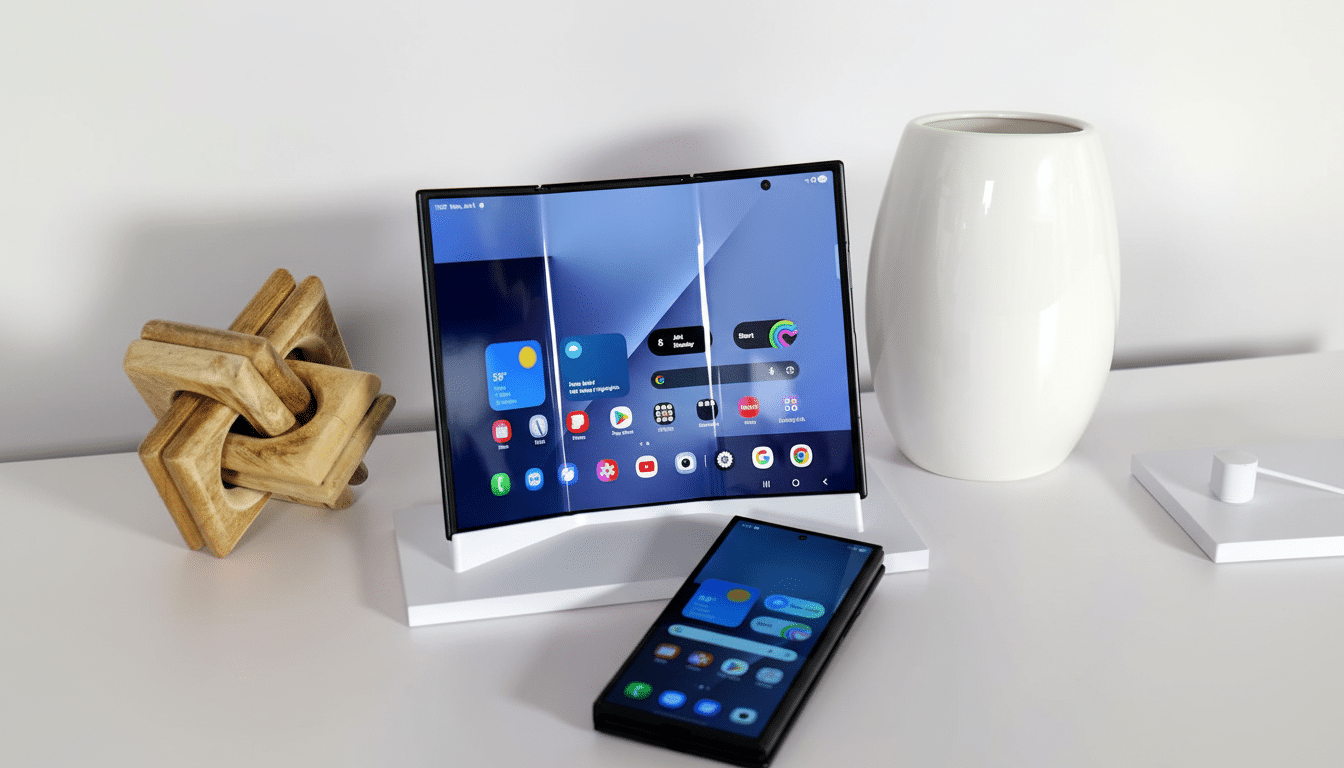
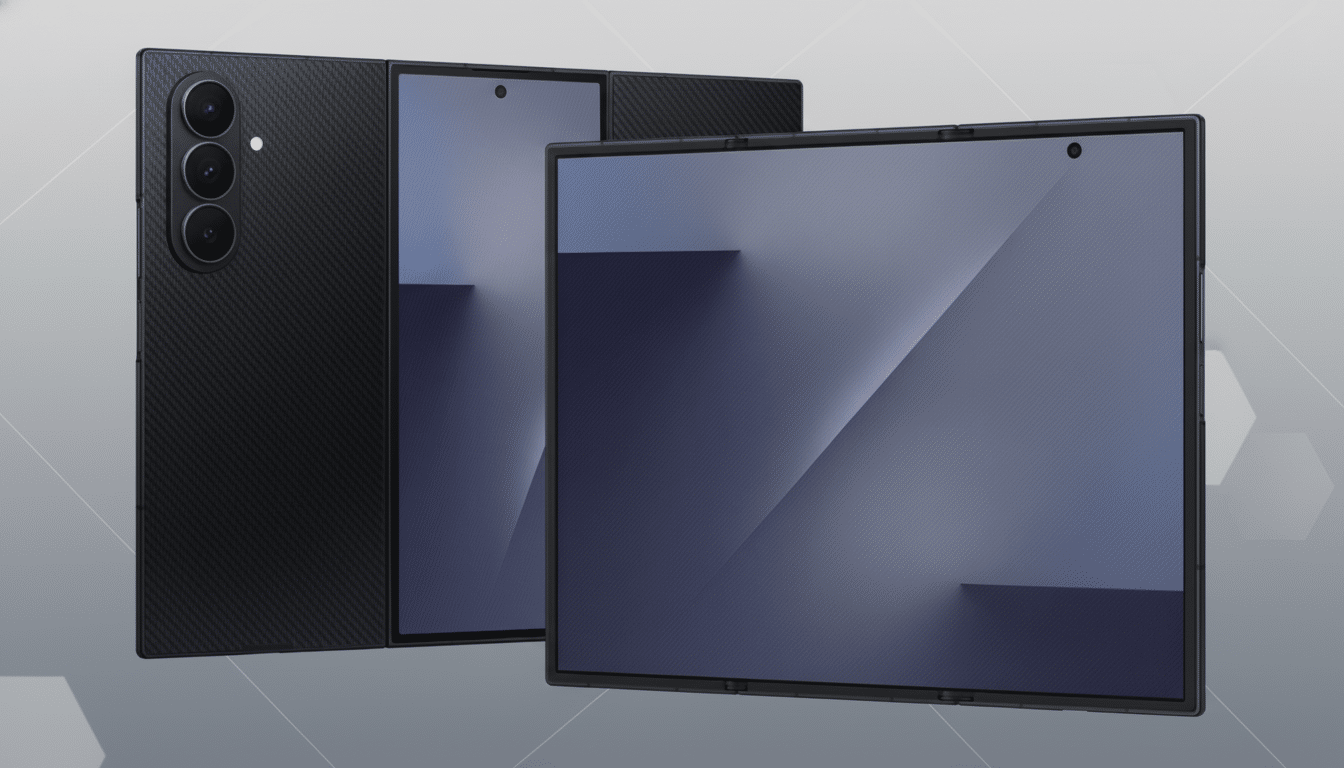
Samsung’s Galaxy Z TriFold served as the conversation starter. It’s a phone that folds in two to create an almost-10-inch tablet, then runs real three-pane multitasking and desktop-style workflows on the inner screen. With Android 16 and a tweaked interface allowing app layouts that don’t fold under pressure, it’s finally the most convincing pocketable tablet around — and a sign that foldable software has caught up with the hardware at last.
Motorola’s Razr Fold, the company’s initial book-style foldable, was a commitment to approachability: solid hinge, sharp panels, and clean, mostly stock Android that scales serenely to fill the big screen. And there’s room for innovation outside brute horsepower, as TCL’s NXTPAPER 70 Pro proved. The matte, paper-inspired 120 Hz panel, the dedicated display-mode switch, better anti-flicker tech, and even optional stylus support aim to ensure it won’t make your eyes bleed after five minutes’ use while stripping out feature aspects that could drive up the price upwards of $400.
Analysts at firms including Counterpoint Research have reported consistent double-digit growth of late, and today’s cast goes a long way toward explaining why: better multitasking, stronger hinges, and designs that don’t require trade-offs.
Robots finally enter real homes with practical designs
Roborock’s Saros Rover reframed mobility. And with hinged wheel-legs, it can be balanced, climb, and clean individual stair treads — even on curved staircases — solving a pain point robot vacuums have been dodging for a decade. It’s still a teaser, but there was something earth-shattering in that preview for home robotics.
Dreame’s X60 Max Ultra invaded the rest of the house with retractable LiDAR and new FlexiAdapt mechanics that hoist it over obstacles up to 8.8 cm tall. Less than 7.95 cm in height, it’s able to get under furniture — including some of the stuff that stops most flagship models where they stand — and returns to a dock that washes mop pads with 100°C water. AquaSense X took Beatbot’s “hands-off” pledge outside with a self-cleaning pool dock that flushes debris and rinses filters in one fell swoop, leaving only the worst upkeep to bag swaps that happen infrequently at best.
If the Consumer Technology Association has drilled anything into attendees over recent show cycles, it’s that home tech adoption surges when maintenance dips. These bots play into that lesson.
Displays and TVs rewrite the ceiling for brightness
TCL’s X11L Mini LED TV takes on OLED straight for the crown. With nearly a quoted peak of 10,000 nits, approximately 20,000 local dimming zones, and BT.2020 coverage backed by Super Quantum Dots and improved backlighting control, it’s promising those searing highlights with minimal blooming. That 20 mm-thin body and Bang & Olufsen tuning complement the upscale pitch, which starts at $6,999 for 75 inches.
On the gaming side, LG Display introduced a 27-inch QHD OLED panel that achieves 720 Hz in Performance Mode or 540 Hz at higher resolution with Dynamic Frequency and Resolution switching working its magic. With 0.02 ms gray-to-gray response time, near-complete DCI-P3, and up to 1,500 nits of brightness, technology-wise it’s a marriage of esports speed and OLED contrast. For competitive players, that’s a step change; for display makers, a gauntlet.
Wearables and AR move beyond novelty to normal
AI glasses won legitimacy by resembling ordinary eyewear. The MemoMind company’s flagship product, the Memo One, is a mere 28.9 g but offers two micro-displays, ambient audio, and a hybrid AI stack for managing translation, note-taking, and contextual prompts utilizing standard translators in the foreground while using multiple model providers behind the scenes. A charging case adds a bit of runtime for up to a week, and prescription support coupled with selectable styles indicates mainstream ambitions at around $599.
The ROG XREAL R1 prioritized speed, from its 1080p-per-eye resolution at up to 240 Hz to its 57-degree field of view, down to head tracking and USB-C plug-and-play designed with handhelds in mind. And Razer’s Project Motoko posed an intriguing query: What if smart glasses were headphones? It put the tech, in other words, on your head without putting it on your face. Privacy concerns will come later, but the workaround to form-factor stigma is pretty ingenious.
On the other hand, Pebble’s Round 2 was self-restrained: an ultra-thin e-paper watch tailored for notifications and a two-week battery life, without any fitness sensors at all. In a sea of wearables that try to do everything, focus felt refreshing.
Gaming and PCs: doubling down on choice and power
Lenovo’s Legion Go 2 with SteamOS mashed together premium handheld hardware (an 8.8-inch, 144 Hz OLED display, Ryzen APU silicon in the Z2 Extreme family, up to 32 GB of LPDDR5X memory, and up to a 2 TB SSD) with Valve’s console-like interface and rapid suspend-and-resume plus instant access to your Steam library. Starting at $1,199, it’s an intentional play above the Steam Deck for those who desire raw headroom but don’t want Windows friction.
For laptops, the new Core Ultra Series 3 chips give the Galaxy Book 6 lineup a more defined performance ladder, with the top-line Ultra including RTX 50-series graphics and options with up to 64 GB of memory. Promises of up to 30 hours of video playback on the Pro and Ultra, with dynamic 120 Hz AMOLEDs and an anti-reflective coating, indicate fewer compromises between endurance and visual fidelity.
For pure audacity, the Lenovo Legion Pro Rollable Concept unspooled a notebook-size 16-inch PureSight OLED to as big as 24 inches via a dual-motor mechanism — a desktop-class canvas that travels like a laptop. That’s early in the day, but rollables seem like a natural next frontier after foldables.
Why these winners matter for the next wave of tech
Recent CES editions have attracted more than 100,000 attendees, its organizer says, and this year’s awardees exemplified why people stream to the floor: not just spectacle, but solutions. Foldables that behave as tablets can when you need them to. Robots that don’t require you to baby-proof your home. Screens that go big on brightness and speed without ruining color. Wearables that fade into your life.
If 2025 was going to be about AI everywhere, 2026 was poised to become the year that AI and hardware teamed up to eliminate friction. That’s what this Best of CES class celebrates — and why these products are worth tracking as they travel from booth to buyers.
