


Peer-to-peer fashion rental platform By Rotation has teamed up with Uber to offer rapid delivery of rented ski clothing across the U.K., promising doorstep drop-offs in as little as 60 minutes and a 10% discount on courier fees through the spring season. The tie-up targets one of rental’s thorniest pain points—last‑mile logistics—at precisely the moment skiwear spikes in demand.
How The By Rotation And Uber Ski Delivery Service Works
When renters check out on the By Rotation app and choose items available nearby, a prompt invites them to select Uber Courier for same‑day pickup and delivery. The discount is applied automatically, and while all categories qualify, the push is aimed at skiwear, where urgency is common and items are bulky.
- How The By Rotation And Uber Ski Delivery Service Works
- Why Skiwear Is Especially Well Suited To Fashion Rental
- Sustainability And The Circular Wardrobe
- By Rotation’s Momentum And Expansion Into New Markets
- What Uber Gains From Powering Circular Fashion Logistics
- What To Watch Next As The Ski Rental Pilot Scales

By Rotation says roughly 30% of ski renters seek same‑day handoffs, and about one in four bookings across the platform happen within 48 hours of an event. Fast couriering trims the “last obstacle” in a rental that otherwise depends on coordinating schedules, long transits, or panic purchases.
The partnership runs through May and is designed to keep gear circulating locally—think insulated jackets, salopettes, goggles, and base layers—so users can secure pieces from neighbors without resorting to overnight shipping or resort‑town markups.
Why Skiwear Is Especially Well Suited To Fashion Rental
Ski clothing is expensive, highly seasonal, and often lightly used—prime territory for rentals. A technical jacket that costs several hundred pounds may get worn a handful of days each year; renting lets people access premium brands and performance features without committing to ownership. It also addresses a new aesthetic trend: alpine core has moved from slopes to social feeds, fueling last‑minute outfit requests for both trips and après‑ski events.
The local courier model is particularly helpful for items that are hard to pack or replace on‑site. For lenders, rapid delivery increases conversion on high‑value pieces that otherwise sit idle; for renters, it reduces hassle and total trip costs.
Sustainability And The Circular Wardrobe
Beyond convenience, the move bolsters rental’s sustainability pitch. Research cited by the Ellen MacArthur Foundation shows clothing utilization has fallen even as production has grown, compounding waste and emissions. UNEP and other climate bodies estimate fashion’s CO2 footprint at a meaningful share of global totals, while WRAP’s analysis indicates extending the life of garments by just nine months can cut carbon, water, and waste footprints by 20–30%.
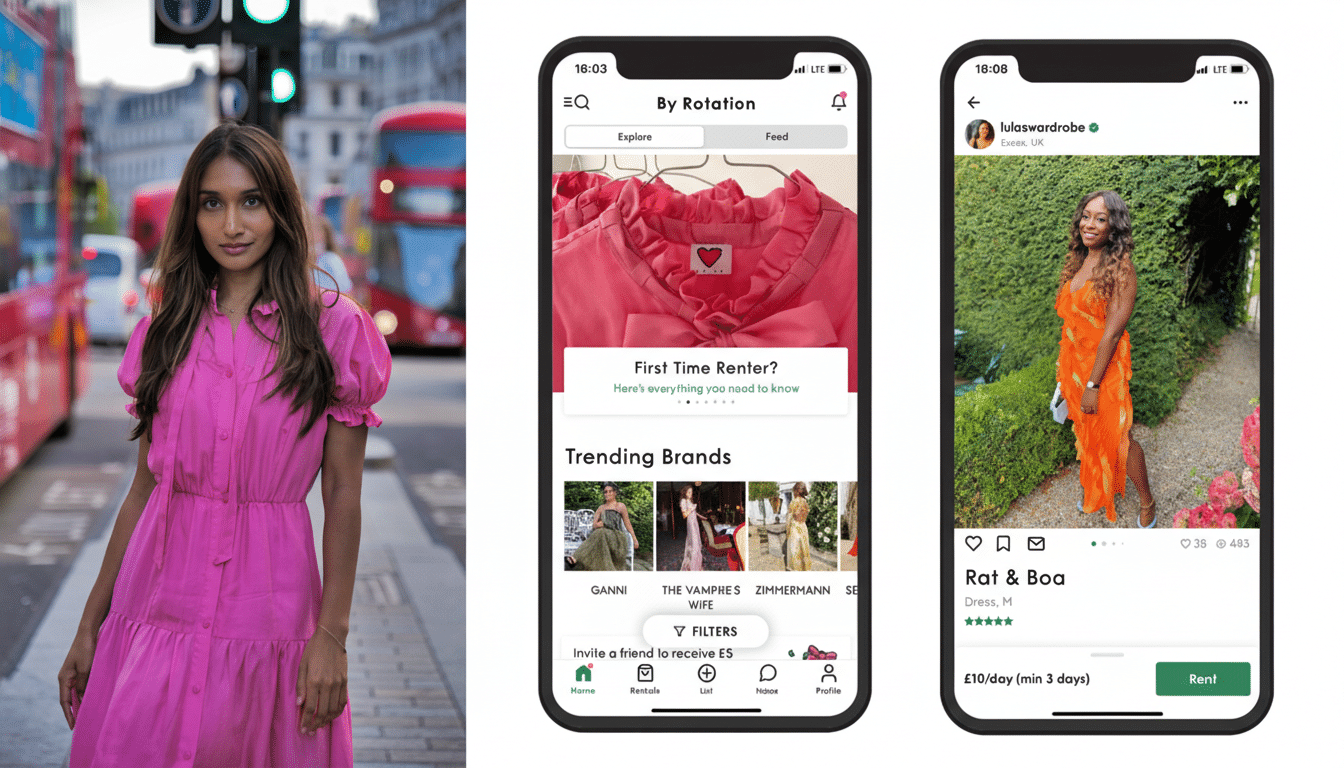
Fast delivery has traditionally nudged consumers toward ultra‑cheap, disposable items; giving the same speed to rentals could redirect impulse buys toward circular choices. ThredUp’s Resale Report and McKinsey’s industry outlooks both point to rapid growth in secondhand and rental as cost‑savvy, lower‑impact alternatives embraced by younger shoppers.
By Rotation’s Momentum And Expansion Into New Markets
Founded in 2019 by Eshita Kabra‑Davies, By Rotation reports more than 1 million users and community‑managed luxury inventory exceeding $100 million in retail value. The company has expanded from the U.K. to New York, with ambitions to scale into additional markets including the UAE. Past collaborations have tapped into life moments—such as a program with a home‑sharing platform to outfit destination wedding guests—demonstrating how partnerships can remove friction at exactly the point of need.
Community stories underscore the platform’s economics: some top lenders have turned underused wardrobes into meaningful supplemental income, funding major life milestones. Faster, predictable deliveries via Uber are meant to lift lender earnings further by increasing booking confidence and utilization.
What Uber Gains From Powering Circular Fashion Logistics
For Uber, the collaboration showcases its courier network as infrastructure for the circular economy. The company has leaned into same‑day and scheduled delivery to complement ride‑hailing, and fashion rentals add a high‑frequency, high‑visibility use case beyond groceries and parcels. If successful, the model could extend to other seasonal categories—think formalwear during graduation season or outdoor gear in summer.
What To Watch Next As The Ski Rental Pilot Scales
Adoption will hinge on reliability and price sensitivity: can most renters actually receive gear within the hour, and does the 10% courier discount tip the scales versus buying? Operationally, garment care is crucial—lenders and couriers will need clear handoff protocols and protective packaging to prevent transit damage.
If the pilot drives higher utilization of premium skiwear with fewer emergency purchases, it could become a blueprint for circular logistics in other fashion niches. For now, renters get the promise of slope‑ready outfits delivered almost as fast as a ride—without the baggage of owning gear they rarely use.
