


Heated Rivalry has propelled itself into the upper echelon of streaming talk and must-watch lists, and viewers are not shy about where it landed them. The hockey drama’s intimate beat feels a little more electric than usual, sparked by story stakes, careful filmmaking and palpable chemistry that social feeds can’t stop replaying. Here’s how the series converts narrative tension into heat that actually hits the screen.
Plot and Scenes Sizzle with the Stakes Notched
Heated Rivalry doesn’t want innuendo; it wants desire built on pressure. Two elite athletes, both rivals in public and secret lovers behind closed doors, go up against the iciest adversary of slasher season at a workplace that may not survive being outed: their careers — ice time, contracts, endorsements and even personal safety. That risk isn’t subtext; it’s the oxygen in every encounter, and it conditions us from moment to moment to experience each touch as a decision with real consequences.
- Plot and Scenes Sizzle with the Stakes Notched
- Filmmaking Choices That Raise the Temperature
- Casting and Chemistry You Can Feel on Screen
- Slow Burn and Rivalry Are Algorithm Gold
- Authenticity Drives Representation That Resonates
- Sound, Silence, And the Small Details That Matter
- The Bottom Line on Heated Rivalry’s Rising Heat
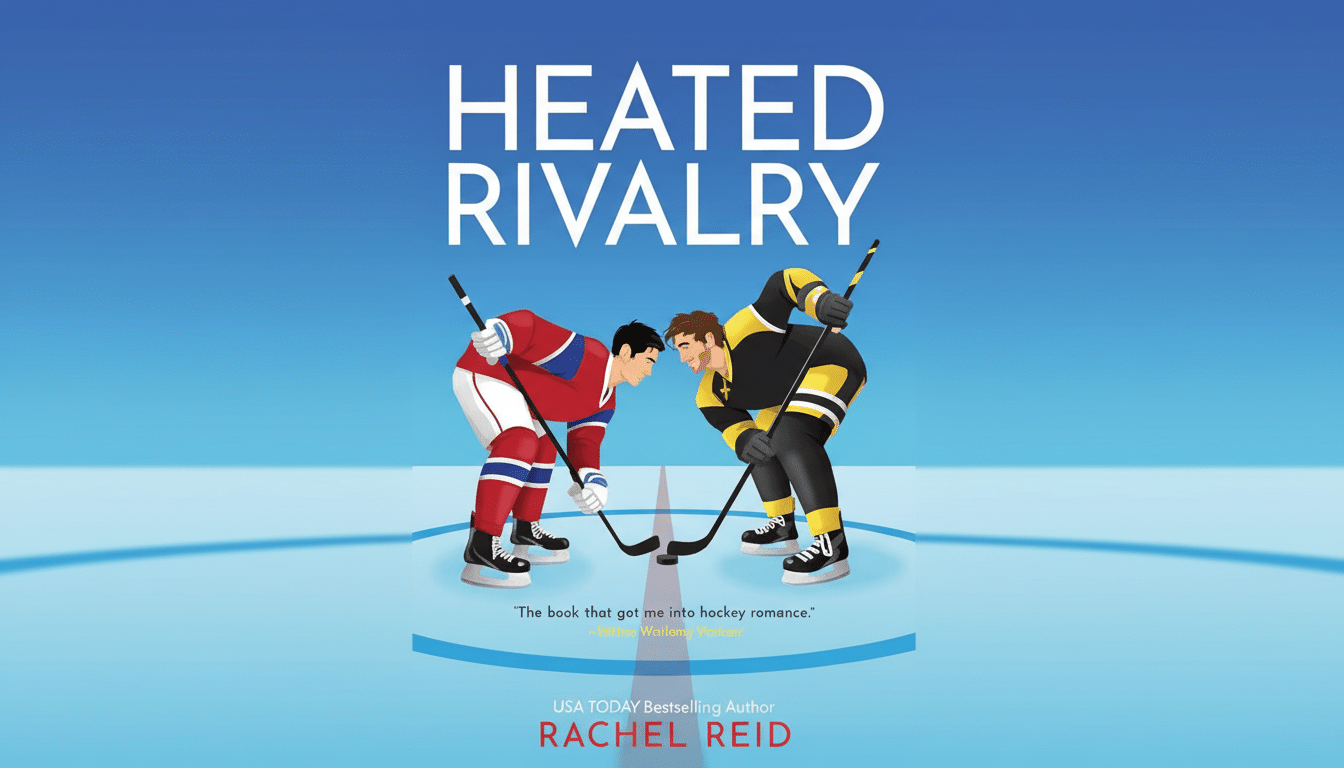
The sports setting magnifies the impact. The NHL’s recent discussions of visibility around Pride have kept queerness in sport under the microscope, lending the series a real-world friction. When the show embraces secret hotel hook-ups and coded eye contact after face-offs, it acknowledges the cultural fact that queer athletes still play by different rules of disclosure and inclusion.
Filmmaking Choices That Raise the Temperature
Yes, the sex scenes are hot because they don’t just connote but are literally made. Warm lighting, controlled color palettes and long takes lead the viewer to remain in a room with breath and tension instead of cutting away to clichés. The camera holds on faces and tiny physical negotiations — hands seeking their places, a shoulder’s almost pull-back, a lean-in matched by a leaned-back — such that consent and desire read as clearly as if described.
Industry practice has finally caught up with audience expectations. Intimacy coordinators, who have become a fixture on most major sets in the wake of SAG-AFTRA-endorsed protocols and groups like Intimacy Directors and Coordinators becoming more widely recognized, map out scenes beat by beat. The paradoxical result of all this: Choreography makes action safer, and safety allows actors to play risk, jeopardy and tenderness more credibly.
Casting and Chemistry You Can Feel on Screen
Great intimate scenes start with great casting. The leads traffic in equal parts rivalry and vulnerability — the most obvious tell may be watching their physical energy move from guarded to greedy over the arc. That’s not luck; productions screen test pairs more and more under intimacy conditions now to make sure trust and timing are there before cameras roll.
There is precedent for how much this matters. One series, which gave a lot of credit to its intimacy coordination, became the new standard for realism and emotional legibility in TV sex. The early seasons of Bridgerton demonstrated how a carefully produced concept of desire can shift culture and numbers at once. Heated Rivalry works in that tradition but layers on the high-contact, high-adrenaline texture of pro hockey.
Slow Burn and Rivalry Are Algorithm Gold
Enemies-to-lovers is a juggernaut of a trope for a reason. It’s designed for deferred satisfaction: nearness, tension, resistance, abandonment. The trope’s hashtag has amassed billions of views on platforms like TikTok, and scene edits that track “from hatred to hunger” regularly outperform traditional romance clips. The problem of slow-burn payoffs seems to account for the spike in audience demand more than it is time shifted, with explicit stakes and a payoff that feels earned.
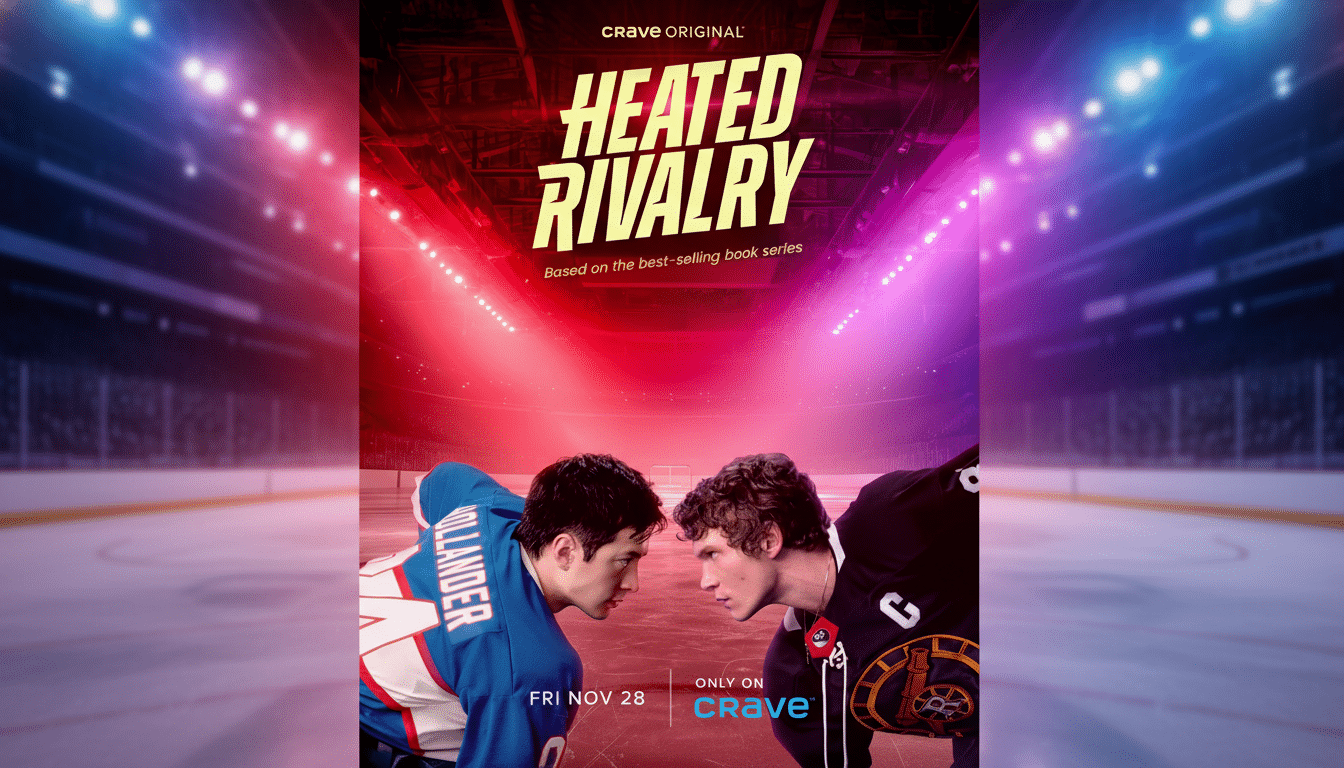
Heated Rivalry plays down the pipeline. It sows desire with chirp-like play and checks thrown on the ice, then cashes out with intimate scenes that keep intact their power dynamic without smoothing it down into a dulled nothingness. Viewers read the push-pull — one character cautious and yearning, the other firm and risky — as a credibly thrilling power exchange, and that clarity is rocket fuel for rewatchability.
Authenticity Drives Representation That Resonates
Meanwhile, GLAAD’s perpetual curating of television representation emphasizes that queer intimacy is frequently veered away from or cleaned up. Heated Rivalry threads the needle: It makes queer desire a linchpin of its plot and allows it to be awkward, funny and hot without resorting to euphemism. That makes it accessible to wider audiences, while giving queer viewers scenes that mirror lived experience.
Sex and relationship experts have also said that it is the coupling of high production values with clear character motivations that turns depiction into impact. At the moment when we understand why characters want one another — and what they have to lose — those images are no longer merely shocking or provocative; they’re story.
Sound, Silence, And the Small Details That Matter
Further than imagery, the series deploys sound design to deepen intimacy: a heavy thud as gear bags hit carpet, a keyboard’s svelte slide across its surface, silence punctuated by held breaths before kisses.
(Fear and thrill are one and the same.) Silence is used strategically here, allowing a beat of hesitation to be heard as both fear and thrill. These micro-choices indicate that the trust between show and audience to connect dots exists — and that respect is what makes the heat feel earned, not crafted.
The Bottom Line on Heated Rivalry’s Rising Heat
Heated Rivalry is trending because it’s graphic, but not just for show. They’re the result of clear stakes, thoughtful craft and leads with chemistry who can turn a classic TV trope into appointment television. In a TV era in which audiences can smell shortcuts immediately, this series demonstrates that when you build the fire not just in the writing but also the blocking, you don’t have to fake the smoke.
