


Bridgerton returns with a ballroom-ready twist that actually feels new. Season 4 embraces the Cinderella myth and spins it into a sparkling Benedict-and-Sophie romance that doubles as a sharp look at class, image, and desire. It’s lush, funny, and—at its best—breathless, powered by two leads who turn fairy-tale shorthand into something intensely human.
A Cinderella Frame With Fresh Stakes and Heart
Luke Thompson steps into the spotlight as Benedict Bridgerton, the art-world rake now pressed by family duty and a watchful Queen Charlotte to take marriage seriously. His “Prince Charming” isn’t a stiff ideal; he’s curious, impulsive, and often oblivious in that endearing Bridgerton way that makes you root for him despite yourself.
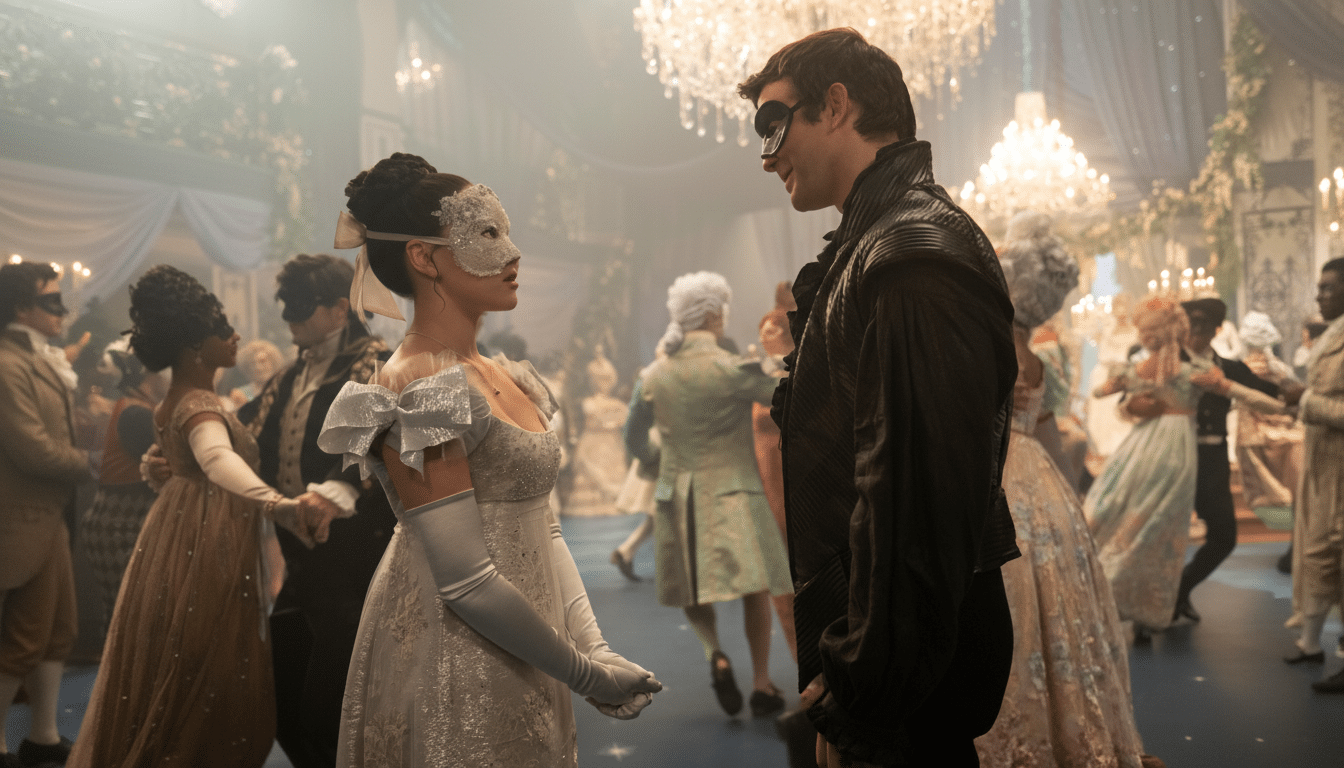
Enter Sophie Baek, played by Yerin Ha with flinty resolve and fragile hope. As a servant under the thumb of Lady Araminta Penwood and her daughters, Sophie’s life is all constraint—until a masquerade grants her one radical night. The waltz that follows is a masterclass in slow-burn choreography: glances that land like monologues, gloved fingertips that say what words won’t, and then the fairy-tale flight at midnight, a calling card of longing left behind.
Upstairs Glamour Meets Downstairs Grit and Hope
Season 4 opens a new door in the Bridgerton house: downstairs. The series has flirted with the mechanics of spectacle before, but here the servant perspective becomes a narrative engine. We see how teas get poured, pastries spun into centerpieces, dance cards brokered like currency. The choice reframes the ton’s gloss as labor—smart worldbuilding that grounds the Cinderella premise and makes Sophie’s risks feel perilously real.
That texture also complicates the central romance. Without masks, Sophie and Benedict collide with rules that aren’t made to bend for love—class, propriety, inheritance. The season cleverly turns a two-hander into a triangle between Benedict, Sophie, and Sophie’s own alter ego, the “Lady in Silver” he can’t forget. It’s an identity game that could strain credibility; Thompson’s airy charm and Ha’s guarded intelligence keep it just on the right side of swoon.
Chemistry That Outshines the Noise Around Them
Thompson plays Benedict as a man learning to see beyond the frame—less libertine, more listener. Ha gives Sophie the wary gait of someone who knows a misstep can cost everything. Together, they find a rhythm of playful banter and private ache that recalls the franchise’s strongest pairings. The writing smartly nods to Benedict’s earlier arcs—his artistic ambitions and past explorations—without flattening them, letting his empathy deepen rather than disappear.
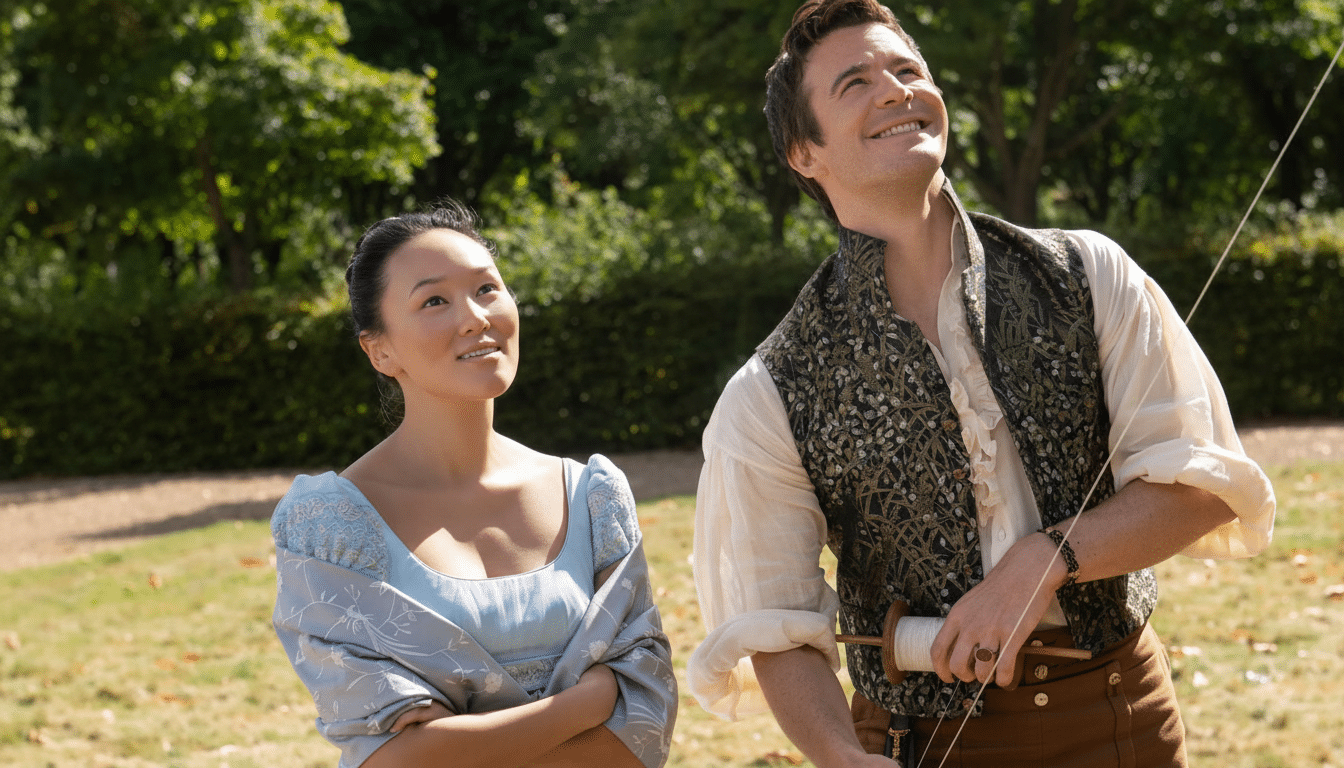
But the season still can’t resist a stuffed dance card. Violet Bridgerton’s tender courtship has real warmth; Lady Araminta’s menace is deliciously barbed; rifts among the grandes dames provide court intrigue. Yet the cumulative effect sometimes diffuses the spark. Bridgerton has always prided itself on a populated world, but the edit occasionally hustles us away from the main event just as it begins to glow.
Gowns, Needle Drops, And A Machine That Still Works
The craft remains elite. The masquerade is staged like a page from an illuminated manuscript—silvered masks, mirrored corridors, a camera that moves as if it knows the choreography. The string-pop covers land with the franchise’s signature wink; after the show’s debut seasons, orchestral renditions of contemporary hits surged across streaming platforms, and Season 4 continues that symphonic branding with confidence.
The franchise context matters here. Bridgerton sits among Netflix’s most-watched English-language series since the Top 10 charts launched, with its first two seasons entrenched in the all-time lists. That scale creates pressure to go bigger, add subplots, widen the lens. Season 4 proves the inverse is truer: the smaller, more intimate scenes—an illicit lesson, a moonlit confession—are what people remember and rewatch.
Verdict: The Glass Slipper Fits This Grand Romance
Bridgerton Season 4 is a glittering Cinderella story that risks excess but wins on feeling. When it trusts Benedict and Sophie to carry the ball, the series is as transporting as ever—romance as revelation, fantasy as critique. A few narrative glass shards threaten bare feet, yet the central love story is strong enough to dance right through them. Part 1 leaves the heart racing; if the back half keeps the focus tight, this could be the show’s most purely enchanting season since its debut.
