


Brazilian court rules in favor of labels and against owner of largest stream‑ripping site. A Brazilian criminal court has found the owner of a popular stream‑ripping service guilty and sentenced him to 3 months in jail for violating its intellectual property laws — a ruling that once again demonstrates the willingness of national courts to claim jurisdiction over cross‑border tech services when they are being used by locals.
The ruling is aimed at John Nader, the United States–based operator of Yout.com, a website that enables users to save copies of videos available online, such as those on YouTube. The court ruling imposes a heavy fine on the offender and even raises the prospect of imprisonment, as local internet providers have already begun blocking access to the platform.

Court Says App Sidesteps Platform Protections
At the heart of the service, which calls itself CombatePlay, was a feature that judges said violated technological protections streaming platforms have put in place to regulate access and copying of their content, according to filings from the 12th Criminal Court of São Paulo, where it faced trial. Brazilian media‑law experts say this means the behavior is squarely in scope for Brazil’s copyright law, providing for penalties for “tools” intended to break access controls.
Though the language of the judgment does not specify a specific figure, estimates based on the formula applied by the court amount to around $55,000. Prosecutors in São Paulo had been building the case for years and offered a suspended prosecution agreement that would have obliged a larger payment — reported as about $400,000 — and other conditions. Nader rejected the offer and the case went to a verdict.
Yout has argued that its tool is legitimate and that personal copying should be on the same footing as time‑shifting; it has invoked the precedent of Sony “Betamax” at the U.S. Supreme Court. The Brazilian court disagreed and said the service’s design and marketing had not mainly facilitated only limited recording, but massive unauthorized reproduction.
Jurisdiction Reaches Across Borders in This Case
Jurisdiction is an extremely important element in the case. Even though Nader, an American citizen, runs the service from the United States, Brazilian law applies because the site was aimed at or reached Brazilian users and impinged upon rights in Brazil. That position dovetails with the country’s internet framework law, which permits Brazilian courts to impose measures on services available in Brazil when rights based there are at stake.
Local internet providers have now been ordered to block the domain, effectively powering down the service inside the country. Similar blocking measures have also been brought against stream‑ripping sites in Europe, where courts in the U.K. and Germany have supported requests from recording industry groups for injunctions limiting access to such tools.
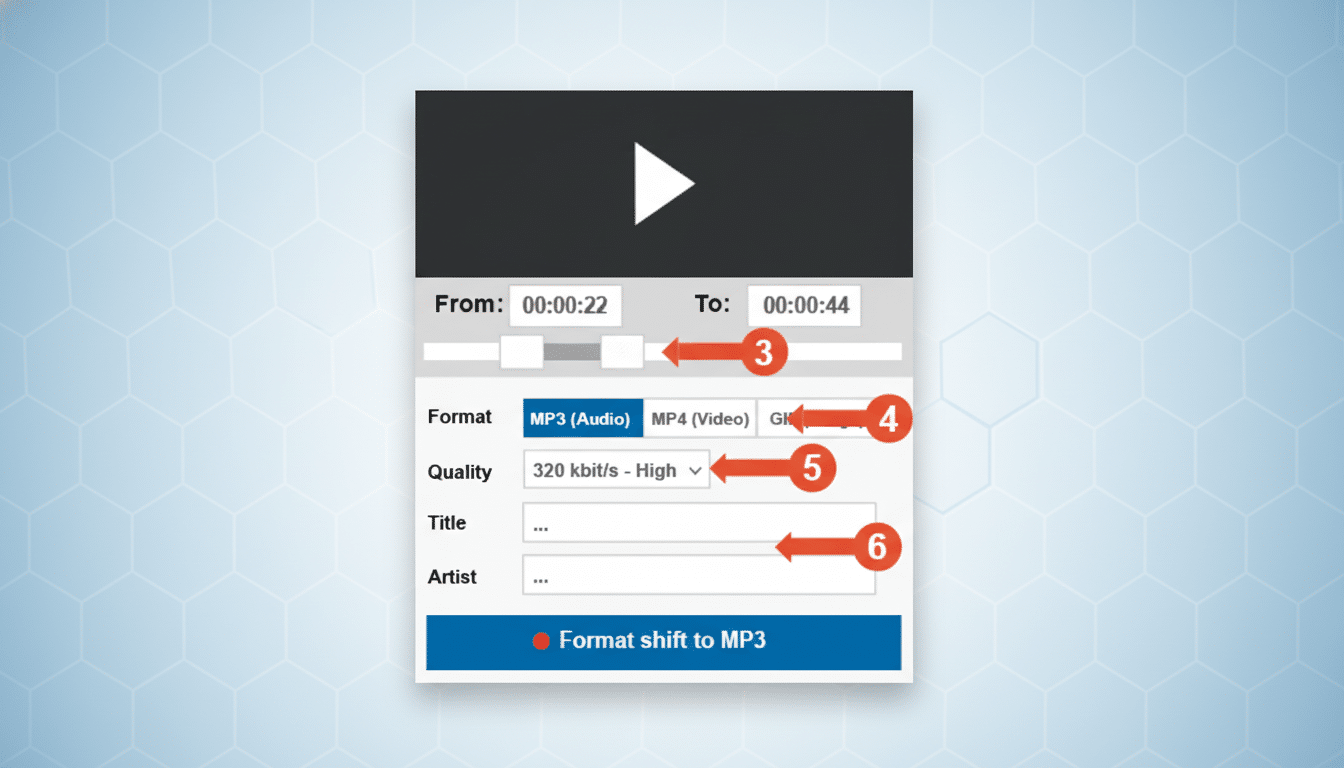
Stream‑Ripping in the Crosshairs of Escalating Legal Pressure
The conviction comes as part of a wider legal assault on stream‑ripping. Trade associations have long contended that bypassing technological protections on streaming services violates anti‑circumvention rules, regardless of how the individual user justifies their personal use. A survey referenced by global music bodies notes that stream‑ripping has continually featured as one of the most popular forms of piracy (with some market surveys showing more than 30% usage rates), with some reports finding in excess of 30% claiming to have used these services.
In the United States, Yout has already taken on the Recording Industry Association of America in relation to whether YouTube’s core process is a technological protection measure. So far, rightsholders seem to have enjoyed an advantage in early rulings by federal courts that automated processes gating the direct copying of content may qualify for anti‑circumvention protection.
Digital rights advocates, including the Electronic Frontier Foundation, have defended the right of people to use tools for legal purposes, noting that broad readings of anti‑circumvention law may discourage legitimate activity — serving as barriers to archiving, education and accessibility (including for people with disabilities) or news reporting. The Electronic Frontier Foundation has pointed to previous brouhahas over developer tools such as youtube‑dl, saying that code that powers downloads is not automatically illegal without application in an infringing fashion. Courts, however, are increasingly fixated on the dominant intention and real‑world effect of services in consideration of liability.
What This Means for Platforms and Everyday Users
For platforms, it’s another confirmation of the legal utility of technical measures such as ciphering, segmented streams, and authenticated delivery as part of a copyright protection plan. For those who run download utilities, it’s another cautionary tale that courts are willing to treat mass copying as a criminal offense and not just an issue of civil litigation. And for users, the decision is a prompt that you’re often not supposed to actually save someone’s stream unless a platform offers some kind of official download capability — as per the terms of service and the law in the jurisdiction.
Nader is expected to appeal. For now, Brazil’s blocking orders remain in effect and the conviction adds to an expanding list of international rulings that progressively limit the legal landscape for stream‑ripping services. Whether future cases carve out more spacious room for non‑infringing, user‑centric uses — or instead make good on the current trend in law to rein in such uses — will determine how we all are able to access, save, and reuse online media.
