


The latest MW75 Neuro LT headphones from Neurable offer something that even the most sophisticated productivity apps can’t: an early alert when your brain is pushing itself to the breaking point.
With electroencephalogram sensors embedded in a high‑end over‑ear form factor, these headphones track cognitive load as it happens, gently reminding you to pause before fatigue hijacks your focus.
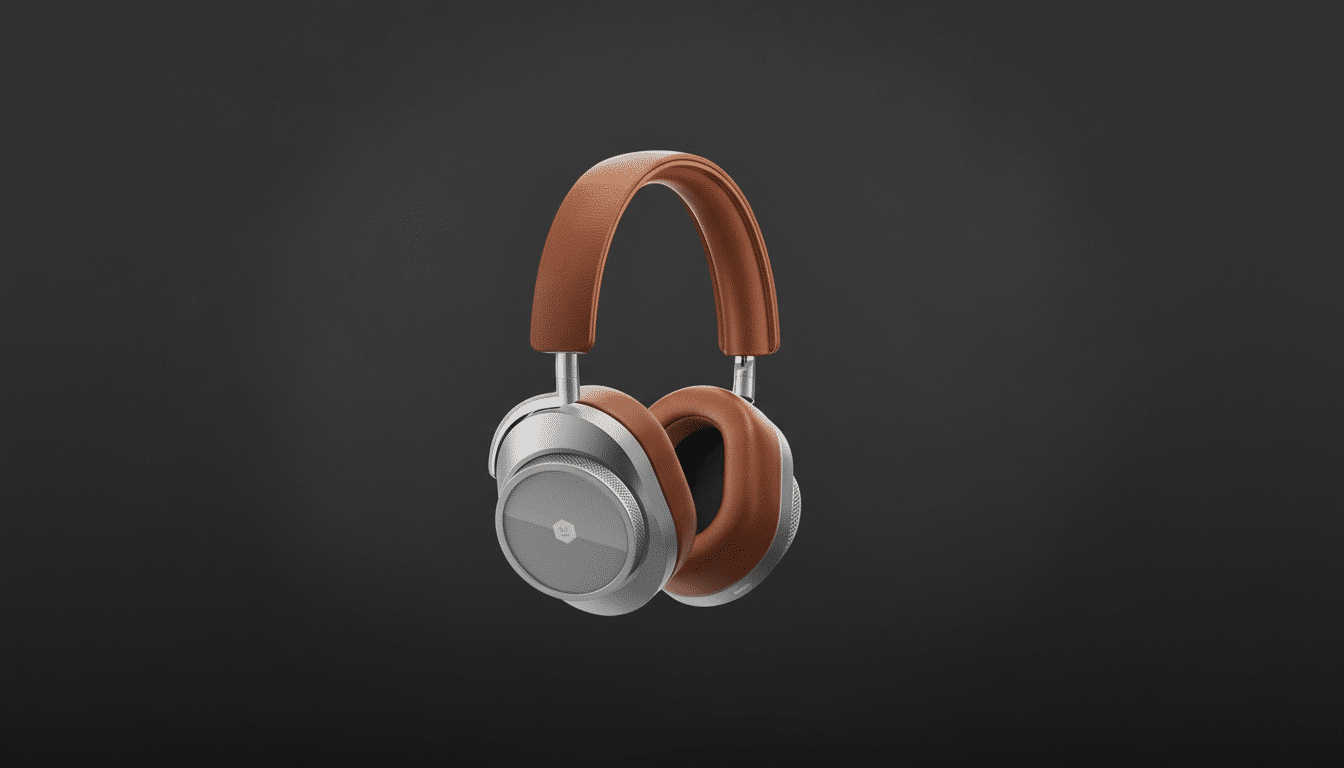
Unlike mainstream body sensors, which tally steps or monitor heart rate, this system peers directly into neural activity. The result is an array of brain-based insights that apply to knowledge workers, gamers, students, and anyone else who reels from long stretches of deep concentration.
How The Headphones Know What Your Brain Wants
Neurable places 12 EEG channels in the ear pads of Master & Dynamic’s MW75 platform, transforming passive listening time into applied neural data. The sensors detect patterns in different frequency bands that are often related to attention, mental effort, and recovery. Those signals are translated on the fly by a brain‑computer interface in the companion app.
In practical terms, that means the headphones can sense when your cognitive load is increasing (i.e., sustained problem‑solving), when your brain is returning to a calmer state, and when you’re starting to slip into distraction. That system gets better as it is calibrated, so the app learns your baseline instead of deploying generic thresholds.
New Brain Measures That Actually Work In Practice
- Cognitive Snapshot provides an on-the-spot assessment of readiness at the start of the day in just two minutes. It’s a bit like a morning readiness score, though one built from brain signals rather than sleep or heart metrics.
- Cognitive Strain Detection operates quietly in the background, spotlighting periods when mental effort is spiking unsustainably. If you’re grinding your way through code, an analysis, or creative work, the app can recommend a brief break before your accuracy/speed deteriorates.
- Brain Age Tracking: Your brain health profile is compared to a norm based on a week of data. “It’s not a medical diagnosis, but it can show whether your daily behaviors are moving you in the direction of more or less cognitive health,” she says.
- Your Anxiety Resilience score measures how quickly your brain returns to baseline after the stressors are removed. The idea over time is to create shorter recovery arcs and less reactivity when you face challenging tasks, back‑to‑back meetings.
Why Burnout Detection Matters For Work And Well-Being
Burnout is described by the World Health Organization as an occupational phenomenon defined by three dimensions, which are feelings of exhaustion, cynicism, and reduced professional efficacy. The American Psychological Association’s work and well‑being surveys consistently find that a majority of employees are experiencing stress on the job, resulting in negative effects on sleep, mood, and productivity.
In a laboratory, EEG signatures of mental fatigue — including changes to frontal theta and diminishing alpha power — correlate with slower responses and more errors. Peer‑reviewed studies published in journals such as IEEE Transactions on Neural Systems and Rehabilitation Engineering describe machine‑learning models that are able to classify fatigue states using EEG with high accuracy, highlighting the potential of real‑time detection outside a clinic.
Even small interventions help. Microsoft’s own research through its human factors teams have found that short breaks between meetings lower stress signals and improve performance. A system that times those breaks to the moment when your cognitive best serves you, as opposed to a calendar day’s necessity for some emotional or psychological downtime, might be more effective and less jarring.
What It’s Like To Use In The Real World Every Day
The first‑generation version depended on focused sessions to gather data. The Neuro LT extends that to passive monitoring: wear them all day as your headphones, and the app passively records cognitive patterns in the background, surfacing insights only when they’re meaningful.
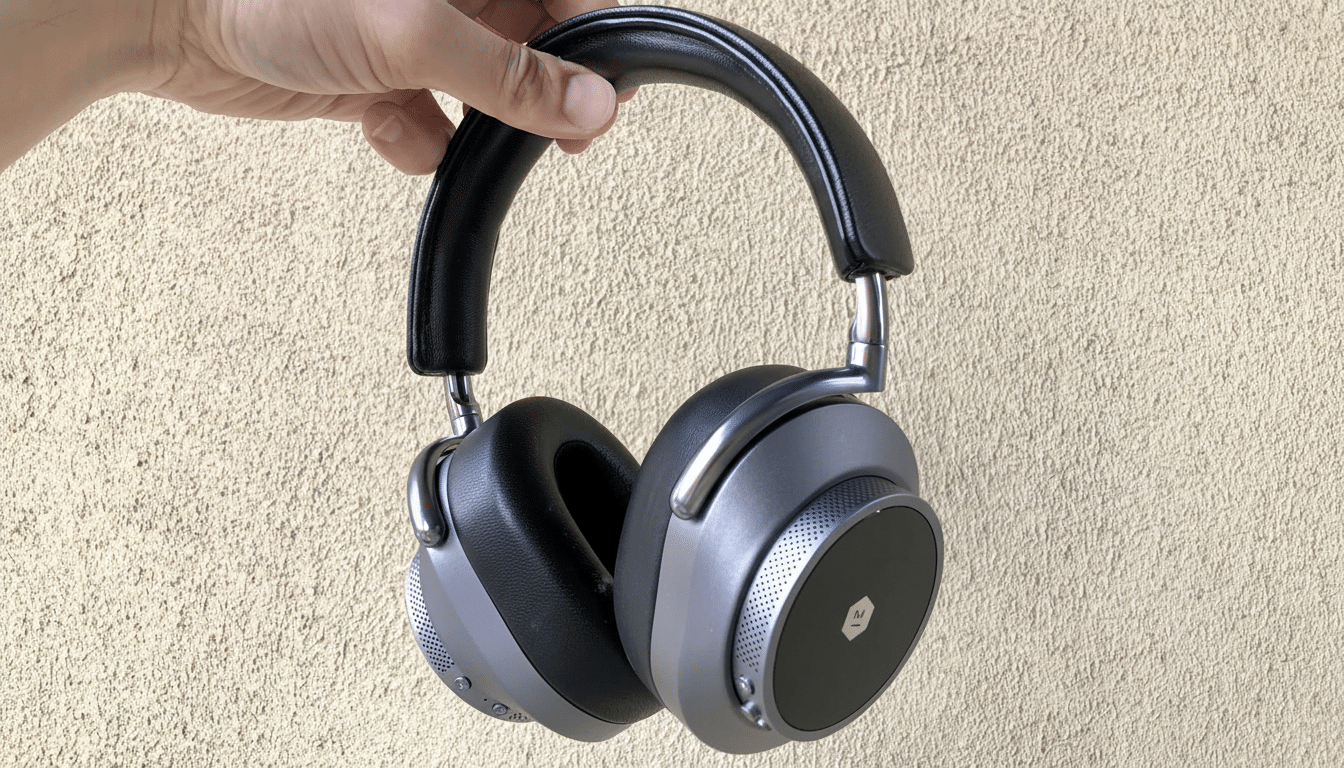
Hardware remains premium. The Master & Dynamic casing adds six microphones for ambient noise canceling, 40 mm beryllium drivers, seven listening modes, and compatibility with the aptX Adaptive codec. In practice, this means that you could shift from deep work mode, to a commute, to a call without losing sound or signal quality while the EEG continuously samples in the background.
When strain spikes, the app can recommend a microbreak or a shift to an easier task. And over a week, you’ll notice trends: time‑of‑day windows when you hit flow more easily, workloads that consistently wear you out, and little habits — like short walks or breathwork — that help recovery come along sooner.
Accuracy And Privacy Caveats For Consumer EEG
Let’s get real: consumer EEG is still just EEG; it’s sensitive to movement, fit, and hair. The ideal results derive from consistent positioning, short calibrations, and reasonable expectations. It is a wellness tool, not a diagnostic tool, and it should complement — not replace — clinician guidance.
Of all forms of personal data, brain information is undoubtedly among the most sensitive. Potential buyers should scrutinize data policies, including where raw signals travel to be processed, how long records are maintained, and whether any information gets shared or used to train models. Optimal defaults and clear deletion controls for neurodata are endorsed by neuroethics groups and privacy advocates.
How It Stacks Up In A Crowded Market Today
The establishment audio brands focus on heart, hearing, or, you know, movement stats. Neurable’s system shifts the battlefield to the realm of thought. Other options, like Muse headbands or Emotiv’s earbuds, measure brain activity as well, but few systems combine over‑ear noise canceling with full‑time EEG monitoring.
The MW75 Neuro LT comes in Black and Olive, with a price of $499 — pricier than the earlier generation by $200. If you crave excellent ANC and sound, without losing cognitive insights while listening, that price may make the proposition easier to justify than a dedicated headband you’ll wear only at home.
Bottom line: If you’ve ever hoped for your headphones to give you a shoulder tap before your brain slammed into a wall, this might be one of the first truly practical efforts at it. The tech isn’t magic, but when neuroscience is combined with thoughtful design, better timing — not more time — can be the productivity enhancer that counts.
