


Bose is winding down software support for its long-running SoundTouch lineup, but there’s a silver lining for owners. The company has opened the SoundTouch API to the public, effectively handing developers a toolkit to keep these Wi‑Fi speakers useful well beyond their official end of life. It’s a rare move in consumer audio, and it could turn a looming shutdown into a second act.
What Bose Is Ending And What Still Works
Once the support window closes, SoundTouch devices won’t receive new features, bug fixes, or security updates. Cloud-dependent functions may degrade over time. In practice, the speakers keep playing audio through local paths — think Bluetooth, line-in, or optical/HDMI on soundbar models — and popular casting protocols like AirPlay and Spotify Connect are expected to keep working because they’re managed by the streaming services and host devices rather than Bose servers.
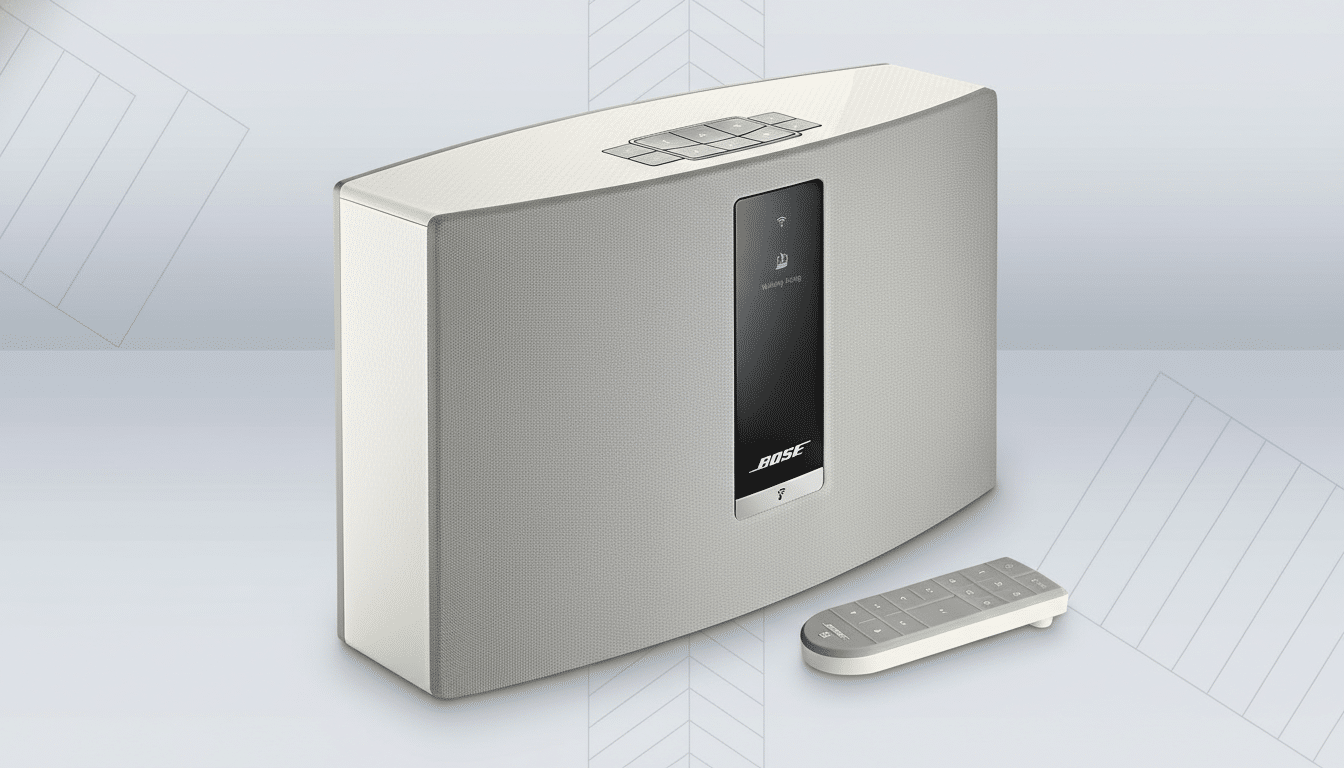
Bose says a pared-back version of the SoundTouch app will remain available for core controls. It won’t unlock new features, but it should cover basic management so owners can still pair devices, switch sources, and operate everyday functions without digging into advanced settings.
The Open-Source Lifeline for Bose SoundTouch Owners
By open-sourcing the SoundTouch API, Bose gives independent developers a way to build new tools, revive integrations, and potentially add quality-of-life upgrades the official app will no longer pursue. Expect hobbyist dashboards, lightweight controller apps, and home-automation hooks to emerge, especially from communities that already maintain connectors for legacy gear.
There’s precedent for this working. Logitech’s retired Squeezebox line remains usable thanks to community servers and controllers, and Home Assistant contributors routinely keep older speakers integrated with modern smart homes. The SoundTouch API unlocks similar possibilities — from custom presets and multi-room orchestration to scripts that bridge SoundTouch with platforms like Apple Shortcuts or open-source media servers.
Important caveat: community projects are unofficial. Bose isn’t providing new cloud services, guarantees, or security patches. Owners should treat third-party tools as optional add-ons, and be mindful of network security for devices that won’t see further firmware hardening.
Practical Options For Bose SoundTouch Owners Right Now
If you’re happy with local playback, pair via Bluetooth or use line-in. Many SoundTouch speakers have a dedicated Bluetooth button; others enter pairing from the app. For soundbar models, TV connections over optical or HDMI ARC continue to function as usual.
If you want modern streaming features, a compact network streamer or streaming amplifier can refresh an existing SoundTouch speaker. Products such as the WiiM Amp or similar network streamers add high‑resolution codecs, casting options, and multi‑room control while treating the Bose unit as a passive endpoint. It’s a low-cost way to leapfrog software limits without replacing hardware.
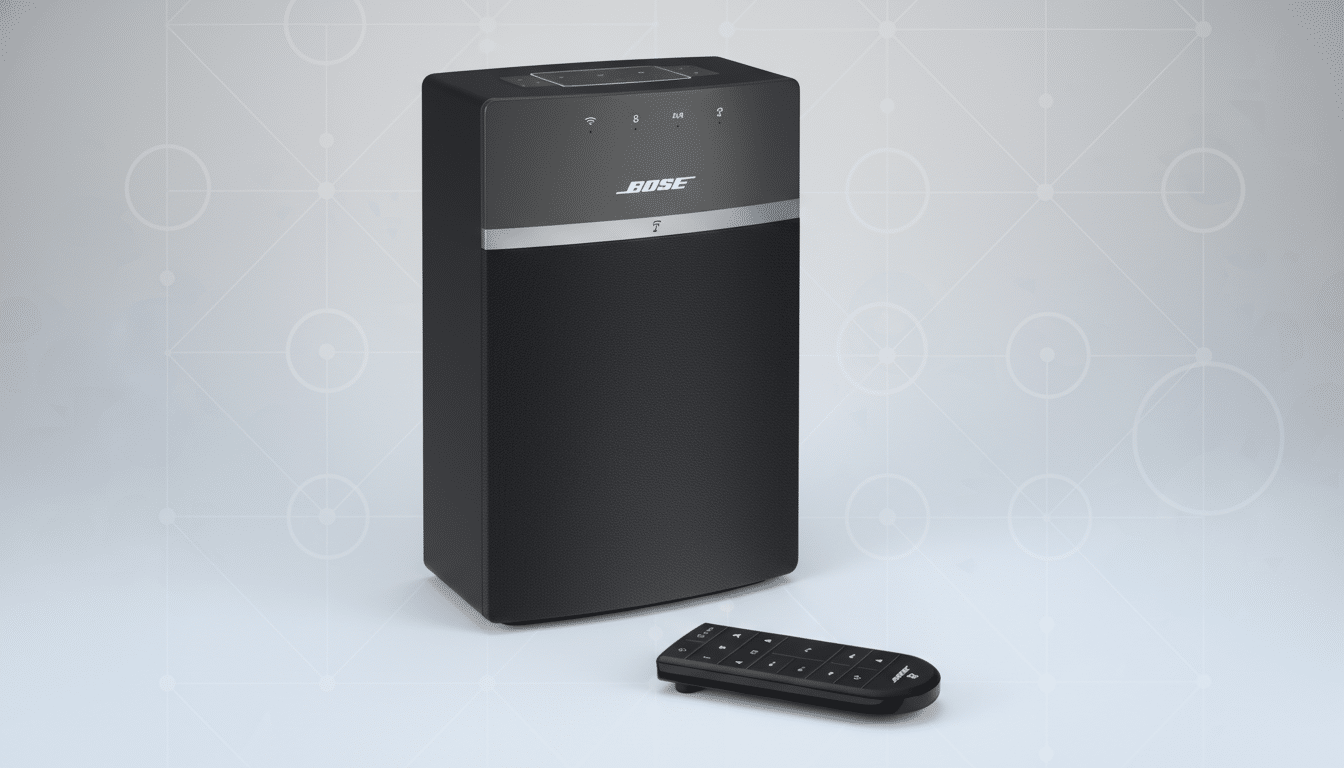
Hold onto the physical remote if your model has one. If the legacy app ever disappears from app stores or loses compatibility with newer phones, a remote remains a reliable fallback for volume, inputs, and presets.
Why Bose’s Open SoundTouch API Move Truly Matters
End-of-support policies are now standard across consumer tech, but speakers are durable goods; they often outlast the software that powers them. The open API strategy aligns with growing calls for repairability and longevity. The UN’s Global E‑waste Monitor estimates roughly 62 million metric tons of electronic waste were generated recently, with only about 22% formally recycled. Keeping perfectly functional audio hardware in service is a pragmatic way to reduce that footprint.
The SoundTouch case also reflects shifting consumer expectations. Audio buyers have watched high-profile ecosystem changes — from smart speaker deprecations to controversial trade‑in policies — and they increasingly reward brands that communicate clear life cycles and provide paths to continued use. Opening the API doesn’t solve everything, but it signals respect for long‑term customers who bought into SoundTouch at prices ranging from the mid‑hundreds to premium tiers.
What To Watch Next As SoundTouch Support Winds Down
Keep an eye on developer forums and open-source hubs for early SoundTouch controller prototypes and automation integrations. Look for projects from established smart home communities, which tend to ship fast and maintain code over multiple platform updates.
In the meantime, sensible hygiene applies: if you only use analog or Bluetooth, consider keeping the speaker off your main Wi‑Fi. If you rely on network features, minimize permissions and avoid exposing the device outside your home network. These are standard best practices for any unpatched connected device.
The bottom line is encouraging. Support is ending, but the hardware isn’t. With an open API, SoundTouch enters a community‑powered phase that could stretch its useful life for years — and offer a blueprint for how audio brands can sunset products without abandoning the listeners who bought them.
