


I went into my meeting with Bluetooth representatives expecting a roadmap presentation. I walked out rethinking how Bluetooth actually reaches our devices. The headline lesson was blunt: a Bluetooth version number is not a promise. It’s a toolbox, and what matters is which tools manufacturers choose to use.
Version Numbers Are Not Feature Guarantees
Bluetooth’s governing body, the Bluetooth Special Interest Group (SIG), continues to add powerful capabilities. Recent 6.x updates include Shorter Connection Intervals for ultra-low latency peripherals and Channel Sounding Resilience aimed at tougher security in proximity and keyless applications. But none of these arrive “by default.”
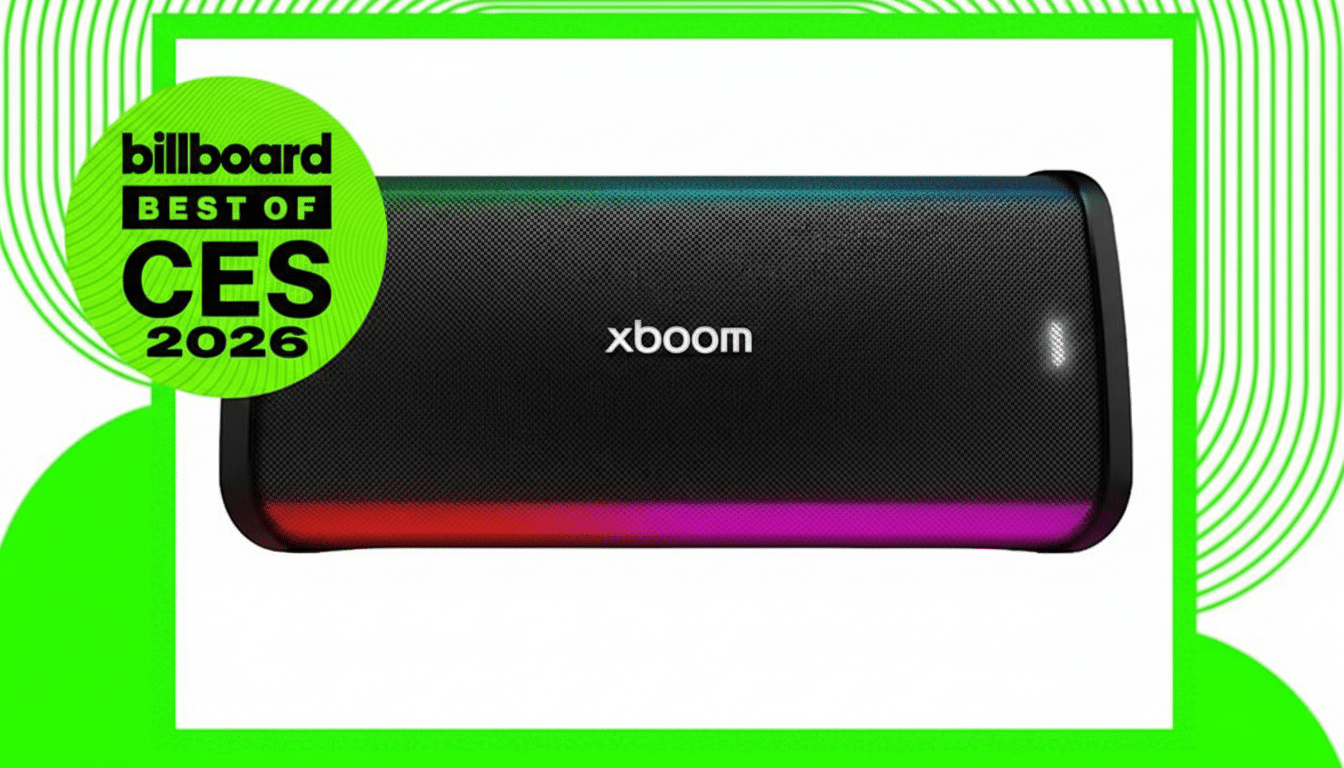
Implementing features is a manufacturer decision, even when a product claims the latest Bluetooth version. That’s why a gaming mouse can still feel laggy, a smartwatch can miss data bursts, or a pair of earbuds can skip headline features. The Bluetooth SIG writes the spec; device makers pick which parts to ship, balancing cost, battery life, chip capabilities, and UX.
The takeaway for buyers: stop spec-chasing. Look for explicit mentions of LE Audio with the LC3 codec, Auracast broadcast support, and Channel Sounding for ranging and security. If those aren’t listed, assume they’re not there.
Channel Sounding Moves From Concept To Reality
Channel Sounding, introduced in the 6.0 era, enables devices to estimate distance using radio measurements, helping defeat common relay attacks and enabling quicker, more reliable discovery. In theory, it democratizes “Find My” style experiences across brands. In practice, it’s rolling out first where the value is clearest: trackers and smart locks.
On the show floor, Motorola’s Moto Tag 2 showcased how Channel Sounding can work alongside Ultra-Wideband. The tag uses Bluetooth for faster discovery and secure handshakes and lets UWB deliver precise positioning. It’s a layered approach that strengthens both convenience and trust.
In access control, Bauer’s NE-CS smart RV lock integrated Channel Sounding to improve distance awareness and blunt interference. The demo showed a Pixel 10 unlocking via Bluetooth ranging, highlighting how proximity can be validated more robustly than simple signal strength. Security researchers have long flagged relay vulnerabilities in proximity systems; smarter ranging narrows that attack surface.
Auracast Starts To Scale Across Devices and Venues
If Channel Sounding is the sleeper hit, Auracast is the crowd-pleaser. Auracast lets one transmitter broadcast audio to unlimited receivers—headphones, earbuds, speakers, hearing aids—without brand lock-in. Think TV audio in a sports bar sent to patrons’ earbuds, silent fitness classes, or gate announcements in airports piped privately to hearing devices.
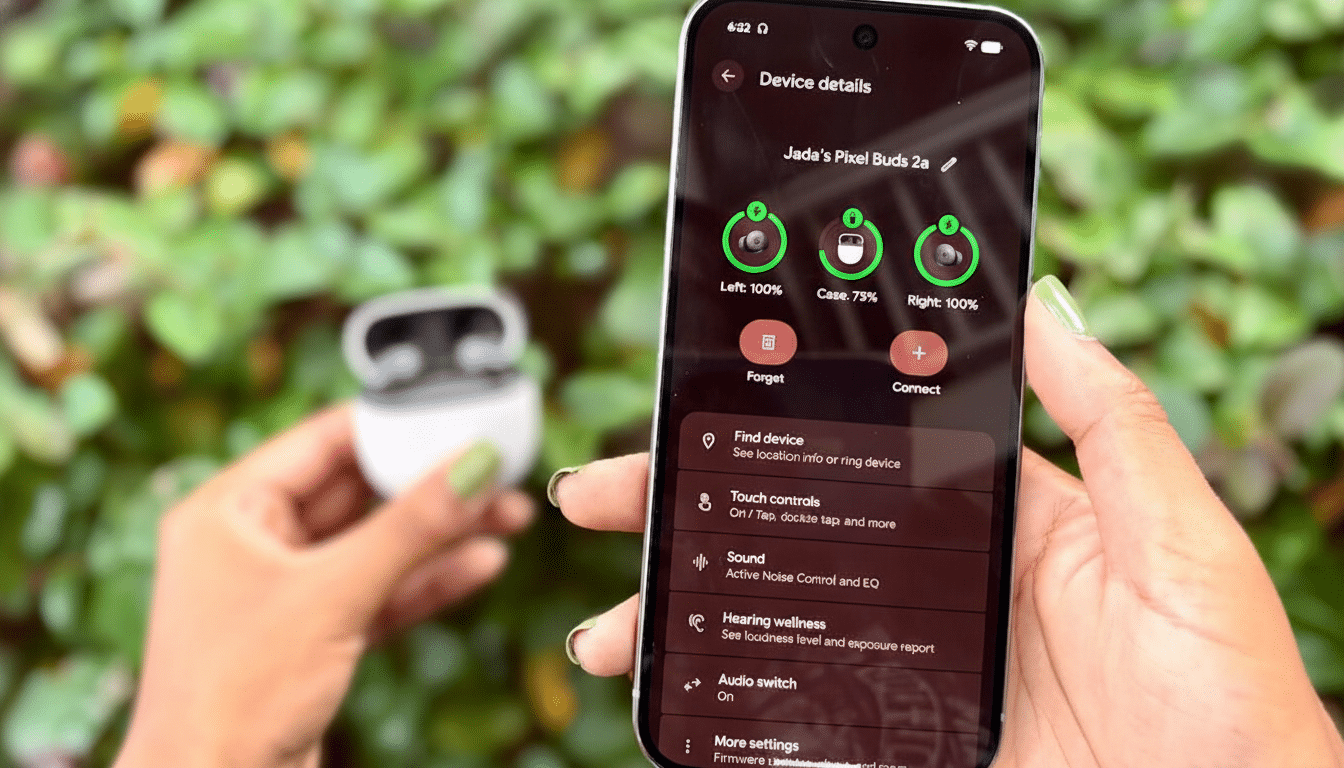
Crucially, many recent earbuds and headphones already ship with the hardware needed to support Auracast via software updates. Android has leaned in with devices that can act as transmitters or assistants bridging between sources and listeners. With billions of Bluetooth devices shipping annually according to the Bluetooth SIG’s Market Update, the installed base is primed for rapid network effects.
LE Audio’s LC3 codec underpins this shift. The SIG reports LC3 can deliver similar or better quality at up to 50% lower bitrate than legacy SBC, reducing power draw while improving robustness in congested environments. That performance headroom is what makes mass-scale broadcasts and long-wearing hearing devices feasible.
What Buyers Should Demand From Bluetooth Devices
Ask for specifics, not versions. For audio, look for LE Audio, LC3, and Auracast. For trackers and locks, look for Channel Sounding, anti-relay protections, and—where possible—UWB augmentation. Check for stated firmware update policies, since many features arrive post-launch. Pay attention to chipsets as a proxy: current-generation platforms from major silicon vendors are more likely to support these features well.
Enterprises should also consider manageability. Auracast in venues requires planning for signage, assisted-listening compliance, and RF hygiene. For access control, insist on documented threat models and third-party evaluations. Standards set the baseline; implementation determines the outcome.
Why My Perspective Changed On Bluetooth’s Future
I’ve often treated Bluetooth as a monolith—either “good” or “frustrating.” The SIG team reframed it as a modular platform shaped by product choices: antenna design, power budgets, firmware priorities, and feature gating. The spec isn’t a destination; it’s a menu.
That lens explains the dissonance we all feel. The standard keeps racing ahead while devices trickle features out on their own timelines. The winners won’t be the first to print a version number on a box; they’ll be the companies that implement the right features, in the right combinations, with polish. If CES made anything clear, it’s that Bluetooth’s future is already here—it just shows up when manufacturers decide to turn it on.
