


Three household hardware names — iRobot, Luminar and Rad Power Bikes — declared bankruptcy within days of each other, a cascade of collapses that highlights how punishing today’s market has been for fabricators of devices. Tariffs, botched strategic deals, whiplash in the supply chain, and an overreliance on single hero products all converged into a perfect storm, according to court documents and company statements.
What Tipped the Dominoes for These Hardware Firms
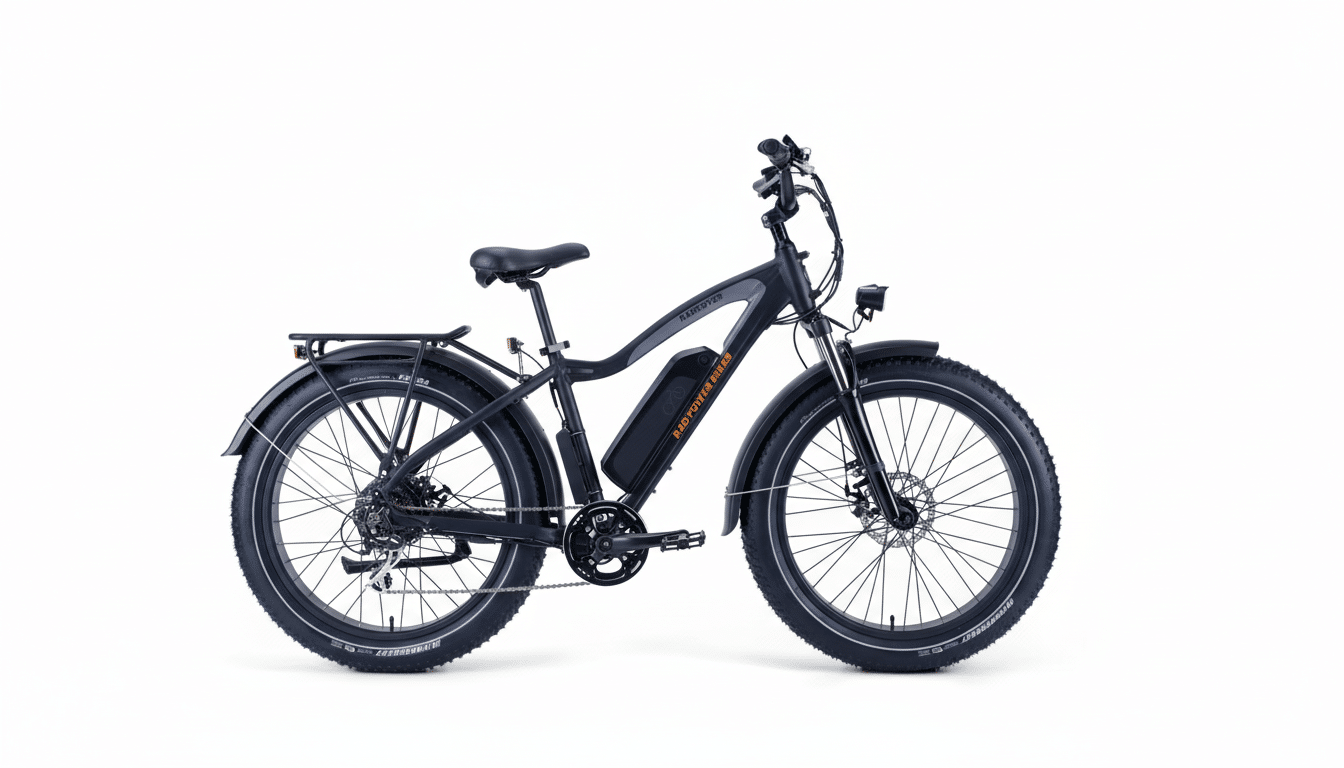
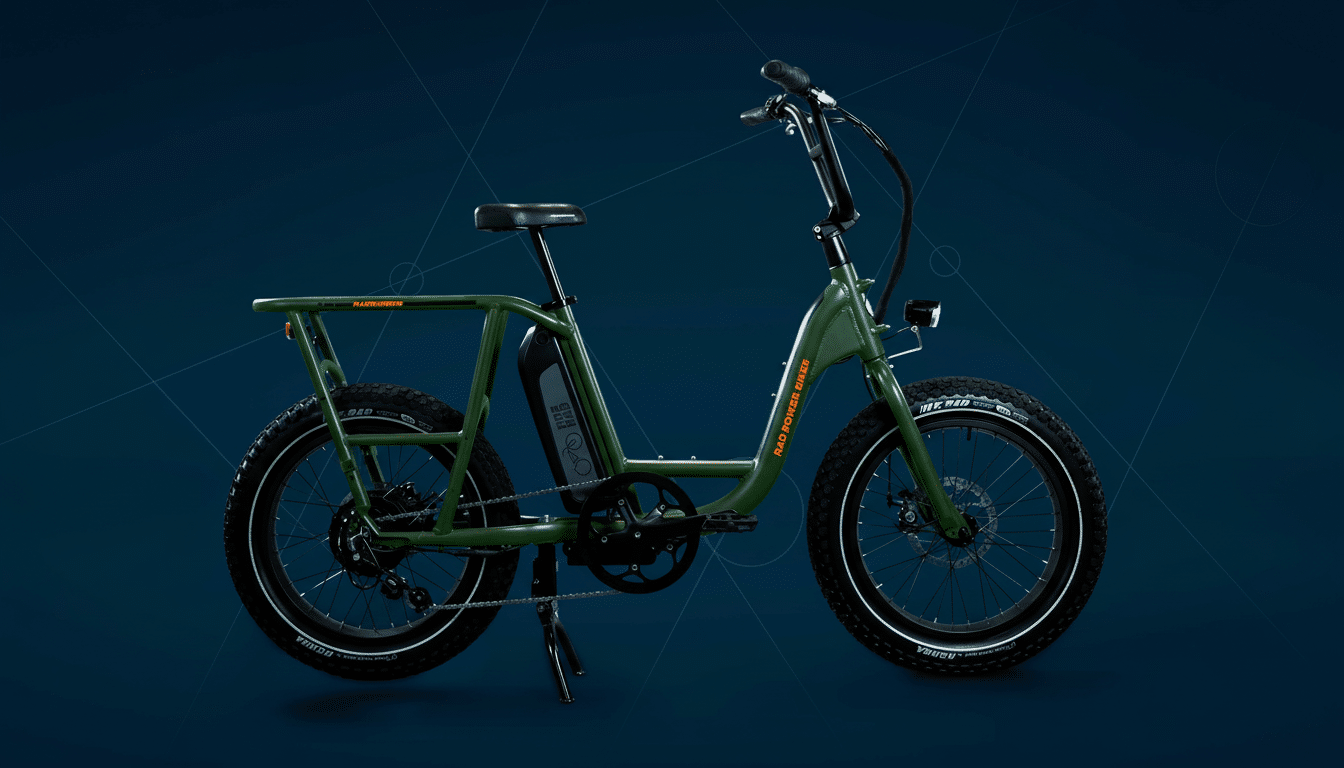
Before the reversal, Rad Power Bikes had capitalized on a boom in pandemic micromobility. Bankruptcy filings indicate revenue approaching $123 million two years ago, with a glide path toward about $100 million the next year and just past $63 million so far this year at the time of filing. And the company confronted the expensive overhang of battery-related safety actions in cooperation with the Consumer Product Safety Commission that siphoned cash at just the moment demand normalized.
Luminar, the hopeful lidar company that once bragged about flagship programs with Volvo and Mercedes-Benz, was far too concentrated in a small number of pre-production automotive deals. Unit volumes continued to slide further to the right as carmakers pushed out level 4 and beyond features and the company maintained a capital-heavy roadmap. (SEC filings in the last few years warned of heavy cash burn to scale manufacturing and meet automotive-grade quality, a brutal mismatch as capital constricted.)
iRobot, an early leader in consumer robotics, became almost synonymous with robot vacuums — and exposed itself to that single identity. Roborock and Ecovacs competition drove compressed pricing and promotion cycles through scaling challengers that leveraged Chinese manufacturing at unprecedented scale. Thwarted in its attempt to exit to Amazon, after signs of opposition from the European Commission and scrutiny by the Federal Trade Commission, it lost a lifeline that would have allowed it to help manage a lower-margin promotional market on its own.
Tariffs and Supply Chains Bite Into Hardware Margins
Tariff regimes lifted the floor on cost of goods. And with Schoeller Allibert’s China-origin components and complete e-bikes subject to Section 301 duties, in addition to consumer electronics, effective import costs rose when those temporary exclusions expired (as the Office of the U.S. Trade Representative attests). Those penalties came down hardest on companies too small to move assembly entirely to Southeast Asia — or onshore at scale.
The supply chain reset post-pandemic never really went back to what it was; to the old certainties. Freight and component pricing settled back from their extremes, though suppliers were still demanding stronger commitments, minimum order quantities increased, and lead times remained erratic. For hardware companies, a lost season leads to inventory write-downs later on. Returns and warranty costs pile on top, pressuring gross margins that already lag software by 40–60 points in many cases.
The Single-Product Trap That Exposed Their Weaknesses
Each of the three companies had a tough time following up on their initial success. iRobot experimented with air purifiers and mops, but it remained beholden to Roomba. Luminar had its head down on one type of lidar architecture while imaging radar, camera-led ADAS, and now cheaper lidar players were popping up all over the market. Rad Power expanded its product line, but revenue remained focused on a small number of direct-to-consumer models, leaving it exposed when acquisition costs increased and the rate of repeat purchases lagged.
Hardware durability is more and more going to need a services layer that accrues as every unit is sold. (Imagination Technologies is also an example of how extended warranties, consumables, and software updates can stabilize revenue for firms; so are Apple, Sonos, even Dyson.) By comparison, many mid-market device manufacturers depend on launch and holiday spikes in sales. When promotions teach consumers to hold out for 30%–40% off discounts, price elasticity diminishes brand equity and long-term cash flow.
Money Dried Up and Deals Fell Through, Raising Risks
Higher interest rates pushed up the cost of inventory financing and venture debt, while the post-SPAC comedown shut a once-easy exit door for frontier hardware. Data from PitchBook over the past few cycles indicates that late-stage financings for hard-tech have thinned, with investors clamoring instead for clear unit economics and near-term cash generation. That made the impact of any one setback more pronounced, from an OEM milestone that came late to a blocked merger.
The lesson of iRobot’s bungled sale isn’t just about antitrust. When a company bets its future on a big, strategic deal, everything else slows — hiring, product bets, and channel expansion. If the deal falls through, competitors have already moved on. European and U.S. regulators are indicating they will take a narrower view of vertical acquisitions in consumer tech, which means founders need plan B and C funding much sooner.
The Implications for the Hardware Landscape
Bankruptcy doesn’t have to be the end of the road. Clauses are likely. Look for asset sales, brand licensing, and carve-outs. Private equity firms can roll up distribution and service organizations, while strategic (industry) buyers cherry-pick IP and engineering talent. Any cross-border bids for robotics or sensing assets will probably raise eyebrows at the Committee on Foreign Investment in the U.S., particularly when data capture is part of the package.
For founders, the playbook also is becoming clearer.
- Begin to diversify your suppliers early across a minimum of two countries.
- Design for the flexibility of tariffs by using a modular form.
- Create recurring revenue — subscriptions, consumables, extended service, etc. — accounting for at least 15%–25% of total sales within a couple product cycles.
- Diversify away from over-concentration by customer or program; no one partner should represent more than 30% of bookings.
- Imagine if the financing takes longer, costs more, and requires observable gross margin improvement each quarter.
This week’s filings are a wake-up call. Hardware still wins when it is great, but in this market it needs equally great balance sheets, regulatory foresight, and a road map that doesn’t live or die on one product or one deal.
