


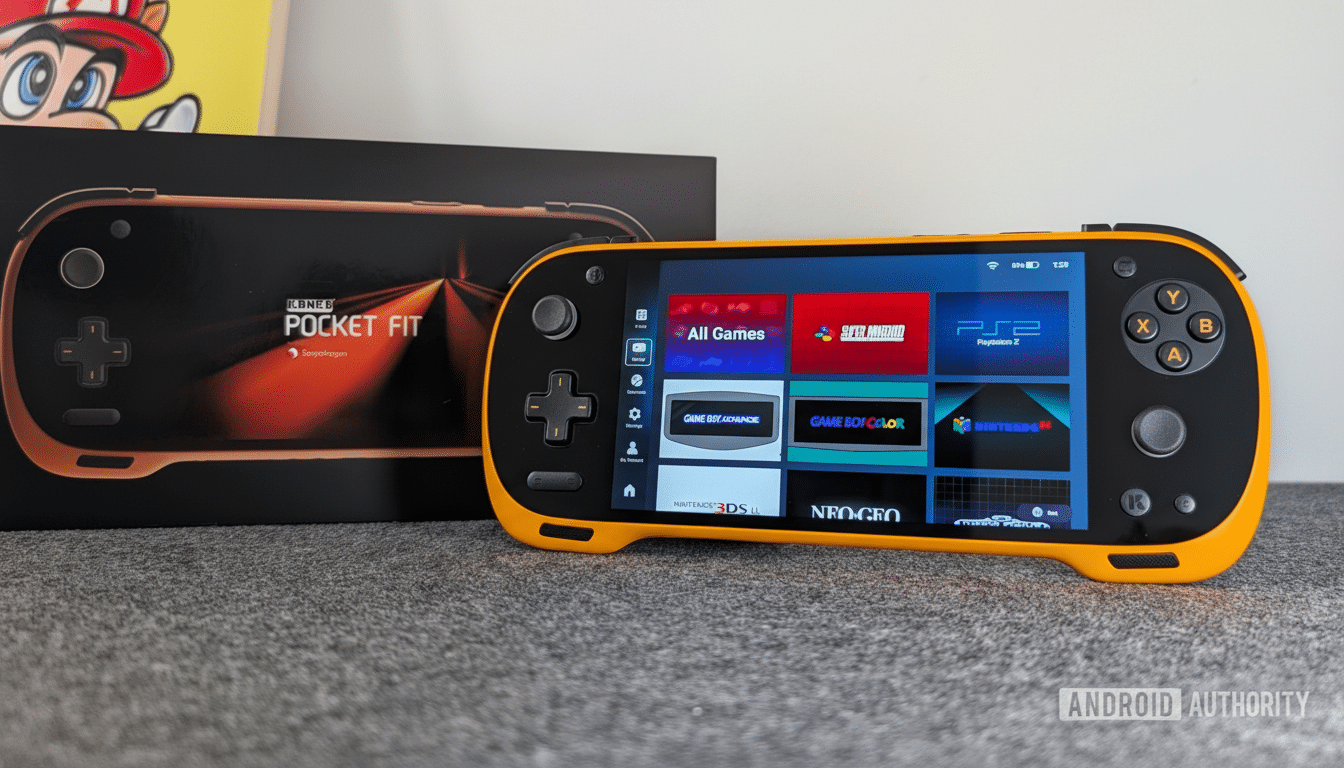
A high-profile Android handheld delay has turned into a cautionary tale about memory markets. AYANEO says its Pocket FIT Elite was blindsided by canceled RAM orders and soaring component costs, with memory pricing nearly tripling versus initial quotes. The device is still slated to ship after the holiday manufacturing shutdowns, but the fallout underscores how fragile the supply chain for high-capacity mobile RAM has become.
What Happened: RAM Allocations Pulled and Costs Soared
According to the company’s update to backers, suppliers pulled previously agreed RAM allocations for the Elite model months after deposits were paid. Replacement stock—especially for 24GB configurations—was either unavailable or quoted at drastically higher prices. AYANEO opted to take the hit to honor orders, converting the Elite into a loss-making product while keeping its revised shipping window.

To ease the wait, the firm is offering a $15 store coupon to all Pocket FIT buyers, including those who requested refunds. Elite backers will also receive an accessory pack with a case, thumbstick caps, a crossbody pouch, and a screen protector. Standard Pocket FIT G3 units are reportedly close to clearing the backlog, with the Elite delay also used to refine tooling and the frame.
Why RAM Costs Are Spiking Across Mobile Devices
The crunch traces back to a sharp rebound in the memory cycle. Industry trackers such as TrendForce reported multiple quarters of double-digit DRAM contract price increases through 2024 as suppliers curtailed output during the downturn and then redirected capacity toward higher-margin products. High Bandwidth Memory for AI servers soaked up manufacturing attention, while DDR5 for PCs and servers took priority over mobile-grade LPDDR, tightening supply.
That shift matters for handhelds. LPDDR5/LPDDR5X used in compact devices relies on the same fabs making other memory types. When wafer starts are limited, niche bins—like 24GB LPDDR bundles—become the first to vanish or surge in price. Counterpoint Research has also noted rising average RAM per Android device and a wave of 16GB–24GB smartphones, intensifying competition for high-density modules.
Why This Handheld Was Hit Harder by RAM Shortages
AYANEO’s Elite variant leans on higher-capacity memory that isn’t produced at the same volume as mainstream 8GB or 12GB kits. When suppliers withdrew quotes, there weren’t many interchangeable options, and alternative inventory carried stiff premiums. Brands that pre-bought inventory or targeted more common configurations appear less exposed. In other words, the Elite ran into the worst possible combination: a niche RAM spec and a market pivoting toward AI and server demand.
It also reveals why the pain looks uneven across handhelds. Valve’s Steam Deck and many Windows-based portables typically ship with 16GB LPDDR, a sweet spot with broader availability. Android-first handhelds chasing flagship-phone specs—24GB RAM, faster LPDDR bins—are far more vulnerable when suppliers prioritize bigger customers or reallocate capacity at short notice.
What Buyers Can Expect Now Amid High RAM Prices
For the Pocket FIT lineup, the company insists core performance parity between versions and says the Elite’s delay hasn’t altered its fundamental capabilities. The bigger lesson for shoppers is timing: in a rising DRAM market, preorders tied to specific high-capacity modules carry added risk. Expect more brands to emphasize flexibility—offering multiple RAM tiers, locking supply earlier, or absorbing small batches at higher cost rather than delaying entire runs.
For budget-conscious buyers, the best value may sit at 12GB–16GB RAM, where supply is deeper and prices more stable. Enthusiasts chasing 24GB configurations should anticipate volatility, potential delays, or limited-quantity releases until supply normalizes.
The Bigger Memory Squeeze Behind Handheld Delays
What happened here isn’t a one-off snag; it’s a window into how macro memory cycles shape small-device launches. When DRAM vendors like SK Hynix, Micron, and Samsung pivot production to feed AI data centers and DDR5 upgrades, mobile components become a squeeze point. IDC and other analysts have flagged that component mix shifts can ripple into consumer devices months later, especially for niche SKUs.
AYANEO’s decision to ship at a loss illustrates the stakes for crowdfunded and boutique hardware makers balancing trust, timelines, and turbulent bill-of-materials costs. With RAM prices still elevated and demand for AI hardware unabated, handheld makers will need tighter contracts, earlier procurement, or more conservative memory targets. For now, one delayed Android handheld has laid bare just how expensive high-capacity RAM can get—and how quickly a promising launch can be dragged off schedule.
