


Parents who have been juggling the paradox of “useful screen time” versus “too much screen time” have a new reason to exhale. An award-winning, Montessori-inspired kids app aimed at ages 2 to 8 is expanding access with a lifetime option, pairing calm, open-ended play with the kind of safety and privacy guardrails families want.
Why Calmer Screen Time Matters for Young Children
Screen use isn’t going away, so the quality of what kids see and how they engage with it is the battleground. The American Academy of Pediatrics recommends that families prioritize high-quality, age-appropriate media and co-play when possible, emphasizing routine and content over raw minutes. Common Sense Media’s most recent census on kids and screens found that tweens average more than five hours of entertainment screen use daily, while teens spend nearly nine—figures that rose sharply during the pandemic and haven’t meaningfully receded. For many households, that makes low-stimulation, ad-free experiences more than a preference; they’re a strategy.
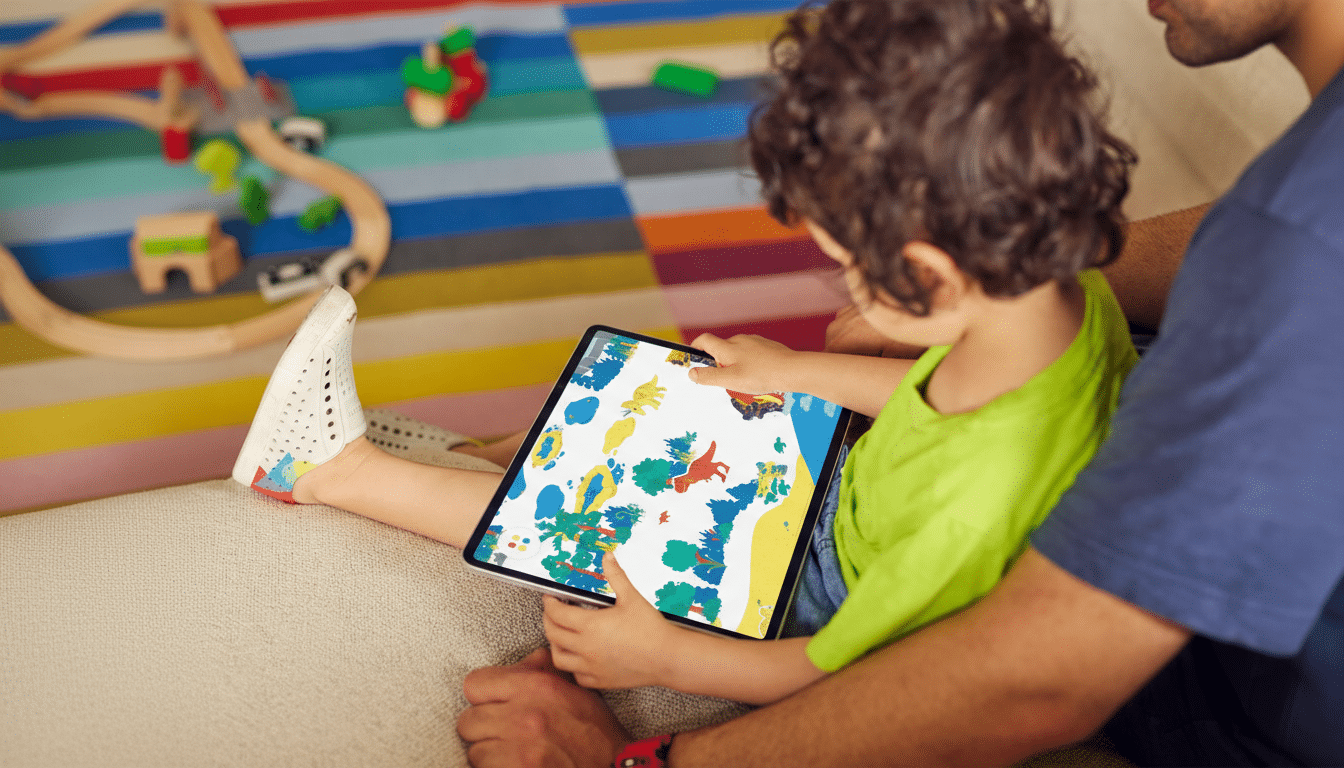
What parents worry about is not simply time, but design: autoplay, unpredictable rewards, and ads can keep kids clicking long past their bedtime. This app approaches the problem from the opposite direction. It strips away the hooks—no scores, no levels, no countdown clocks—and invites slow, tactile exploration that ends when a child is ready, not when a game says so.
Inside the Montessori-Inspired Design Approach
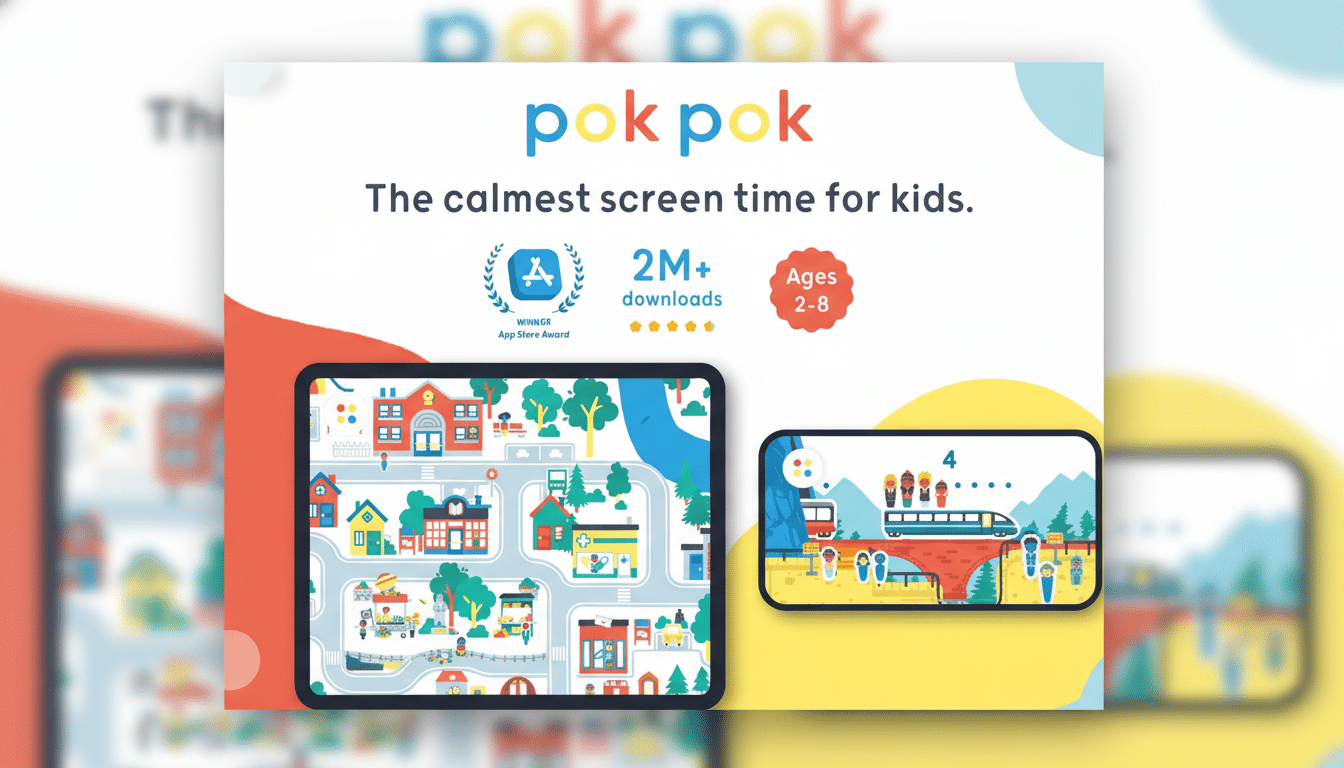
The experience feels like a thoughtfully curated playroom. Children tap into a set of “play spaces” with hand-drawn artwork and gentle, in-house soundscapes. Activities are open-ended: build a whimsical city and observe cause-and-effect as it wakes up; experiment with shapes, patterns, and pulleys to explore early physics; sort, count, and match to flex pre-math and language skills. There’s no “right” sequence, mirroring Montessori principles of self-directed learning and independence.
Early childhood researchers have long pointed to the power of play in building executive function—skills like working memory and cognitive flexibility. The Center on the Developing Child at Harvard University underscores that child-led play nurtures these capacities by letting kids plan, try, adjust, and try again. By emphasizing exploration over achievement, this app meets young learners where they are and keeps the arousal level low, which can help with transitions off the device.
The developers also update content regularly with seasonal and cultural additions so the library grows without shifting into louder, faster modes. That steadiness is key. Consistency keeps the environment predictable and keeps kids from chasing novelty for novelty’s sake.
Safety and Privacy Built In for Families and Kids
For families, privacy is non-negotiable. The app is COPPA-compliant and designed without ads or manipulative in-app purchases, so there are no dark patterns pushing kids to tap on commerce. A protected parent area controls settings, and the core activities are built to be navigated independently, reducing the need for constant adult intervention while still keeping adults in charge.
This foundation matters. The Federal Trade Commission’s COPPA rule sets strict limits on data collection from children under 13; kid-focused apps that adhere to it (and undergo independent certification) reduce the risk of tracking and unwanted contact. In practical terms, that means kids can focus on tinkering, creating, and exploring rather than dodging pop-ups.
What Families Are Seeing in Day-to-Day App Use
Parents who rotate this app into a routine often report calmer usage patterns—ten to twenty minutes of “quiet play” before dinner, or a focused stretch during travel—because there’s nothing egging children to chase the next level. One kindergarten teacher told us her students transferred skills from the app’s building space into a classroom STEM center, using similar trial-and-error language: “What happens if we change just this one piece?” That’s the open-ended mindset educators aim to cultivate offline.
Lifetime Access Signals a Family-First Model
The new lifetime access option underscores a larger shift in kids’ software toward trust and transparency. Instead of a recurring bill that nudges developers to maximize minutes, a one-and-done model aligns incentives with measured use: deliver enduring value, not sticky mechanics. Families get ongoing content updates—new play spaces and cultural moments—without worrying that features will hide behind upsells later.
It also simplifies the nuts and bolts. With a single purchase, households can plan screen time the way they plan library visits—intentional, predictable, and part of a broader routine that includes reading, outdoor play, and sleep. In a market where many children’s apps feel like theme parks, this one aims to be a museum: hands-on, beautifully curated, and respectful of attention.
The Bottom Line for Parents Considering This App
If you’re searching for screen time that behaves like a quiet activity instead of a behavioral battle, this award-winning app checks the right boxes: developmentally grounded design, open-ended play, and strong privacy standards. Combined with the lifetime access offer, it gives families a sustainable way to say yes to screens—without the stress.
