


AT&T is returning to the smart home with Connected Life, a duo of security bundles created to keep you camera-ing, sensing, and alerting even when your home’s internet or power doesn’t work. The kits mix Google Nest gear with Abode’s security expertise and rely on AT&T’s cellular network for failover, aimed squarely at households where reliability is critical.
What’s included and what it costs for each kit
The Connected Life series kicks off with the $399 Starter Kit, which includes:
- What’s included and what it costs for each kit
- How the backup keeps you online during outages
- Plans, monitoring, and requirements for Connected Life
- Why this matters right now for smart home reliability
- How it compares with rivals in the smart home market
- Trade-offs and open questions for AT&T Connected Life
- Bottom line: a timely, well-integrated security option
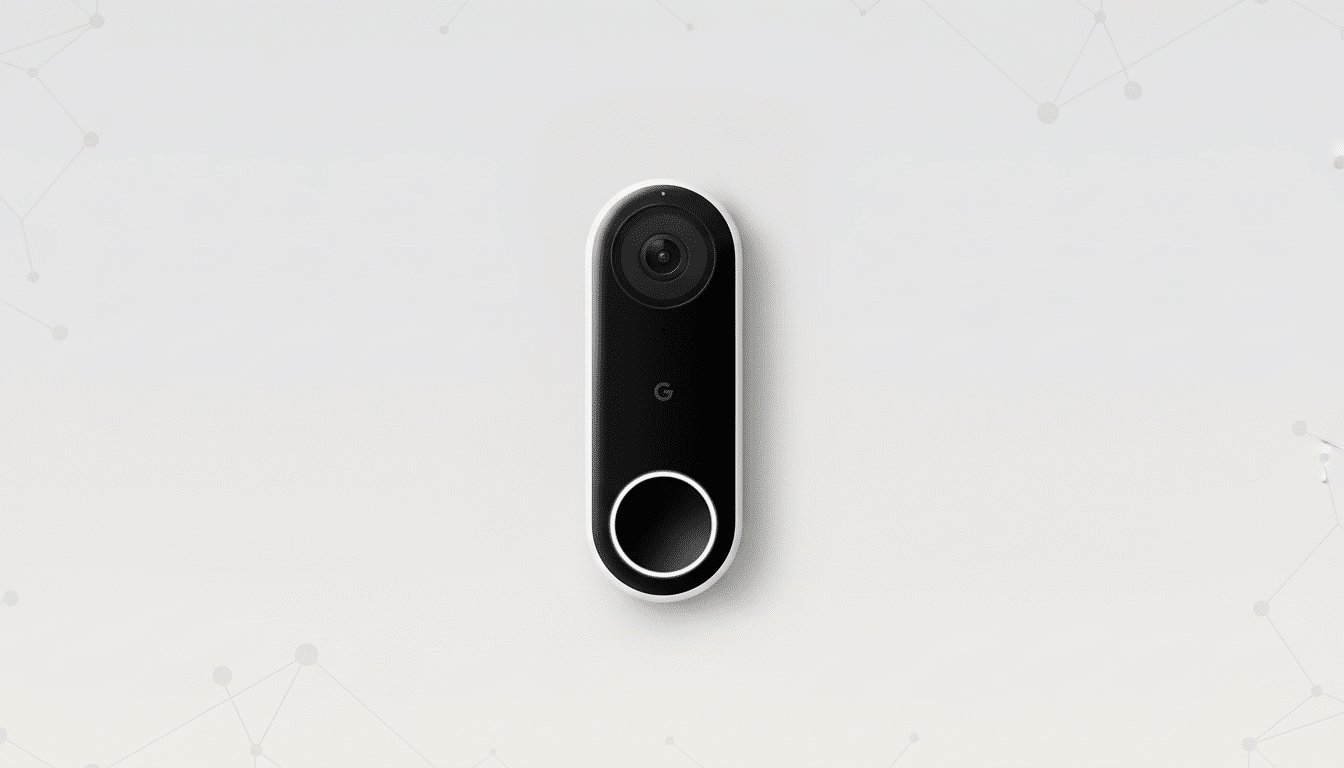
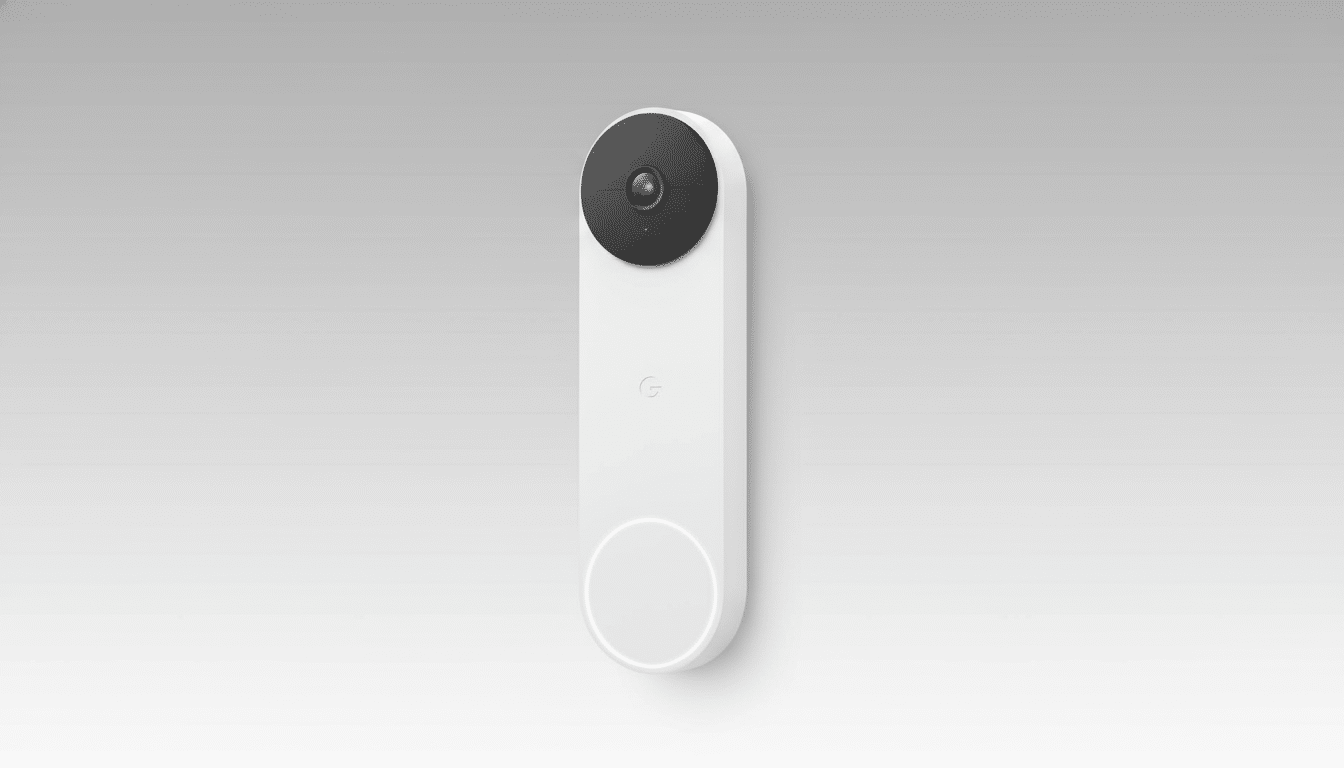
- Google Nest Doorbell
- One indoor motion sensor
- Two door or window sensors
- Battery-operated security hub
Easy payment installment available: $11.08 monthly for 36 months.
Larger homes might also want the $699 Advanced Kit, which adds:
- Two additional contact sensors
- An additional motion sensor (for a total of two)
- A wall-mounted keypad
- A key fob
- Your choice of an indoor or outdoor Google Nest Cam
That package is available in 36-month installments for $19.42 per month if you prefer to pay over time.
Google told Wired that the camera hardware in these bundles isn’t the newest generation released earlier this fall, so you can expect last‑gen Nest Cam models. Given the price of the bundle, that may not be a terrible trade-off for some buyers, but it’s worth noting if you’re after the latest functionality.
How the backup keeps you online during outages
On a good day, Connected Life works natively over your home Wi‑Fi; on a bad one, it fails over to AT&T cellular service. Because the security centerpiece is battery powered, it continues to work even after a power outage and relies on the cellular link to keep sending alerts, arm or disarm commands, and event-based video uploads.
This is a pragmatic solution to a widespread headache. The average U.S. electricity customer had 5 to 6 hours of power interruptions in 2022, most related to weather-driven “major events,” according to the U.S. Energy Information Administration. Cellular failover helps maintain connectivity for your door and motion sensors and doorbell; camera photos can be sent to alert you when the modem is down.
Like all LTE/5G backups, performance will vary based on local coverage and network conditions. That likely means event clips and notifications will trump continuous, bandwidth‑draining recording when you’re relying on battery and the cellular network.
Plans, monitoring, and requirements for Connected Life
Connected Life requires an existing AT&T wireless or home internet account to activate. Service plans start at $10.99 a month and include cellular backup, smart alerts (alerts with signal repetition), and 30-day event video history. For $21.99 per month, you also get 24/7 professional monitoring via Abode and automatic dispatch for police or medical emergencies, plus potential homeowners insurance discounts where available.
There’s no annual contract; you can change plans monthly. AT&T reports most customers will be able to self-install, while professional installation is offered by third-party technicians at an extra cost.
Why this matters right now for smart home reliability
Outages remain stubbornly common. Data from the EIA indicates that weather-related events are a leading cause of reliability problems, and increasingly severe storms have exacerbated this challenge in many areas. At home, meanwhile, connectivity is now minute-by-minute mission‑critical for everything from going to work and attending school to getting health care virtually. It’s also increasingly important to have a system where connectivity is integrated, not added on.
Daily use is also more streamlined by the integration. AT&T developed its Connected Life app with Google Home’s APIs, so rather than bouncing between apps, you control Nest devices, Abode monitoring, and cellular backup all from a single place. That integrated control is still the exception even as more devices are added to households.
How it compares with rivals in the smart home market
Rivals have nibbled at the same problem from different angles. Ring Alarm Pro connects with a mesh router, allowing for LTE backup when you sign up for its top plan. SimpliSafe also includes cellular backup as standard in all its systems and provides optional monitoring. Cable and telecom providers have offered battery or cellular failover for security panels for some time, but often with more siloed device ecosystems.
AT&T’s pitch is a connection-first security package built on a popular smart home platform. For homes that are already knee‑deep in Nest, the upside is clear: devices you know and a Google‑tastic AI alert engine, plus an AT&T network safety net once the lights go out.
Trade-offs and open questions for AT&T Connected Life
Most significantly, there’s the camera generation compromise—power users wanting all of the latest Nest video features might prefer to hold off on buying or pair with newer hardware. It’s also not clear just how much third‑party sensor support the hub promises outside of the provided sensors and Nest gear—AT&T has only gone so far as to say there will be wider compatibility.
Privacy and ownership of data are another factor in any multi‑partner situation. In this case, device data can move through AT&T, Google, and Abode’s services. Buyers will want to read the privacy policy and opt‑in settings of individual providers, especially those about video storage, facial recognition features, and any emergency response.
Bottom line: a timely, well-integrated security option
Connected Life is a credible reentry for AT&T after letting its past smart home platform languish. With bundles that package Nest hardware, plus Abode’s professional monitoring and a battery‑powered hub with cellular failover, the company is tackling the single biggest weakness of DIY security systems: they’re likely to go down precisely when you need them. This is a timely and well‑designed option for homes that weather regular storms, have unreliable broadband, or just want a safety net.
