


Wi‑Fi 7 gear is slowly finding its way into people’s homes, but the next standard is already elbowing for attention. As we saw at CES, Asus announced it expects to ship its initial Wi‑Fi 8‑compatible routers and mesh systems before year’s end, which is an early stake in the ground for 802.11bn while the IEEE trudges on toward final spec acceptance.
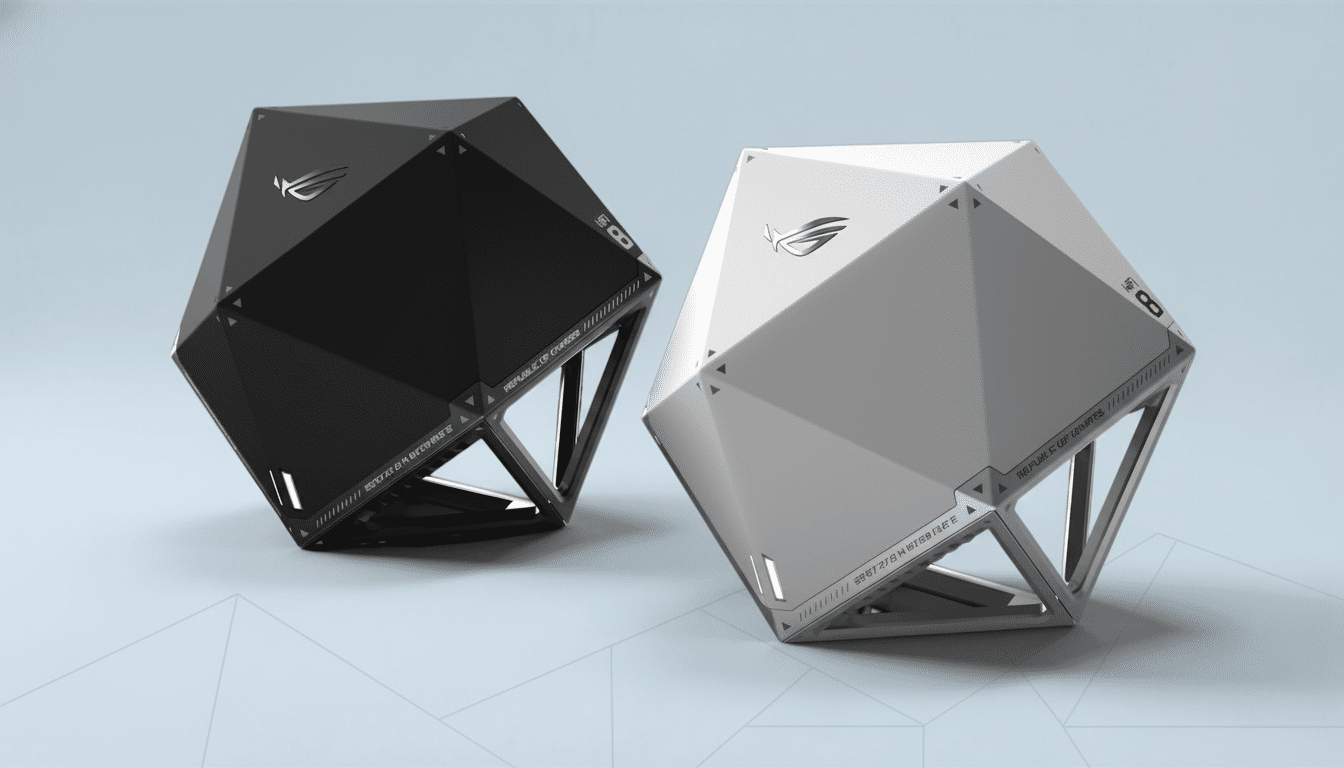
Asus even wheeled out a concept system—ROG NeoCore—to show what it thinks Wi‑Fi 8 will address: not raw peak speeds, but reduced latency, cleverer coordination between access points and better mid‑range reliability. The company’s own promos talk of up to 2x mid‑range throughput, 2x wider IoT coverage and as much as a 6x reduction in P99 latency over existing gear — indicating a shift from headline gigabits to steadier everyday performance.
What Wi‑Fi 8 Is Seeking to Achieve in Real Use
Wi‑Fi 7 already extended channel widths to 320MHz and added support for 4K QAM, which cranks conventional speeds high enough that, even in theory, much of this range will be hard for most people to take advantage of. Wi‑Fi 8, on the other hand, is aiming to design those links so that they behave better: more deterministically scheduled packets at every access point, even tighter multi‑AP coordination, and faster recovery when interference causes a spike in latency. That’s why vendors are relying on P99 latency — a measure of the worst‑case delay you experience 99% of the time — instead of lab‑bench peak throughput.
Look for improvements in multi‑link operation and network orchestration, which will assist routers and clients in selecting and merging bands (2.4/5/6GHz) more intelligently. For sensor‑stuffed, camera‑packed or wearables‑heavy connected homes, incremental wins in scheduling and coverage often outweigh seeking another theoretical gigabit.
The Hardware Pieces Are Falling Into Place
It helps that behind Asus’s guarantee is a new wave of silicon. In addition, the BCM4918 APU by Broadcom and new dual‑band radios for next‑gen routers were released; MediaTek also followed suit with Filogic 8000, a premium Wi‑Fi 8 solution. They provide a sort of LEGO starter set for nailing down end products and trying firmware against living designs.
If this sounds familiar, it is. The Wi‑Fi Alliance certified products during the Wi‑Fi 6 cycle before IEEE ratification, and early “draft” routers were sent out months before client uptake. With the Nest Hub Max, we’re seeing that same playbook playing out: early adopters get all the bragging rights, but they also ride firmware updates as features finally stabilize and certification programs come online.
Why the Haste When Wi‑Fi 7 Is Scarcely Here
According to market trackers, most households are still running Wi‑Fi 5 or Wi‑Fi 6 gear and even many Wi‑Fi 7 routers are constrained by client devices that can’t take advantage of the latest tricks. But the residential network is evolving, and quickly: multi‑gig fiber is landing in homes, where dozens of always‑on devices are being added and gamers and streamers have zero patience for jitter. Vendors want to get a flag in the ground now so that when there is customer demand, they are ready.

Regulation also shapes the story. The United States carried through on the full 1,200MHz of the 6GHz band while parts of Europe okayed lower amounts; automated frequency coordination for standard‑power 6GHz is also still rolling out market by market. The advantages of Wi‑Fi 8 will be most apparent where there’s plenty of 6GHz spectrum to perform in — and that’s why router makers are scrambling to be first to market.
What Asus Actually Showed at CES for Wi‑Fi 8
Asus’s ROG NeoCore concept, inspired by a 20‑sided die, is more of a conversation piece than one that will be available for purchase anytime soon. The company framed it to emphasize Wi‑Fi 8’s aims — specifically, dramatically lower latency for gaming, more consistent connections throughout a household and expanded coverage for connected low‑power devices. Final industrial design, channel counts and pricing were not revealed, and the company positioned the prototype as more of a glimpse into potential than a blueprint for retail.
Under the flashy shell, the expectation is a platform that can play better with mesh nodes, schedule traffic more predictably and maintain performance as homes get busier. Asus says its first wave of Wi‑Fi 8‑capable gear will arrive before the end of the year, both in standalone routers and whole‑home mesh kits.
Should You Upgrade Now or Just Wait for Wi‑Fi 8?
If you have a Wi‑Fi 5 or early Wi‑Fi 6 router now and your home is challenged by congestion or multi‑gig broadband, fast‑maturing mesh supporting Wi‑Fi 7 is an upgrade that’s practical today. It will take time for Wi‑Fi 8 client ecosystems to materialize, and the biggest wins won’t come until PCs, phones and consoles can boast native support.
For power users who love the cutting, bleeding edge, Asus’s early jump and their resulting refreshed Broadcom/MTK platforms should show us some credibly competitive bits in short order. Just don’t go in with eyes closed:
- Pick vendors with a good history of delivering quality and secure firmware.
- Look for support for more than one 2.5GbE or 10GbE port (for full‑speed backhaul).
- Ask to see and configure multi‑link options ahead of time.
- Ensure there’s a path to adoption around the upcoming rules regarding 6GHz access wherever you are.
The Wi‑Fi 8 era is beginning — not with a speedometer‑busting burst, but with a steadier, smarter network in your home.
