


Apple’s new Watch Ultra 3 has the longest battery life of any Apple Watch yet — tracking time equally during everyday use and endurance workouts. Apple claims that the Ultra 3 can last for up to 42 hours in standard mode, and up to 72 hours in Low Power Mode, with a claimed 20 hours of outdoor exercise in Low Power Mode while still tracking full GPS and constant heart-rate tracking.
Battery life at a glance
The headline number is that you’ll see an increase from the Ultra 2’s 36-hour rating to 42 hours — an increase of about 17 percent under typical usage. The 72-hour Low Power estimate gets you almost three days of wandering between outlets, and the 20-hour workout claim covers you for a full day on the trails or an ultramarathon without losing out on GPS accuracy or heart rate fidelity. These gains bring the Ultra 3’s endurance meaningfully closer to “charge every other day” territory for mixed use that consists of notifications, workouts and sleep tracking.

Why it lasts longer
Apple hasn’t revealed the precise battery cell size (it never does), but we know its efficiency playbook: a more power-efficient SiP, smarter display drivers, and OS-level power management (that would be watchOS). Historical teardowns from iFixit have revealed that Apple often uses a small increase in battery capacity to offset larger gains from silicon and tuning of software. That seems to be the course here.
Importantly, Apple claims Low Power Mode can continue to record workouts with full-precision GPS and continuous heart rate. That’s significant because there were some wearables in our group that stretch battery life by taking fewer samples. Maintaining high-quality data while increasing the battery life is a tough balancing act and hopefully will maintain the training accuracy for runners, cyclists and hikers.
Real-world endurance scenarios
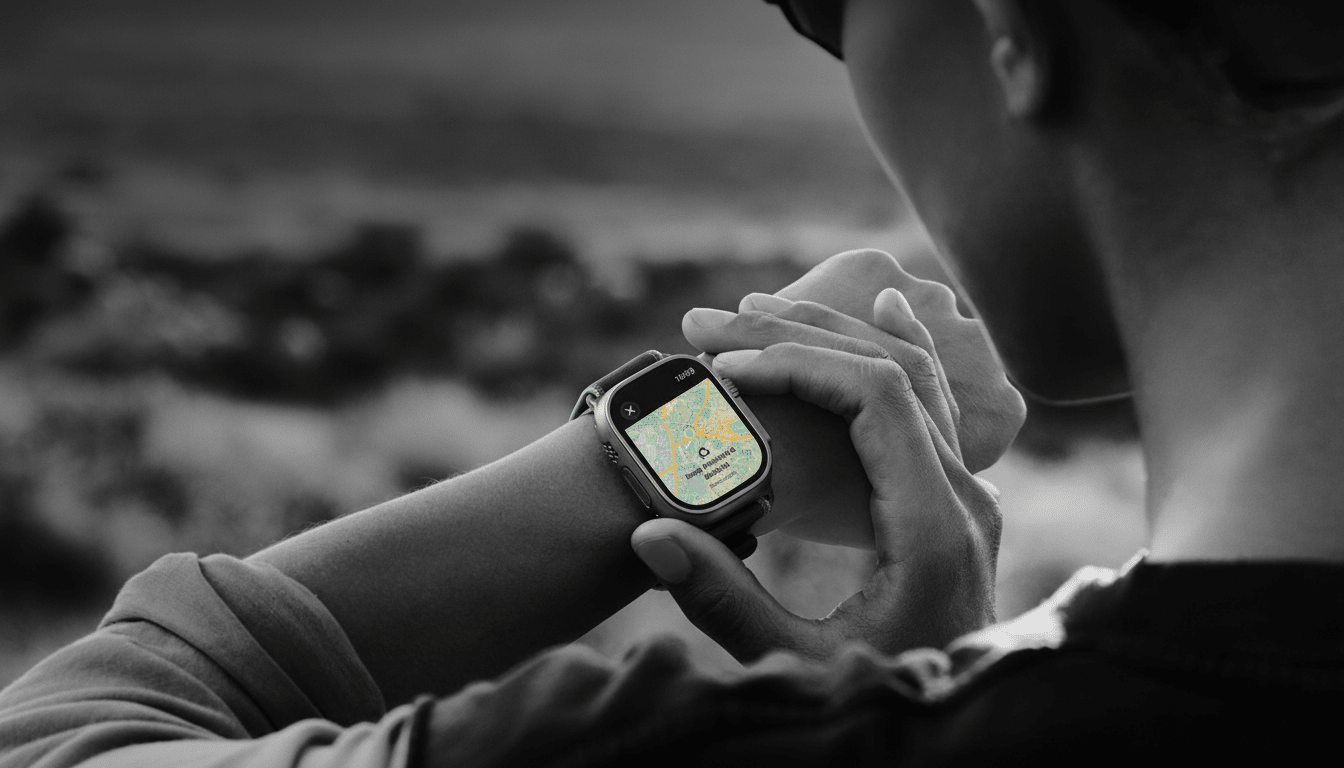
For marathon training, 42 hours means you can go long on Saturday, cross-train on Sunday and still come into Monday without needing a wall charger. Trail runners and hikers should have a full day of buttery smooth, breadcrumb-precise GPS logging in Low Power Mode, and even more buffer for a long return route. Fitness reviewers like DC Rainmaker have previously lauded the Ultra line’s dual-frequency GPS for urban canyons and dense forests; coupling that precision with a longer runtime extends where you can trust the watch.
Fast top-off strategy SANE TRAVELERS have an easier recourse to the fast top-off. Apple says a 15 minute charge can provide up to 12 hours of typical use—a feature that is convenient when you’re transferring flights or grabbing a coffee on the go before a meeting. For those monitoring sleep, that brief top-up window also falls between evening wind-down and morning prep.
Charging speed and habits
Fast charging mitigates the punishment for skipping a full overnight plug-in. And if after work you regularly go to the gym, and want to track your sleep the second you get home, I suspect a quick charge after your workout and a refresher before the commute to the office would still do you for the day. Apple’s estimates are cautious for light users and tighter for those who leave the always-on display, LTE and frequent GPS sessions enabled, so everyone’s mileage is going to be different.
How it compares with rivals on range
Robust adventure watches from companies like Garmin and Coros rule the multi-day GPS metrics world—Garmin’s Enduro-class devices and Coros Vertix watches can go for triple-digit hours in some modes, often powered by tricks like solar charging and low-power displays. Apple’s biggest advantage continues to be its bright, responsive screen, deep app ecosystem and safety features, including fall detection and Emergency SOS. The Ultra 3’s extended battery life doesn’t dethrone those ultra-endurance leaders, but it does close the gap in a way that many athletes and travelers are likely to appreciate.
Upgrade calculus for existing owners
Compared to the Ultra 2, that six-hour standard-mode gain is significant if you typically stack long workouts, commute with LTE turned on, and travel in such a way that you have an unreliable power situation. For owners of previous Apple Watch models, the Ultra 3’s numbers are a step-change — more hours between charges, GPS that’s stronger in tougher conditions, less compromise when you flick on Low Power Mode.
The upshot: Apple has at last made solid battery life a selling feature of its flagship watch. The Ultra 3 isn’t designed to replace a solar-powered expedition watch, but for most people who already live in Apple’s walled garden, it now lasts long enough to ditch the charger over a long weekend and still be assured of returning with a full workout log.
