


I pitted the flagship Apple smartwatch head-to-head with Google’s brand new Pixel Watch to answer the question people actually ask: which one should you buy? After wearing both, scrutinizing those claims against public research and concentrating on what matters day-to-day — comfort, health credibility, connectivity and value — here’s the clear verdict.
Design and on-wrist comfort: how each watch feels daily
Apple’s 11 Series is thinner, flatter and rounder than the version it superseded, which makes a bigger difference than what you see on the spec sheet — especially overnight. Pressure is also distributed more evenly under a band by the squared-off case, and the watch vanishes under a sleeve. Google’s circular Pixel Watch 4, on the other hand, has a typical domed design shape that the company is known for. It’s a handsome look, but the thicker case and convex back can mash into your wrist as you tighten the strap to get accurate heart-rate readings or sleep data.
- Design and on-wrist comfort: how each watch feels daily
- Health and safety: certifications that count
- Smart features and satellite connectivity
- Display brightness and overall performance compared
- Privacy practices and how your health data is handled
- Price, overall value and which users each watch best suits
- The verdict: which smartwatch is the better buy today
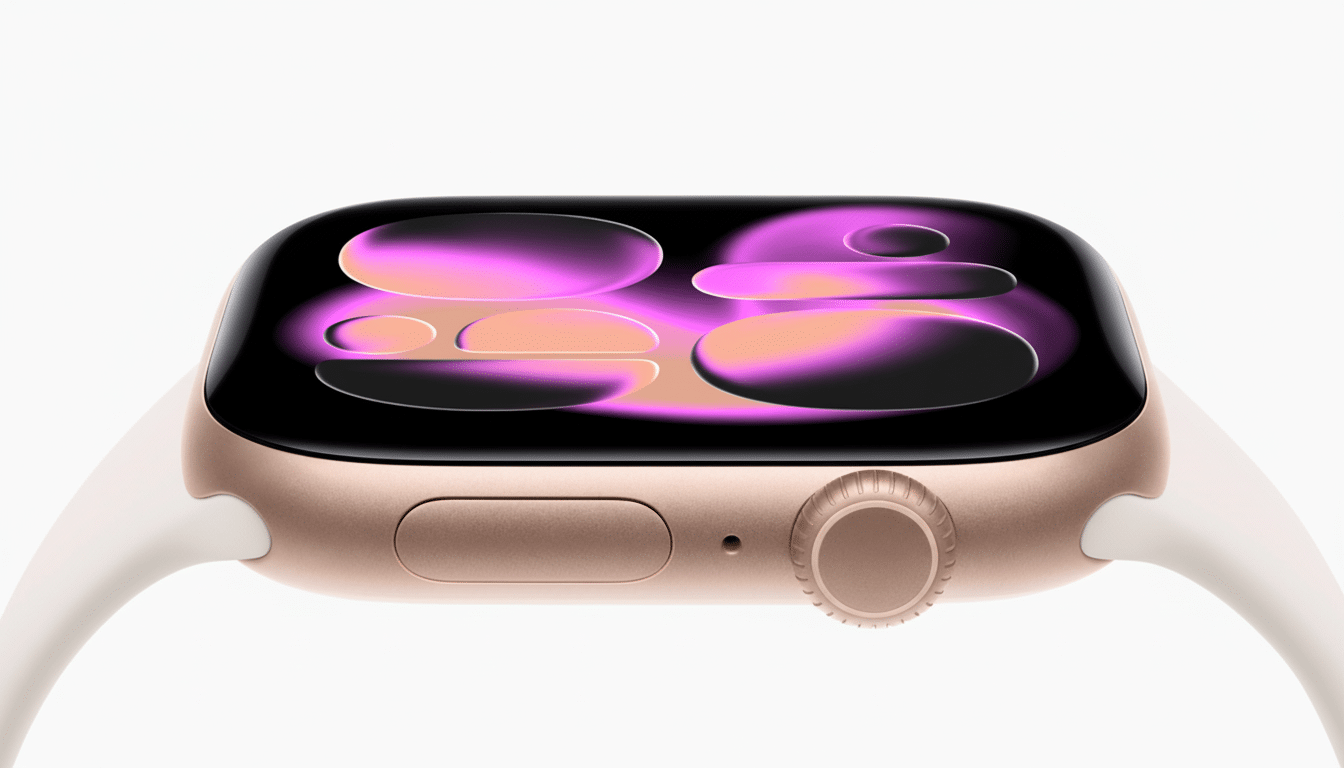
Apple’s ergonomics are tough to beat whether you are a sleep-metrics skeptic or just cramped for space on your wrist. Yes, the bulkier round face is less modern feeling than something like the Xiaomi Mi Watch or Apple Watch Series 6, or another big-screened smartwatch like Moto’s model.
Health and safety: certifications that count
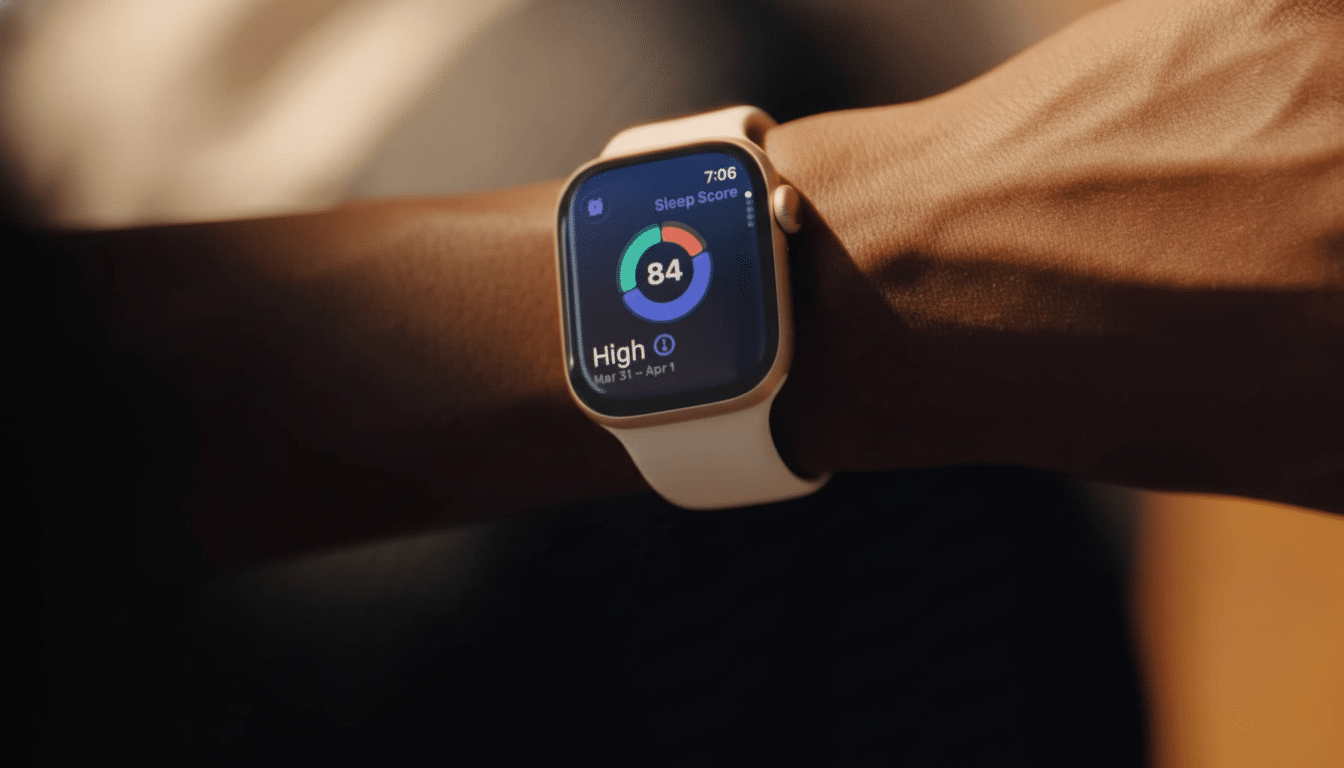
Apple doubles down on regulated health features — and it shows. Series 11 brings hypertension detection, which alerts you to elevated blood pressure trends over approximately one month, along with sleep apnea detection, blood oxygen monitoring, fall detection and irregular rhythm notifications. Many of these are also FDA-cleared, and Apple’s credibility when it comes to clinical validations (from ECG data to irregular rhythm notifications) has turned the watch into a ubiquitous presence in cardiovascular studies led by entities like Stanford and the American Heart Association.
Fitbit’s 20 years of health and fitness expertise will enhance Google’s watch with its fast algorithm development. Google combines Fitbit’s leading algorithms — including FDA-cleared irregular heart rhythm notifications, advanced sleep tools and unique SpO2 sensors — along with its culture and world-class technological expertise to bring in the next generation of wearables. The company’s sprawling Fitbit Heart Study had more than 450,000 participants — another reflection of the company’s medical aspirations. For now, though, in terms of sheer variety of certified features available there and then on the wrist, it’s Apple leading the pack — especially with hypertension and sleep apnea detections included as part of its Series 11 package.
Smart features and satellite connectivity
And both now offer emergency messaging via satellite for when you’re off-grid, though how you access it is different. Apple restricts satellite SOS to the more expensive Ultra 3, but Pixel Watch 4 offers satellite without making you pay for a premium tier. If you hike, ski or drive where cellular is sketchy, it’s a meaningful difference. Rescue experts consistently point out that time to contact is crucial; and with the majority of emergency calls already coming from cellphones, according to the FCC, redundancy bears paying attention to.
More than in safety, these watches differ in personality. Google is pushing AI utility — on-wrist smarts for summarizing notifications, generating quick replies and surfacing context-aware prompts — while Apple is positioning the watch as an always-there device that’s tightly integrated with the iPhone and coaching you into better fitness via Apple Fitness and Health.
Display brightness and overall performance compared
Apple’s Series 11 maxes out at 2,000 nits, bright even in intense sun. The Pixel Watch 4 pushes that further, hitting around 3,000 nits. Both look great in isolation; side by side on a clear day, Google’s panel holds onto highlights just a touch better. Both are also smooth and quick to navigate, with animations plus haptics up to snuff. App ecosystems feel mature-ish on both overall as well, the big health guys all preferring Apple but Google apps like Maps/Wallet/Assistant being excellent for the Pixel Watch.
Privacy practices and how your health data is handled
Health-related data is some of the most personal information we can share. Apple’s approach tends to err on the side of caution, with on-device processing where feasible, and encryption and permissive-sharing within Health. Apple has historically been featured as having a privacy-respecting approach in independent reviews like the ones from Mozilla Foundation’s Privacy Not Included, which focuses on data sharing.
Google is a very features-centralized company that offers features as part of its ecosystem with opt-ins versus opt-outs, and Fitbit has been making those data controls transparent for the last few years. Third-party sharing for research and features is an opt-in process, and the company has said it does not use health data to target ads. If you want the absolute least amount of sharing that Apple allows, it still has an advantage; if you appreciate cross-service convenience with explicit controls, Google’s system is quite manageable.
Price, overall value and which users each watch best suits
The Pixel Watch 4 clocks in at about $349, compared to the Apple Watch Series 11’s starting price of $399. Google also offers satellite connectivity without needling you to upgrade to a pricier “Ultra” model. Those are real savings if you’re already on Android and just want the brightest screen with AI-forward capabilities.
For iPhone owners the choice is easy: get an Apple Watch. You also get the richest health feature set, tightest app and notification integration, and better long-term support inside Apple’s Health ecosystem. If you’ve got an Android device, the Pixel Watch 4 is the obvious pick — but it’s easily one of the most attractive Pixel Watches for safety features and intuitive value.
The verdict: which smartwatch is the better buy today
Overall pick: Apple Watch Series 11. It is the most full-featured health-first smartwatch on the market, with FDA-cleared features that extend beyond step counts and heart rate data to catch issues that actually modify outcomes. But, for most people at least, the Series 11’s comfort, clinical pedigree and broader app ecosystem makes it worth missing out on the Ultra 3’s satellite capability.
Best for Android: Pixel Watch 4. If you’re not getting an iPhone, this is the smartwatch to buy. You’re getting brighter display tech, satellite capability without an upsell, the Fitbit health algorithms that we know and trust, and the most seamless integration with Google services at a lower gateway price.
In sum: iPhone owners can confidently buy the Apple Watch Series 11. Pixel Watch 4 should be for Android users. Choose the one that pairs with your phone, but remember Apple still holds a slim edge overall in terms of health and reliability.
