


Apple added to its range of wearables with three new models — Apple Watch Series 11, Watch Ultra 3, and Watch SE 3 — foraying further into health data, connectivity, and performance. The highlights: First-ever satellite capability on the Ultra, the across‑the‑board 5G and a high-blood-pressure alert feature that uses long‑term trends rather than one-time readings.
Series 11: Health signals clash with 5G
Series 11 comes with a hypertension alert that tracks how the blood vessels reply to each heartbeat and it’s done with your optical heart sensor. Rather than being triggered on a one-off snapshot-by-snapshot basis, the algorithm looks for trends over a 30‑day rolling window and alerts users if it spots a signal that is indicative of chronically high blood pressure. Apple says it hopes to identify possible hypertension in more than a million people in the first year.
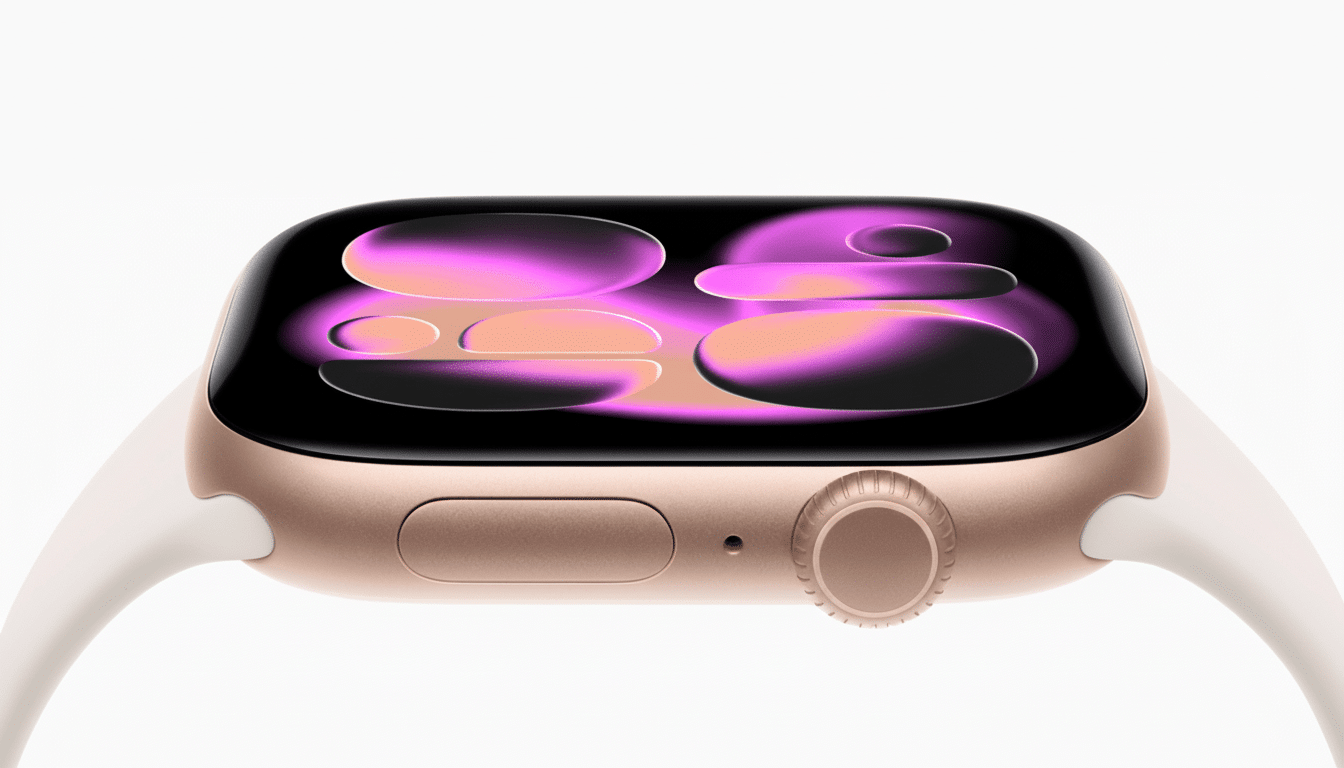
That emphasis is timely. The Centers for Disease Control and Prevention predicts that nearly half of American adults have hypertension — and many don’t know they have it. Apple featuring is framed as a wellness alert — not a clinical diagnosis — but it could push more people toward a confirmation and treatment via a cuff. Cardiologists have known for some time that trend data, not readings taken once or twice, embody hypertension risk across time.
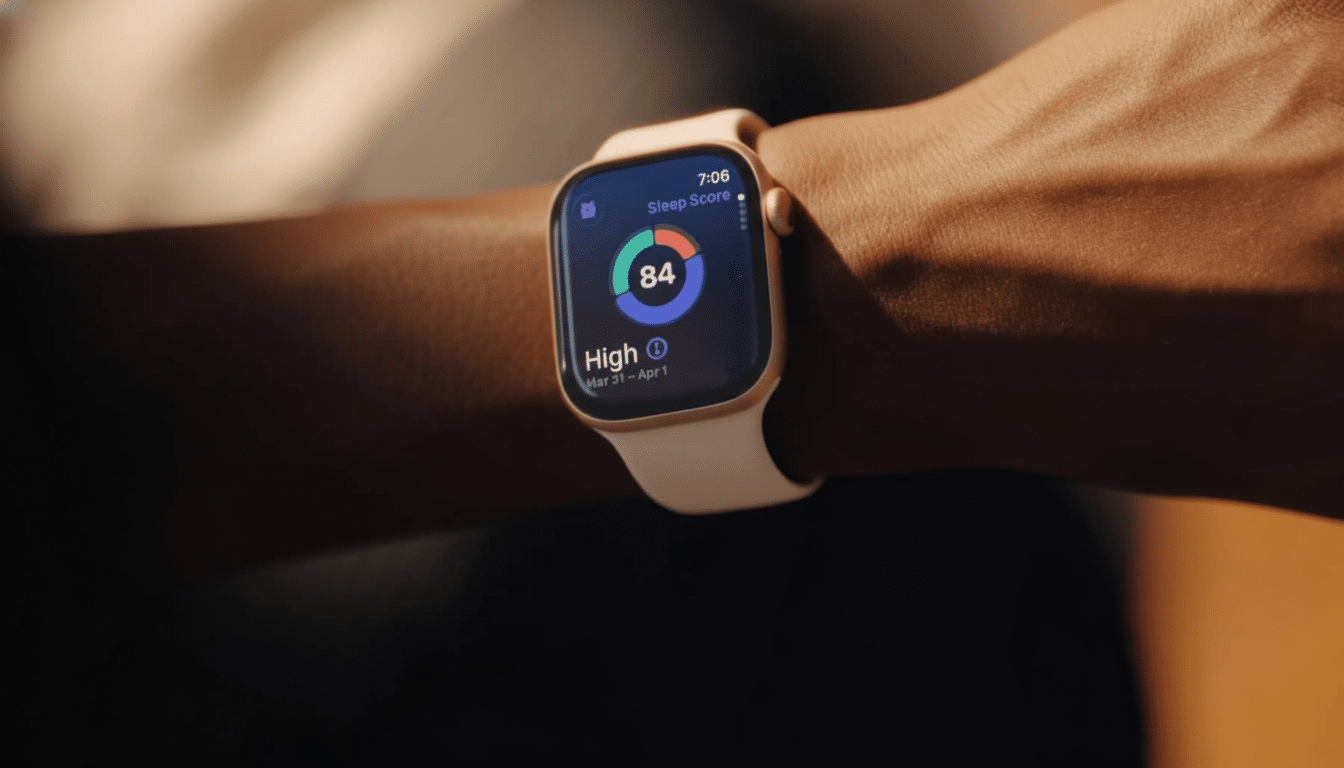
Sleep tracking also gets a bit of an upgrade with a new Sleep Score that stitches together duration, regularity, time spent in each stage and a count of how many times you wake up in the night into a single easy-to-scan metric. It’s intended to take users from raw data to some degree of practical guidance, something sleep researchers at institutions like the American Academy of Sleep Medicine have recommended for consumer wearables.
On connectivity, series 11 introduces 5G, which it says will be instrumental for better coverage and lower latency on something other than the LTE models that came before, which is a particularly useful addition for standalone music, maps and safety features. They have up to 24 hours of battery life. The finishes are Jet Black, Silver, Rose Gold, and a new Space Gray, and the product starts at $399.
Ultra 3: Bigger screen, brighter ideas, satellite ready
Watch Ultra 3 introduces the lineup’s most significant hardware change: satellite connectivity for emergency communications when outside the reach of cellular and Wi‑Fi. From remote locations, users will be able to reach emergency services, send short texts, and share location data through a feature called Find My — scenarios where, according to the National Park Service, thousands of backcountry rescues are made every year, often in areas that have no signal.
The display is souped up with an LTPO3 wide‑angle OLED panel. Apple reports that the onscreen borders are 24 percent thinner, which means it’s the larger and easier‑to‑read display ever on an Apple Watch — particularly from off‑angles in bright light. Battery life is also rated at up to 42 hours (or potentially as many as 72 hours in Low Power Mode), an important factor for multi‑day hikes or dives.
Ultra 3 also gets Series 11’s 5G and hypertension notifications. The model comes in Black and Natural Titanium colors, and prices start at $799, with outdoor-ready durability and better radios designed specifically for athletes, explorers, and first responders that absolutely must have failover connectivity.
SE 3: The gateway Watch has its day
The new 3 SE Watch makes the leap to Apple’s S10 chip, a much more powerful processor than the S8 in the last SE. The payoff is faster app launches, smoother animations and support for an always‑on display — an “adult” feature that has been a long time coming to the entry tier. Gesture controls such as double‑tap and wrist flick also come for the ride, providing quick interactions without needing to touch the screen.
Despite the performance boost, SE 3 still has an all‑day 18‑hour battery life rating and, for the first time, supports fast charging. It also incorporates wrist temperature sensing that allows for retrospective ovulation estimates and more detailed Vitals app trend analysis. Professional organizations, like the American College of Obstetricians and Gynecologists, say temperature‑based cycle tracking can be part of the spectrum of fertility awareness methods, but not as a stand alone form of contraception.
SE 3 comes in 40mm and 44mm sizes, and at Midnight and Starlight aluminum cases and starts at $249 — positioned as the default family and fitness starter Watch and with some headroom to grow.
Why this lineup matters
By spreading 5G through the lineup and tacking satellite onto Ultra, Apple is, however, treating the Watch more like a durable node attached to your body and less like an accessory for your phone. That pivot opens up use cases — from backcountry SOS to more reliable urban streaming — that benefit from speed and redundancy rather than raw app complexity.
On health, Apple’s long‑term, trend‑based moving mirrors the direction the industry is heading. Organizations such as the American Heart Association focus on long-term patterns for risk of hypertension, and consumer wearables are increasingly bringing those signals among large populations. Like Apple’s earlier AFib alerts that got regulatory clearance, the challenge is turning those alerts into action: Confirm with clinical tools, then treat.
On the market side of things, research firms such as Counterpoint Research regularly find Apple is the leading seller of smartwatches by shipments. The new roster of additions ranks neatly: SE 3 for value, Series 11 for mainstream health and speed, Ultra 3 for mission‑ready endurance. It’s a division that maintains the carriers’ clearest 5G narrative and keeps its competitors in multisport and adventure watches on alert.
Pricing at a glance
Apple Watch SE 3: from $249 (40mm/44mm, Midnight, Starlight); Watch Series 11: from $399 (Jet Black, Silver, Rose Gold, Space Gray); Watch Ultra 3: from $799 (Black or Natural Titanium). Each model is compatible with all the latest watchOS features and retains compatibility with current bands.
