


Apple’s new iPhone 17 brings the company’s fast-refresh technology, ProMotion, to its base model for the first time, a stark change in priorities for the lineup. The handset moves up to a 6.3 inch housing OLED with 120Hz adaptive refresh rate, putting the base of the iPhone squarely across the ring from premium Android rivals that have made high refresh displays table stakes for some time.
120Hz comes to the base iPhone
The iPhone 17’s ProMotion display will boast the ability to dynamically adjust its refresh rate, courtesy of LTPO (Low-Temperature Polycrystalline Oxide) backplane technology, which revs up to deliver ultra-smooth scrolling and gameplay, before kicking back earthwise to save power when the content is static. Apple couple the adaptive panel with its own 3,000 nits peak brightness claim, a leap that should bring vastly increased outdoor visibility compared to previous iPhones.

Durability also gets attention. The screen is covered with Ceramic Shield 2, which Apple says offers improved scratch resistance with respect to prior generations. Add to that slimmer bezels and the 6.3-inch canvas gets some room to breathe (the last base model was 6.1 inches), and the iPhone 17’s screen is the headline upgrade.
Adaptive tech meets new display engine
Powering the phone is a 3nm A19 chip below the hood that comes with a new display engine designed to push adaptive refresh and high brightness in a more efficient manner. It matters because high-refresh OLEDs can drain the battery; analysts at Display Supply Chain Consultants have long noted that LTPO’s variable refresh, when closely controlled by silicon, has the potential to make a big difference in energy consumption on a day-to-day basis.
In practice, that means you should see system animations that are smoother in iOS, touch interactions that feel more responsive and less motion blur in fast-scrolling apps. Games that take advantage of higher frame rates should likely benefit already, while streaming apps and web content can intelligently tune refresh to strike a balance between fluidity and battery life.
Cameras: sharper ultrawide, smarter selfies
Apple also updates the camera stack as well. New ultra-wide 48-megapixel sensor captures more detail for landscapes and low-light group shots and achieves more dramatic effects in macro, thanks to denser pixels and updated processing. The system delivers a 2x optical-quality telephoto option (via high-resolution cropping and sensor fusion, which the base model didn’t offer without adding a dedicated tele lens.
In the front, an 18-megapixel, square-format sensor allows users to record in unexpected aspect ratios without having to turn the phone around — which would be particularly helpful for image makers switching between vertical and horizontal shots. Stabilization has been optimized for handheld video, and the front camera now supports Center Stage during video calls, which keeps the subject framed while they move — something previously associated with Apple’s tablets.
Pricing, storage, and colors
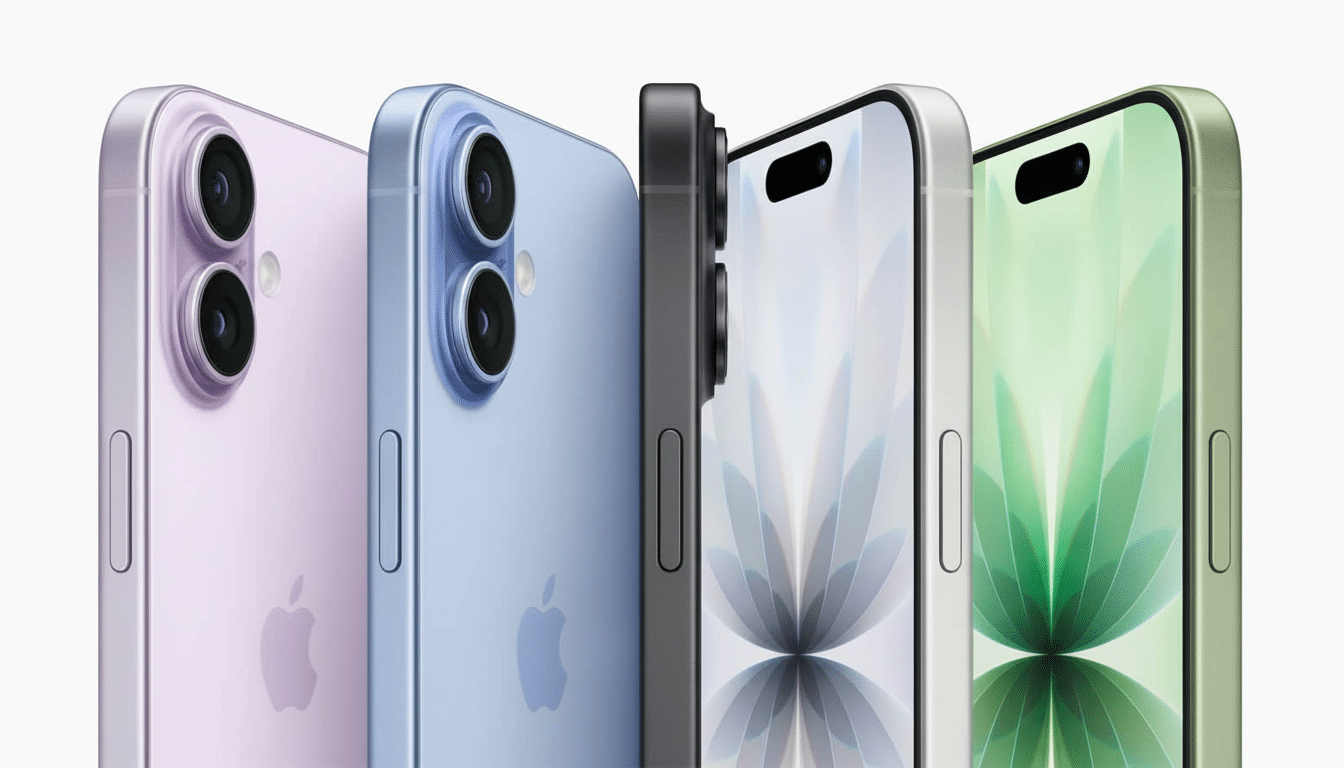
The iPhone 17 begins at $799 with 256GB of storage, effectively ticking the base capacity up for the most part while matching the dollar-for-dollar value with last year’s 256GB tier. No 128GB edition this time around. Available finishes include lavender, mist blue, black, white and sage, a palette trending softer than the saturated hues some competitors prefer.
How it stacks up
Apple fixes a 120Hz hole
By adding 120Hz ProMotion to the cheap iPad, Apple narrows the playing field a little.
Devices like Samsung’s Galaxy S24 and Google’s Pixel 8 Pro already operate at a 120Hz spec; Samsung lists peak outdoor brightness of up to 2,600 nits on its flagship, once again positioning Apple’s 3,000-nit claim as a significant enabler of sunlit readability. Apple\’s decision revealed a general trend where display was becoming the hallmark of flagship smartphones, according to Counterpoint Research.
For developers, the shift is just as significant. Many leading games and creative apps are already aiming for 120fps on Pro iPhones; bringing that ceiling down to the mainstream model opens up the potential for even more people to experience high-frame-rate content, and should provide a greater incentive for other creators to embrace variable refresh-aware designs in their titles and tools.
The takeaway
With the standard iPhone, Apple makes the ‘best iPhone display’ its stand out feature, adding 120Hz ProMotion, LTPO efficiency and a higher peak brightness to the mix on the iPhone 17. Throw in a more powerful ultrawide camera, clever selfie hardware and a roomier base storage tier, and the result is a mainstream model that finally doesn’t skimp on the responsiveness and visual polish you’d expect at this price.
