


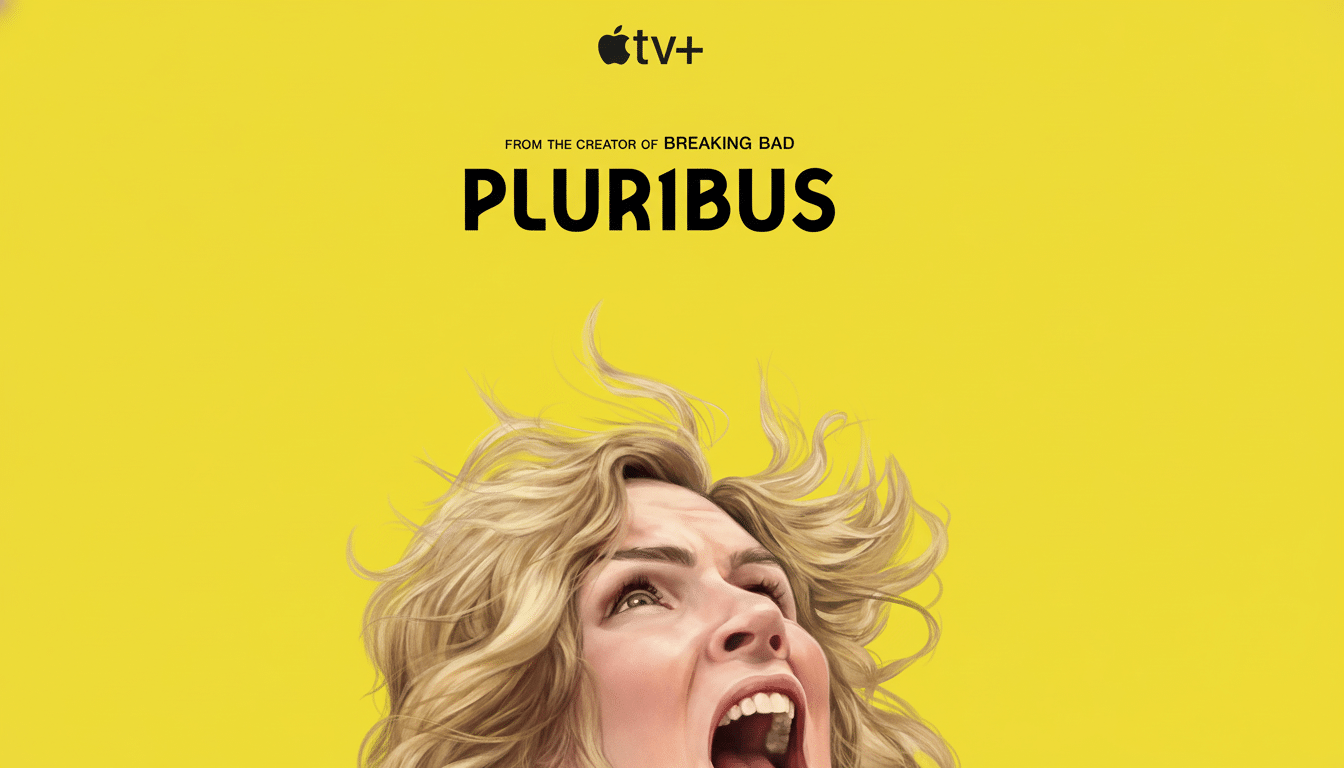
Pluribus is now Apple TV+’s biggest show ever, says the company in an unusual moment of a tech giant spouting superlatives about its data (which it typically keeps locked down). The dystopian thriller from creator Vince Gilligan and star Rhea Seehorn has paced ahead of prior tentpoles Ted Lasso and Severance, says Apple.
The streamer commemorated the occasion with an in-world nod to the series’s tone, posting a playful clip to its Instagram account that mirrors the show’s solitary-celebration theme. The announcement arrives as the first season races toward its conclusion, pushing forward on audience buzz and weekly cliffhangers to build momentum.
Why This Milestone Matters for Apple TV+ and Viewers
A breakout hit makes it easier for Apple TV+ to sharpen its identity among increasingly crowded competition. Apple’s strategy has tended toward a select few, prestige dramas rather than volume, making it important that there are certain runaway successes to lead with so that customers keep their subscriptions and the platform’s star-first slate feels worthwhile.
Some in the industry have observed that Apple’s originals punch above their weight when it comes to “demand share” — or audience interest — as measured by firms such as Parrot Analytics. Apple doesn’t release hours viewed, but thanks to the power of third-party indicators and awards attention, the brand has still been part of the prestige conversation without an extensive library.
Describing Pluribus as the “most watched” also suggests not just a hit, but a possible new high-water mark for the service — useful leverage for Apple as it woos top talent and negotiates global distribution, merchandising, and brand partnerships tied to its originals.
Inside the Pluribus Phenomenon Driving Apple TV+
Pluribus arrives with formidable pedigree. Gilligan, whose work has had a hand in shaping modern television, teams again with Better Call Saul standout Rhea Seehorn. The series’ hook — a world united in a single hive mind, with just a smattering of “unjoined” outliers — marries high-concept sci-fi to character-driven stakes.
Areas where the choices seem to be driving engagement include: first of all, a weekly release rhythm that encourages collective theorizing and social buzz across episodes instead of a one-weekend binge; and second, a mystery architecture that pays off in emotional beats as much as plot reveals, appealing even to those who are not genre diehards.
And the show’s mythology also seems tailor-made for cultural conversation: questions about autonomy, consent, and connection can be cleanly mapped onto real-life debates over algorithms, social identity, and collective decision-making. That echo frequently translates as prolonged word-of-mouth, the lifeblood of serial hits.
The Murky Math of Streaming Records and Metrics
Statements like “most watched ever” are muscular, but meaningless without methodology. Streamers can measure success based on total hours viewed, average minutes per account, unique households sampling a title, or global completion rates. Such measures can easily declare opposing victors.

Apple doesn’t generally report hard numbers on milestones. There are creative professionals all over the industry talking about a lack of access to platform-specific dashboards, and that’s not just Apple. Accordingly, while Netflix has publicly released global hours viewed by title since 2019, Prime Video has outlined plans for completion-based measures.
In this context, Apple’s assertion is most plausibly interpreted as a platform-wide record by its internal measure — credible evidence on that remains limited to what can be found elsewhere. Sidebar numbers from independent trackers like JustWatch, showing Apple originals spiking in weekly popularity rankings during new-episode windows, provide circumstantial support.
Ripple Effects for Apple TV+ Across the Platform
A true phenomenon can buoy the catalog overall. Those who show up for Pluribus may sample neighboring hits like Severance, Silo, Slow Horses, and Hijack, creating deeper engagement and lowering churn. And that halo effect is particularly valuable for a service that programs fewer, and disproportionately more expensive, series.
It also further bolsters Apple’s awards-season story. Now embedded in the awards-season scene, Seehorn is at the center of a performance-forward campaign, and Gilligan’s brand of precision storytelling appeals to guild voters. Recognition can also translate to a lasting second-wave audience as newcomers play catch-up.
On the business side, a record-setter makes it easier to justify larger marketing bets and multi-season planning for a show. Apple has increasingly doubled down on premium franchises and high-end genre plays; a data-based win provides executives cover to keep pouring resources into distinctive, creator-led worlds.
What to Watch Next as Pluribus Nears Its Finale
With the season’s conclusion drawing near, anticipate theories to peak and rewatch rates to surge as viewers scour for planted clues. If Apple follows its usual playbook, expect curated behind-the-scenes content and interviews with the cast to keep conversation going through the window when the finale becomes available.
What remains to be seen is how Apple converts a breakout series into sustained hits: lower-cost subscriber bundles, earlier access, smarter recommendations for complementary series, and maybe live or experiential tie-ins could stretch Pluribus off-screen. For the moment, the message is simple: The show is a legit hit, and Apple wants people everywhere to know it.
