


Apple is reportedly lining up a burst of hardware for March, with a new iPhone 17e, refreshed iPads, and updated MacBooks all on deck. The outlook comes from Bloomberg’s Mark Gurman, whose track record on Apple roadmaps is among the most reliable in the industry. While Apple has not announced an event, the guidance points to an early-March reveal, potentially via press releases rather than a stage show.
Spring has become Apple’s quiet-but-impactful window. In March 2022, for instance, Apple introduced iPhone SE, iPad Air, Mac Studio, and Studio Display—proof that March often delivers substantive updates rather than minor housekeeping.
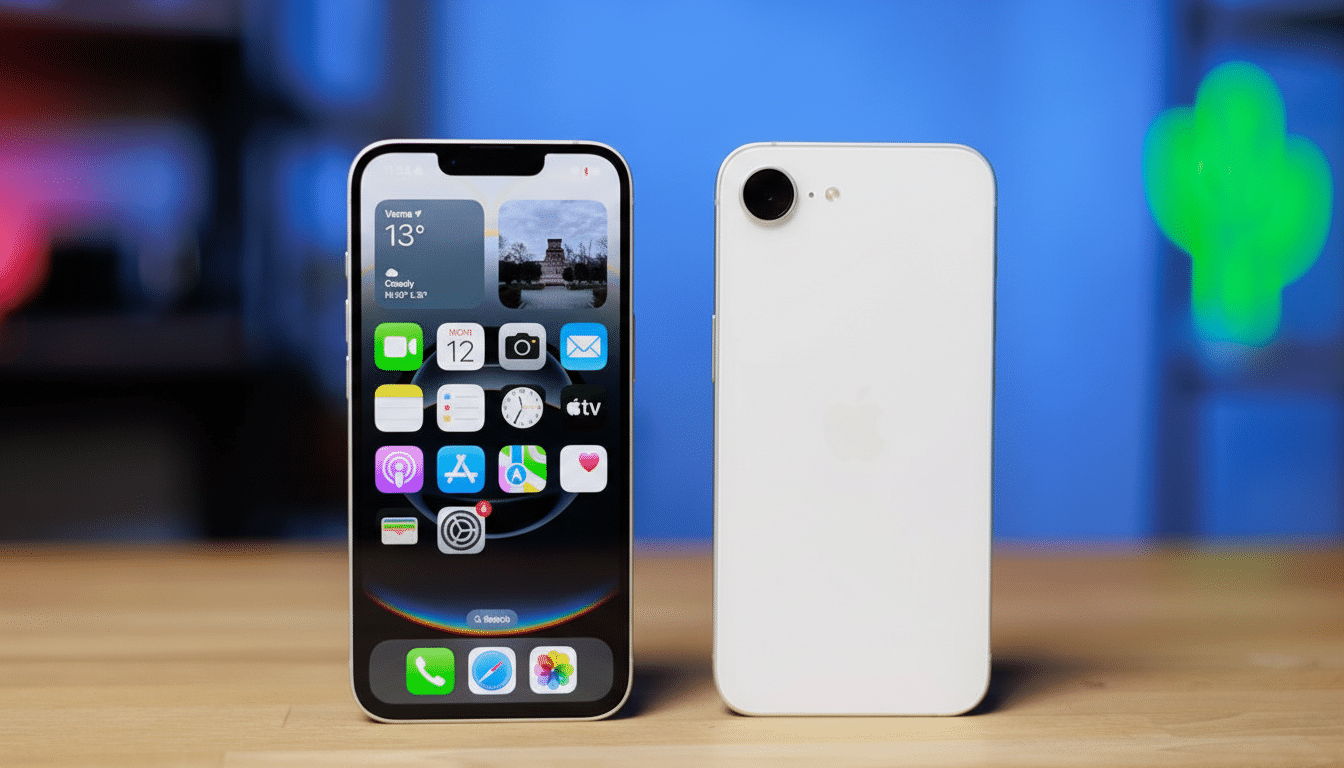
iPhone 17e Targets Value With Flagship Silicon
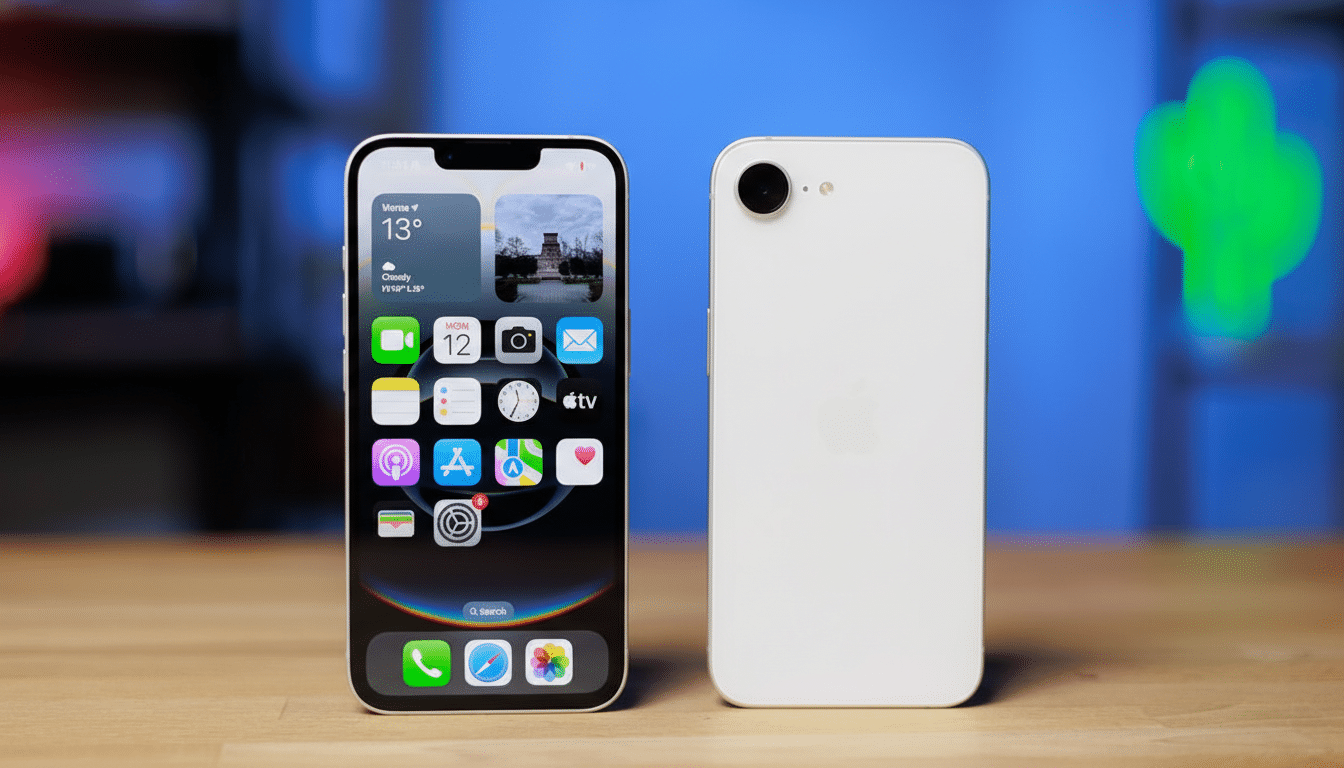
The headline act is a new iPhone 17e. Gurman reports it is “due imminently,” pairing Apple’s next A19 chip with MagSafe at an expected $599, the same price point last year’s e-model hit. If accurate, it’s a notable value play: flagship-class silicon trickling down to a mainstream phone without a price hike.
Beyond raw speed, a current-generation processor matters for longevity. Apple typically furnishes iPhones with many years of iOS and security updates, and a more advanced SoC often extends that runway. Expect the 17e to emphasize battery life and core camera quality rather than pro-level features, targeting upgraders who want modern Apple software and MagSafe accessories without edging into premium pricing.
iPad Air And Base iPad Poised For Apple Intelligence
On tablets, Gurman points to two updates: an entry iPad moving to the A18 and a new iPad Air powered by M4. That split tracks with Apple’s current strategy—reserve the most ambitious chips for Air and Pro models while ensuring the baseline iPad stays capable for school, home, and front-line work.
The A18 in the base iPad would be consequential if it enables Apple Intelligence, the company’s on-device AI suite introduced at WWDC 2024. Apple has said those features require A17 Pro or M-series chips; migrating the starter iPad to A18 would clear that bar. For the Air, an M4 would bolster neural processing throughput, media engines, and sustained performance—useful for creative apps and heavy multitasking—while keeping the price below Pro territory.
The iPad line remains strategically important. Industry trackers like IDC have consistently ranked Apple as the top tablet vendor, and bringing AI features to more price points would help defend that lead as Android and Windows tablets lean into their own AI upgrades.
MacBook Air And Pro Refresh On Apple Silicon Cadence
On the Mac side, Gurman expects new 14-inch and 16-inch MacBook Pro models and a refreshed MacBook Air, with the Air rumored to adopt an M5 processor. Apple Silicon’s cadence—M1 in 2020, M2 in 2022, M3 in 2023, M4 debuting in 2024’s iPad Pro—suggests another architectural step is plausible for 2026 laptops.
What would a next-gen chip deliver? Look for efficiency first. Apple has repeatedly converted process gains into longer battery life at the same (or higher) performance. Expect beefier neural compute for on-device AI, plus incremental advances to media engines that accelerate high-res video workflows. A MacBook Air with that profile could be a standout travel machine for students, developers, and editors who value silence and stamina over discrete graphics.
Mac Studio And Studio Display Remain In Play
Gurman also flags a new Mac Studio and updated Studio Display as possibilities for the same window or the first half of the year. The last big spring leap here came in 2022 when Apple introduced Mac Studio and the 5K Studio Display. A refresh would cater to creators who need more I/O, more GPU headroom, and color-accurate panels without paying Pro Display XDR prices.
A Budget MacBook Could Upend Entry-Level Buying
The wild card is a lower-cost MacBook with a 13-inch display and an iPhone-class chip, allegedly priced below $1,000. If Apple can hit that mark, it would finally give first-time Mac buyers and schools a modern alternative to entry Windows laptops and Chromebooks.
That matters in education. Analysts at Futuresource Consulting have long noted Chromebook’s dominance in U.S. classrooms on the strength of price and fleet management. A truly affordable MacBook—paired with Apple School Manager and the expanding catalog of universal apps—could shift procurement conversations, especially for districts already deep in the iPad ecosystem.
Timing And Key Tells To Watch For Apple’s March Launches
Apple often drops spring hardware via newsroom posts early in the week, with review embargoes following shortly after. A tell that new devices are close: filings appearing in the Eurasian Economic Commission database and retail channels tightening inventory on outgoing models.
For now, treat the lineup as well-sourced but unannounced. If Gurman’s guidance holds, March could bring a rare trifecta: a value-focused iPhone with flagship DNA, iPads readied for Apple’s AI era, and Macs that push battery life and neural performance forward—all without straying from Apple’s playbook of deliberate, silicon-driven updates.
