


Apple is preparing a new privacy control in iOS 26.3 that limits how precisely your iPhone appears on the cellular network. The catch is significant: at launch, only a small subset of devices and a handful of carriers will support it, leaving most iPhone owners on the sidelines.
What Limit Precise Location Actually Does
Called Limit Precise Location, the setting reduces the granularity of location data available to your mobile operator. Instead of letting the network infer an address-level fix, Apple says the carrier may only see a general area, such as a neighborhood. That dial-down applies to network-level positioning, not to apps or services you explicitly permit through Location Services.
Apple also notes the control will not degrade signal quality, call performance, or emergency services. Your iPhone will still share highly accurate location with first responders when needed, and features like Find My or family location sharing remain unaffected.
Who Can Use It at Launch: Devices and Carriers
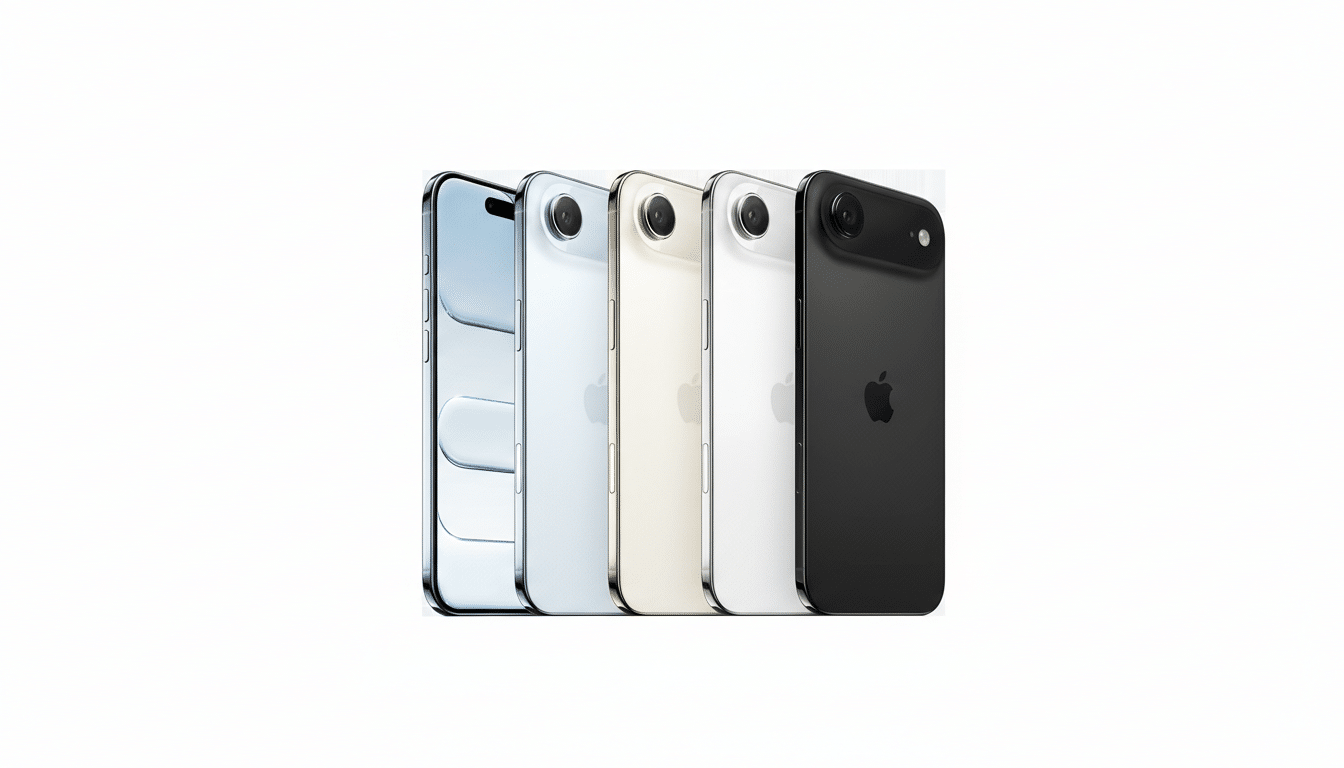
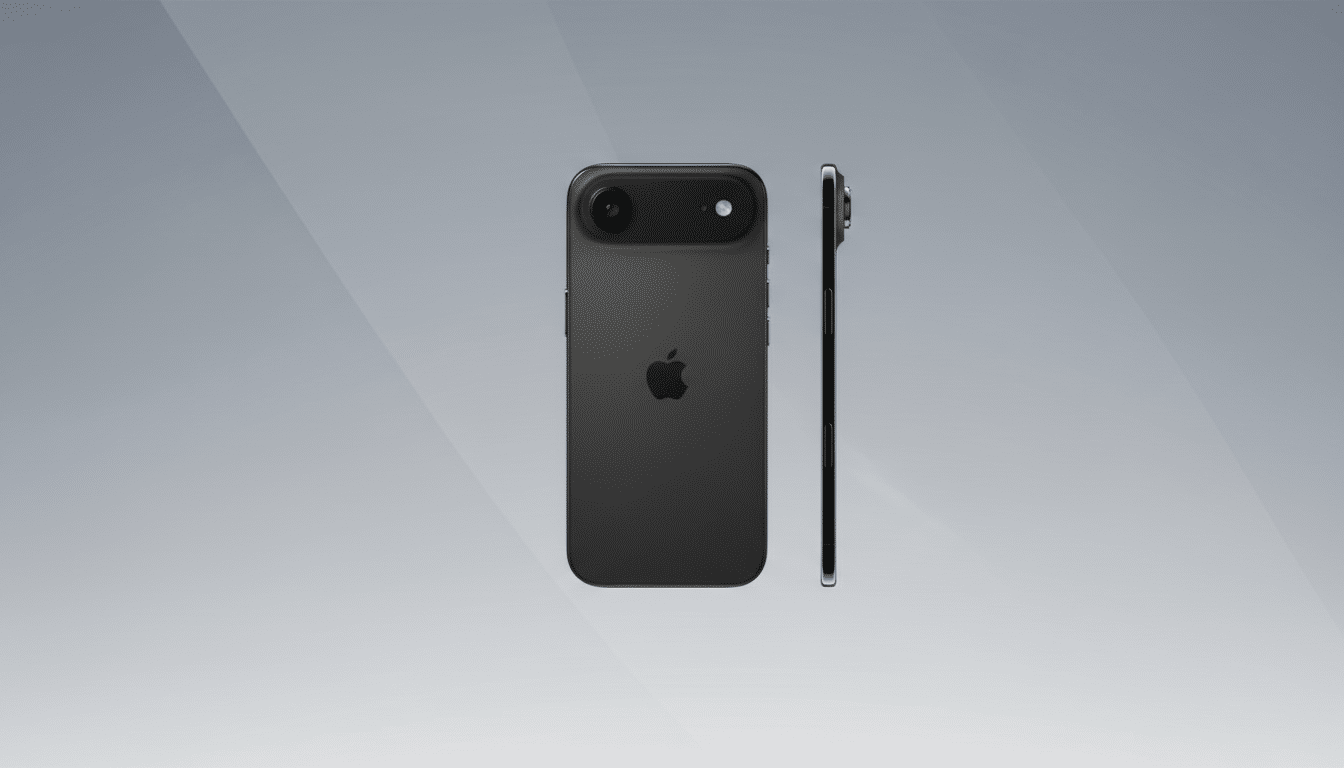
Support is restricted to devices with Apple’s C1 or C1X cellular modem, which currently includes the new iPhone Air, iPhone 16e, and the cellular version of the iPad Pro M5. If your iPhone runs an older modem, the toggle will not appear after updating to iOS 26.3.
Carrier availability is even tighter. In the US, Boost Mobile is the first confirmed partner. Apple says compatible carriers are also live in Germany, Thailand, and the UK, but only six operators worldwide are on board at debut. That means a large majority of users won’t see the feature until more networks enable it.
Why Carriers Matter for This Privacy Feature
Although the switch lives in iOS, the effect depends on carrier-side support. Network location comes from how your phone and towers communicate—cell ID, timing information, and 5G positioning signals governed by 3GPP standards. While Release 16 and later specs enable meter-level accuracy in ideal deployments, real-world precision varies widely by network build and features carriers actually turn on.
Limit Precise Location effectively constrains what the modem and network share or store, making the footprint more coarse by design. To honor that, carriers must update policies and provisioning in the core network. That’s why the rollout hinges on operator-by-operator adoption, not just Apple’s software release cadence.
What This New Network Location Setting Does Not Change
This is not another app permission prompt, nor does it change how maps, ride-hailing, or fitness apps access GPS when you allow them. It specifically governs the precision available to the cellular network.
It also leaves emergency location untouched. Apple’s emergency location stack—which fuses GPS, Wi-Fi, and other signals and can route data through partners like RapidSOS—continues to deliver high-accuracy coordinates to 911/E112 where supported. That balance is the core promise: stronger everyday privacy without weakening safety.
Why This Carrier-Level Location Control Matters for Privacy
Carrier-derived location has long been a flashpoint. Digital rights groups such as the Electronic Frontier Foundation have warned that network-level location can be used for tracking without the same user-facing prompts seen with apps. In the US, the Federal Communications Commission proposed more than $200 million in fines in 2020 related to carriers’ improper sharing of location data with third parties, underscoring regulatory concerns around this category of information.
At the same time, next-generation 5G positioning can become extremely precise in some configurations. That technical capability is helpful for emergency services and network optimization, but it raises the stakes for privacy-by-default controls. Apple’s feature aims to nudge that balance toward user protection—assuming your hardware and carrier keep up.
Rollout Outlook and Practical Advice for iPhone Owners
Expect a staggered expansion. More carriers are likely to add support over time, and future Apple devices with the C1/C1X family (or successors) should inherit the switch. For now, check with your operator before counting on it, even if you own a compatible model.
Once iOS 26.3 lands on your device, look for Limit Precise Location in your cellular settings. If you don’t see it, your hardware or carrier likely isn’t supported yet. The idea is simple and overdue: the network doesn’t need a street address to keep your phone connected. When more of the ecosystem agrees, this small toggle could deliver an outsized privacy win.
