


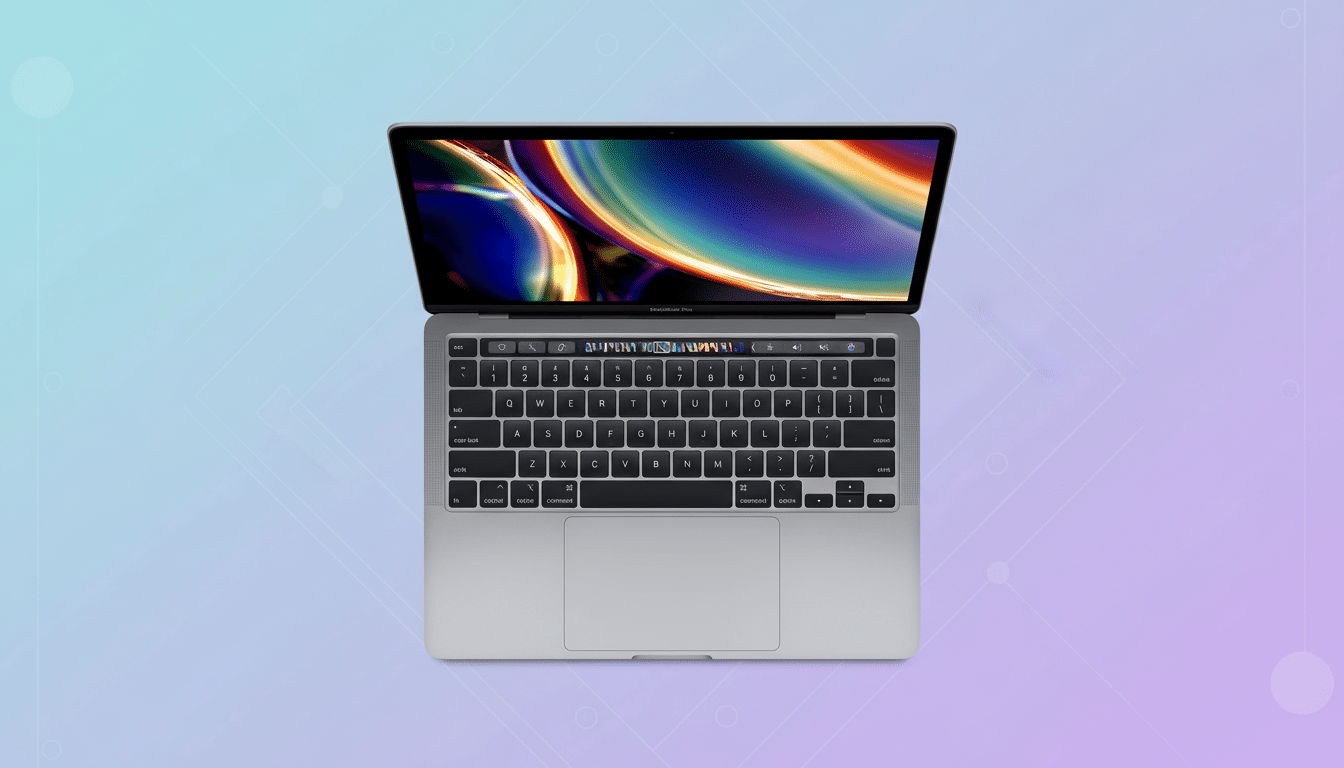
Apple appears to be lining up new MacBook Pro models built around M5 Pro and M5 Max silicon, signaling an imminent arrival for creators and developers who have been waiting on a more muscular follow-up to the latest 14-inch refresh.
Why Timing Points To an Imminent MacBook Pro Launch
Industry watchers have zeroed in on Apple’s newly introduced Creator Suite — a subscription that bundles pro-grade tools such as Final Cut Pro and Logic Pro — as a tell that new hardware is close. Macworld has noted Apple’s habit of pairing major pro software news with fresh MacBook Pro configurations, a pattern that has held across multiple generations of Apple silicon.
Another clue is cadence. Apple often rolls out pro Macs midweek via newsroom drops and quiet site updates, especially when the story is about performance gains rather than a visual redesign. None of this guarantees a launch, but the alignment of software, schedule, and market appetite makes the case stronger than usual.
What To Expect From M5 Pro And M5 Max Upgrades
Don’t expect a radical re-think of the chassis. Expect a silicon-first update: more CPU performance cores, higher GPU core counts, and faster media engines, paired with a more capable Neural Engine for on-device AI workloads. The 14-inch model with base M5 already sets a baseline; the Pro and Max variants should push sustained performance, especially in multicore and GPU-bound tasks.
Memory and bandwidth matter as much as raw clocks for pro workflows. The Max tier has historically offered the highest unified memory ceilings and the fattest memory buses; it would be unsurprising to see configurations that match or exceed the current top tiers while maintaining blistering internal bandwidth. Expect robust external display support on Max — previous generations handled multiple high-resolution displays without drama — and expanded hardware acceleration across ProRes, H.264/HEVC, and AV1 decode.
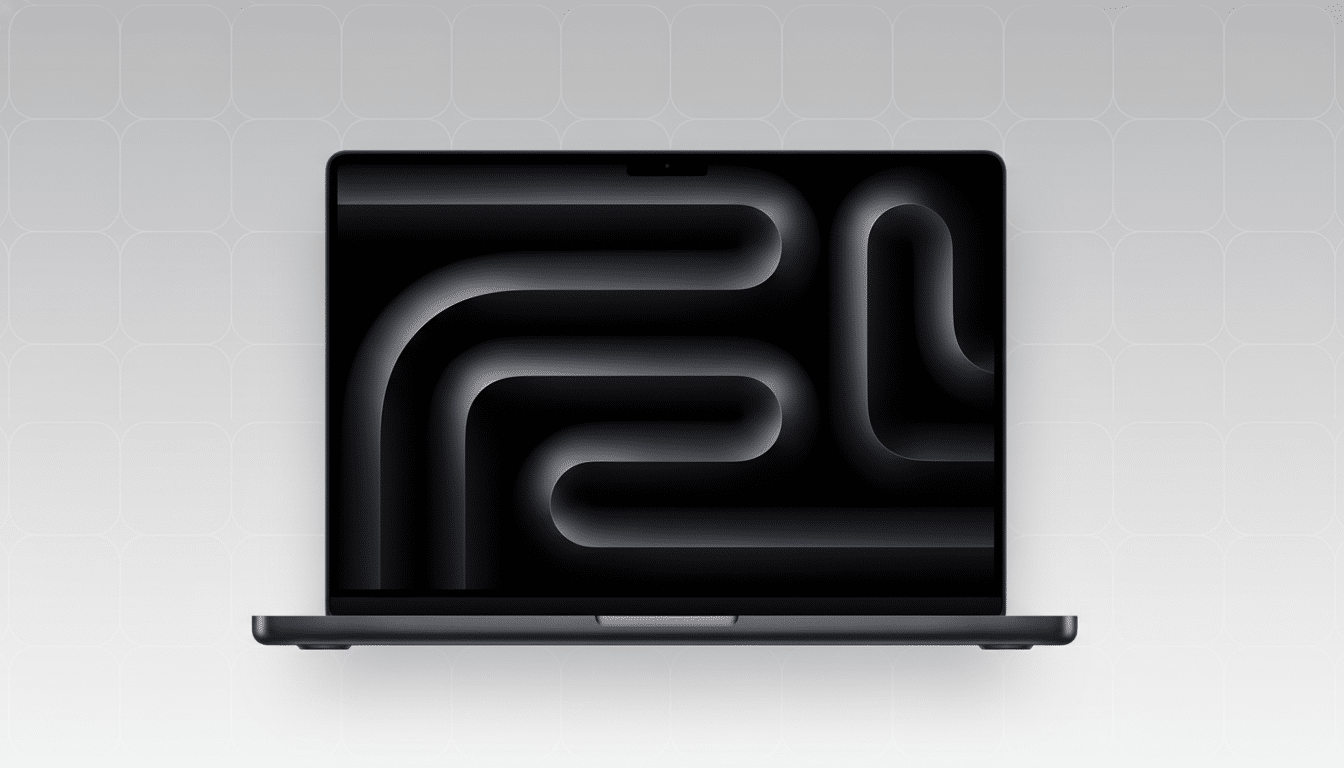
The 16-inch design in particular is the sleeper feature for power users. Its larger thermal envelope allows the chips to run fast for longer, with quieter fans and fewer throttling events during heavy compiles, 3D renders, or long multicam edits. For many pros, that sustained headroom matters more than peak benchmark numbers.
Performance Expectations And Real-World Impact
With Apple silicon, each Pro/Max generation has delivered meaningful, if not always flashy, uplifts in CPU throughput, GPU compute, and media acceleration. In practice, that can translate to shorter 8K exports in Final Cut Pro, snappier timeline scrubbing in Resolve with heavy noise reduction, faster Xcode builds on large projects, and speedier local ML inference for models running through Core ML.
ProRes acceleration remains a signature advantage — editors can pile on effects and multicam angles while staying in a power-efficient pipeline. And as Apple’s Neural Engine grows more capable, expect better performance for speech-to-text, background removal, photo upscaling, and other AI-assisted tools that are increasingly embedded in creative and developer workflows.
How It Fits Into The Broader Mac Strategy
This move would round out the latest MacBook Pro family after the initial M5 entry, giving buyers a clear step-up path for heavier workloads. It also dovetails with Apple’s push to deepen ties with the creator economy by bundling high-end software in a subscription, an approach that keeps users current on features while giving new hardware an immediate showcase.
Market context favors a quick turn, too. Research firms such as IDC have noted that premium notebooks continue to outperform the broader PC market, with creative pros and developers driving demand for high-performance, power-efficient systems. A fresh 16-inch MacBook Pro anchored by M5 Max would put Apple squarely in that sweet spot.
What To Watch For In The Next MacBook Pro Update
Key signals will include whether Apple nudges unified memory ceilings higher, adds AV1 encode to the media engine, brings Wi‑Fi 7 to the Pro line, or expands external display limits on the Pro tier. Also watch for battery life claims that maintain the MacBook Pro’s long-runtime reputation even under heavier GPU loads, and for pricing that tracks with current Pro/Max configurations.
If the pattern holds, the announcement could arrive quietly but decisively — and for anyone holding off for the most powerful MacBook Pro, the wait looks nearly over.
