


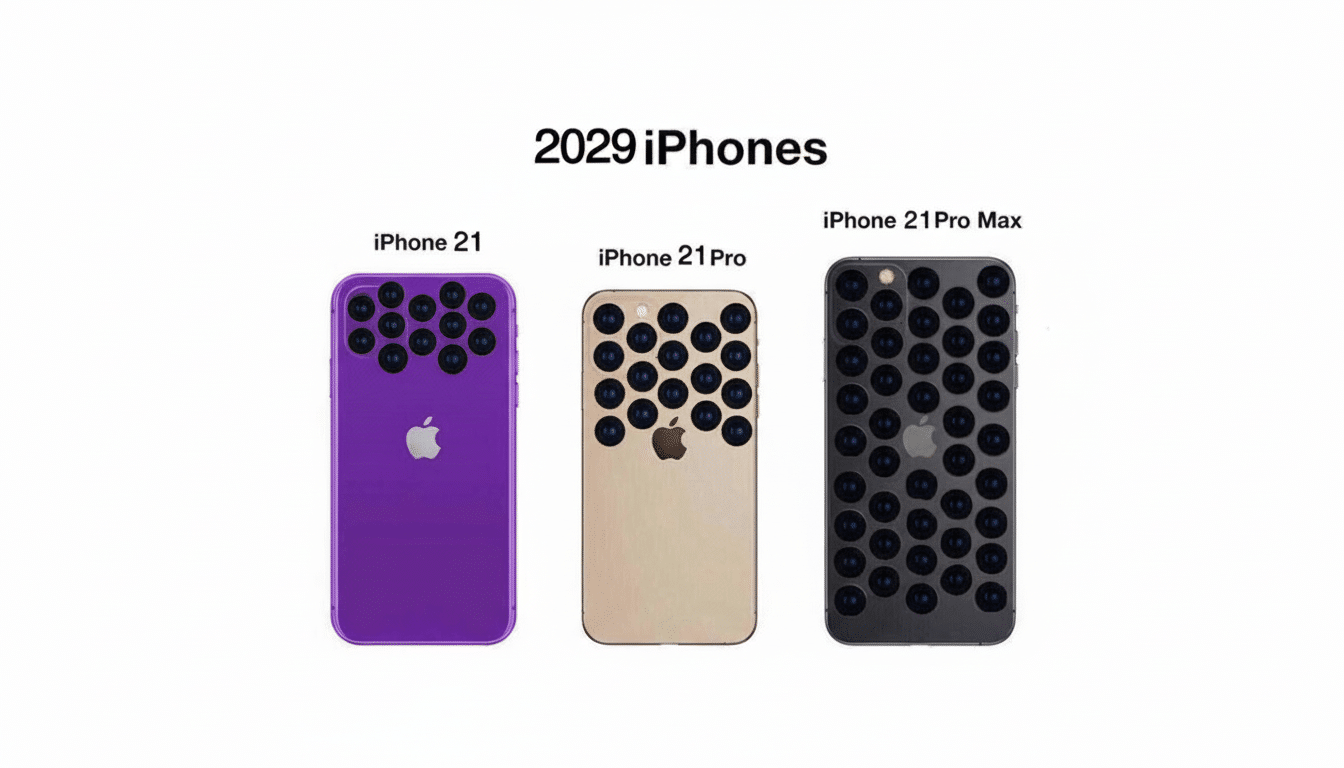
Apple is said to be readying a 200MP camera for an upcoming generation of the iPhone, a move that would mimic one of the standout features made most famous by Samsung’s Galaxy S23 Ultra. A report from a Morgan Stanley analyst says the higher-resolution sensor is destined for the iPhone 21 series, indicating Apple may hold off while Android rivals still rely on it for main and telephoto shooting.
If true, this would further a well-trodden Apple approach: wait until supply chain, software pipeline and real-world usages intersect before launching the feature at scale. Android flagships from Samsung, Motorola, Xiaomi, vivo and OPPO (among others) can already feature 200MP sensors with a noticeable edge in hybrid zoom and detail recording.
What Morgan Stanley Signals About Apple’s 200MP Plans
Morgan Stanley’s note, which was later reported by AppleInsider, cited supplier diversification as a key factor behind the decline. Until recently, Samsung was pretty much the only game in town for 200MP smartphone sensors, particularly with its ISOCELL series like the HP2 found in the Galaxy S23 Ultra. Sony, meanwhile, has brought 200MP to its LYTIA line of hardware, like the high-end LYT-901, and would give Apple more bargaining leverage to dual-source/partition and bring costs down.
Meanwhile, popular tipster Digital Chat Station has claimed that Apple is considering a 200MP sensor that is being manufactured by Samsung. The chatter falls short of specifying which model would receive it, but between that and the Morgan Stanley guidance, this reads to me as a plain message: Apple wants additional suppliers in place before flipping the switch.
Why 200 MP Matters Beyond Marketing Claims and Use
200MP on paper sounds like a spec-chasing headline if I’ve ever heard one.
In practice, the sensors allow two key advantages: good-quality pixel binning and a versatile in-sensor zoom. The majority of 200MP phones by default capture binned images—that is, combining several pixels into one for brighter and cleaner 12MP–50MP shots with better noise control and dynamic range. In the HP2 from Samsung, for example, 16-to-1 binning produces an extremely high-quality large-pixel image without giving up the option to make ultra-detailed images whenever light permits.
The other advantage is hybrid zoom. With so many pixels, phones are able to crop in by 2x to 4x from the main camera while preserving high detail, sidestepping the soft quality often associated with digital zoom. Some brands go towards the other end of the telephoto perspective: OPPO has said that the Find X9 Pro’s 200MP 3x camera can produce lossless zoom to 13.2x, and vivo’s partnership with Zeiss in the X100 Ultra pairs a 200MP sensor to a 3.7x periscope design for impressive range. Such an approach can enable one to minimize numerous specialized zoom lenses or cumbersome variable optical modules.
How Apple Might Pull Off a 200MP Camera Transition
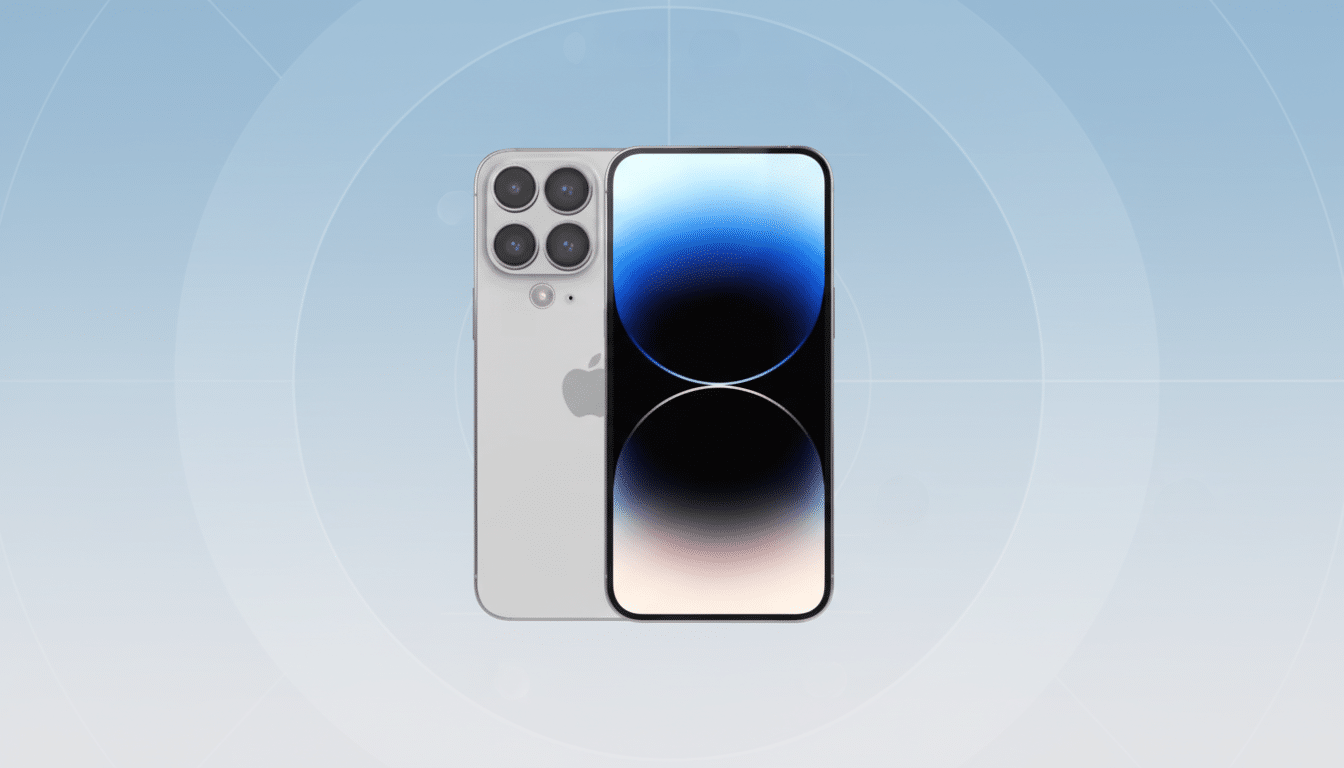
It’s an obvious one that Apple has to make the main wide, or relegate it to a telephoto. And a 200MP wide camera could turbo-charge the company’s popular in-sensor 2x mode, perhaps taking it all the way out to 3x or even 4x with fewer of the attendant trade-offs. It would also allow ProRAW shooters more cropping headroom without crushing detail.
Or a 200MP telephoto lens in particular—a 3x or 5x optical lens especially—could offer the best of both worlds: shooting at higher ISOs with large effective pixels thanks to binning, and at longer focal lengths extending your “lossless” reach by cropping that super-dense sensor down. That would put it in line with Apple’s design focuses—stripping away moving parts while still rivaling or surpassing the zoom flexibility found in Android rivals.
The gating factors are familiar. Missions with even higher-resolution sensors will require greater image signal processing yield, also increased memory bandwidth and strict thermal budgeting. Apple’s custom silicon and ISP are powerful, but squeezing out the same quality over 200MP—in every lighting situation—would have to be deeply integrated into company-wide Photonic Engine, Deep Fusion, and HDR pipelines. The full-resolution file sizes and capture latencies of still images also need to be tamed in order to meet Apple’s responsiveness requirements.
The Competitive Stakes for Apple’s 200MP iPhone Move
Waiting maintains an Android manufacturing advantage on paper. Samsung can tweak its ISOCELL array, Sony can go all in on the selfie space via stacked 200MP offerings, and Chinese brands can continue to develop new periscope designs. But Apple seldom follows specs for their own sake. It ends up sacrificing headline numbers for the sake of consistent, repeatable imaging results—a decision that appears to be compelling to customers.
And despite this sensor size, Apple has been leading the world when it comes to premium smartphone shipments with 70%+ share of the market (Counterpoint Research), further highlighting that sensors are not as much about size as they are processing and dependability. If Apple shows up with a fully mature 200MP system, it could immediately reset the baseline for hybrid zoom range and detail fidelity in everyday shooting—where the vast majority of users will notice.
Bottom Line on Apple’s Path to a 200MP iPhone Camera
The Galaxy S23 Ultra played a part in making 200MP mainstream, and it’s starting to look like Apple will follow with its own thoughtfully done take. The timing depends on diversification of suppliers and Apple’s fetish for end-to-end polish. When it does arrive, I’d be willing to bet on better binning for smarts, cleaner 2x–4x crops and a leap in telephoto versatility—less about chasing megapixels, more about redefining how iPhone users zoom, crop and share without even thinking about the tap.
