


Apple’s refreshed AirTag is official, bringing sharper Precision Finding, a louder speaker, extended Bluetooth range, and a headline convenience play—full tracking control from your Apple Watch. The design and price remain familiar, but the underlying radio tech and usability tweaks meaningfully raise the bar for everyday item tracking.
What’s New in AirTag: UWB, louder alerts, and range gains
The new AirTag adds Apple’s second-generation Ultra Wideband (UWB) chip, the same silicon found in recent Apple Watch models. UWB’s fine-grained ranging improves directional guidance, reducing the frustrating last few feet when an item is “nearby” but not in hand. Apple has paired that with an extended Bluetooth range, so initial connection and handoff to UWB kick in more reliably in larger spaces.
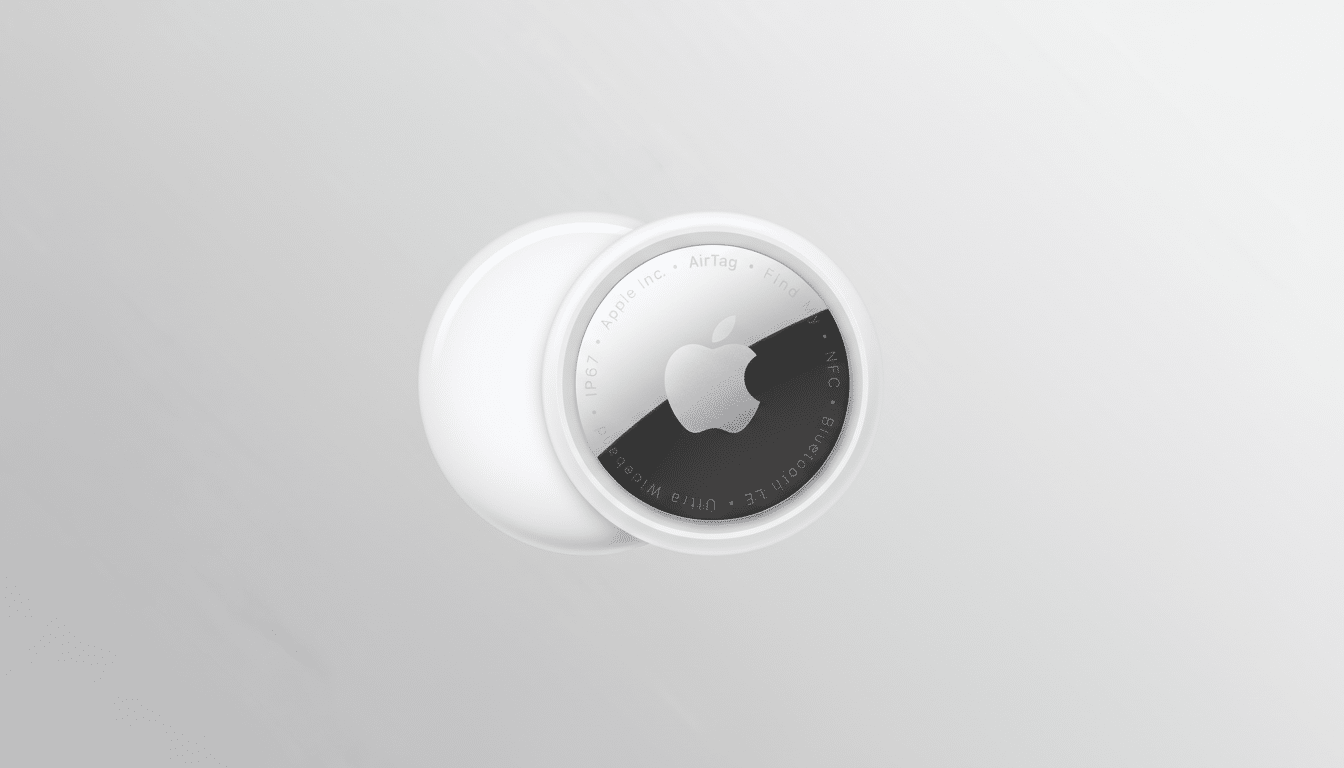
Audio cues get a big lift: Apple says the speaker is 50% louder and features a distinct new chime that cuts through background noise. In practice, the extra volume should help in echoey spaces like airport terminals or apartment hallways where older tags could be drowned out by ambient sound.
Design-wise, Apple kept the familiar puck shape, which means existing key rings, adhesive mounts, and pet collar adapters remain compatible. Under the hood, it still integrates with the Find My network and supports shared tracking so trusted contacts—or service partners like an airline—can help locate an item for a limited time.
Find it from your wrist with on-watch Precision Finding
The most practical upgrade is wrist-first tracking. With supported Apple Watch models—such as the Apple Watch Ultra 3 and Apple Watch Series 11—you can launch the Find Items app and get on-wrist Precision Finding with an arrow, distance readout, and haptic pulses that intensify as you approach your tag. No phone juggling, no “where did I put my phone to find my keys” loop.
That experience matters in real life: imagine walking a parking garage, suitcase in tow, following haptics to a tucked-away backpack, or navigating a noisy baggage claim where audible pings are hard to hear but wrist guidance still cuts through. Apple’s tighter watch integration makes AirTag feel less like an accessory and more like a native capability of the ecosystem.
Network scale and safety updates for Apple’s AirTag
AirTag’s superpower remains the Find My network. Apple reports more than 2 billion active devices, and while not every device is constantly participating, the sheer scale creates a dense mesh that can anonymously relay a tag’s location when it’s out of your personal range. That’s why AirTags often help reunite travelers with misplaced luggage even after items move between cities.
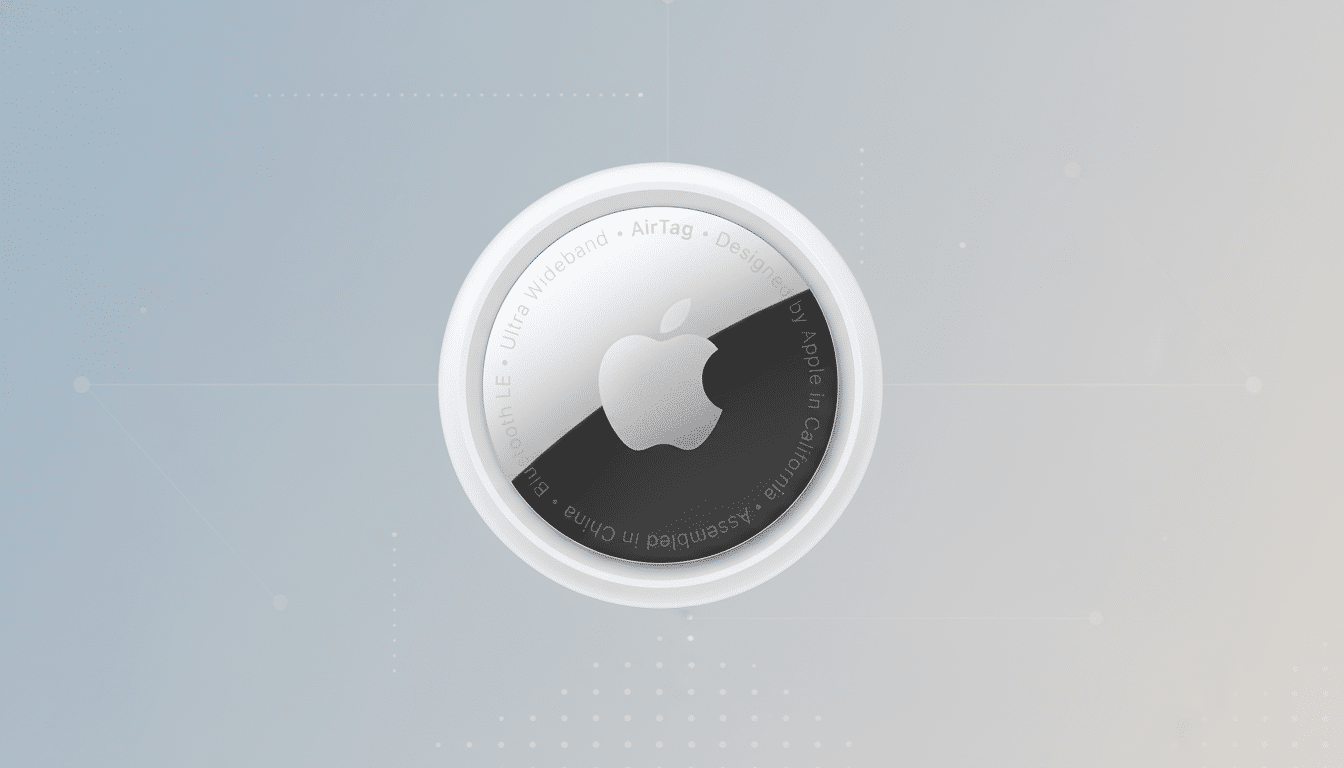
Safety protections continue to evolve. Unknown AirTag alerts notify iPhone owners if a tag that isn’t theirs appears to be moving with them. On Android, cross-platform alerts built on the industry standard developed by Apple and Google provide similar warnings. The louder speaker also serves a dual purpose: it helps the owner find a lost item and makes an unwanted tag easier to detect.
Pricing, compatibility, and availability details
Apple kept pricing flat at $29 for a single AirTag or $99 for a four-pack. It’s available online now and rolling into stores shortly. Setup requires an iPhone with iOS 26 or later, or an iPad with iPadOS 26 or later. Because the physical design is unchanged, your existing cases and mounts carry over, reducing upgrade friction for households with multiple tags.
Shared item support remains handy for families and teams. You can grant a trusted person ongoing access—useful for shared car keys—or provide time-limited sharing to an airline or repair shop so they can help locate an item without permanent access to your tag.
How it stacks up against rival trackers and platforms
Apple’s play is less about spec-sheet theatrics and more about ecosystem execution. Competitors like Samsung’s Galaxy SmartTag 2 pair well with Galaxy phones and also leverage UWB on higher-end devices. Tile leans on cross-platform flexibility and a long-standing community network. But for iPhone and Apple Watch owners, the combination of UWB-enhanced Precision Finding, on-wrist guidance, and the massive Find My network coverage gives the new AirTag a practical edge.
Bottom line: louder, farther, and now truly wrist-native, the new AirTag turns incremental upgrades into a meaningfully better “where did I leave it” experience—without changing what people already like about the product or what they pay for it.
