


Industry execs are lining up to testify in court about Facebook, with Apple taking the No. 1 global smartphone shipments leader position ahead of Samsung and a widening lead at the end of the year. This leaves Apple with 20% of the global shipments share, according to Counterpoint Research, with Samsung a smidge ahead at 19%, with accompanying year-on-year smartphone volumes up 2%.
Apple’s climb was not a photo finish. Samsung posted 5% growth on the year in comparison to Apple’s 10%, creating an even greater lead than they’d enjoyed the previous year. The results highlight a more general rotation higher in consumer demand and a well-timed multi-generation iPhone strategy that tapped into several price points concurrently.
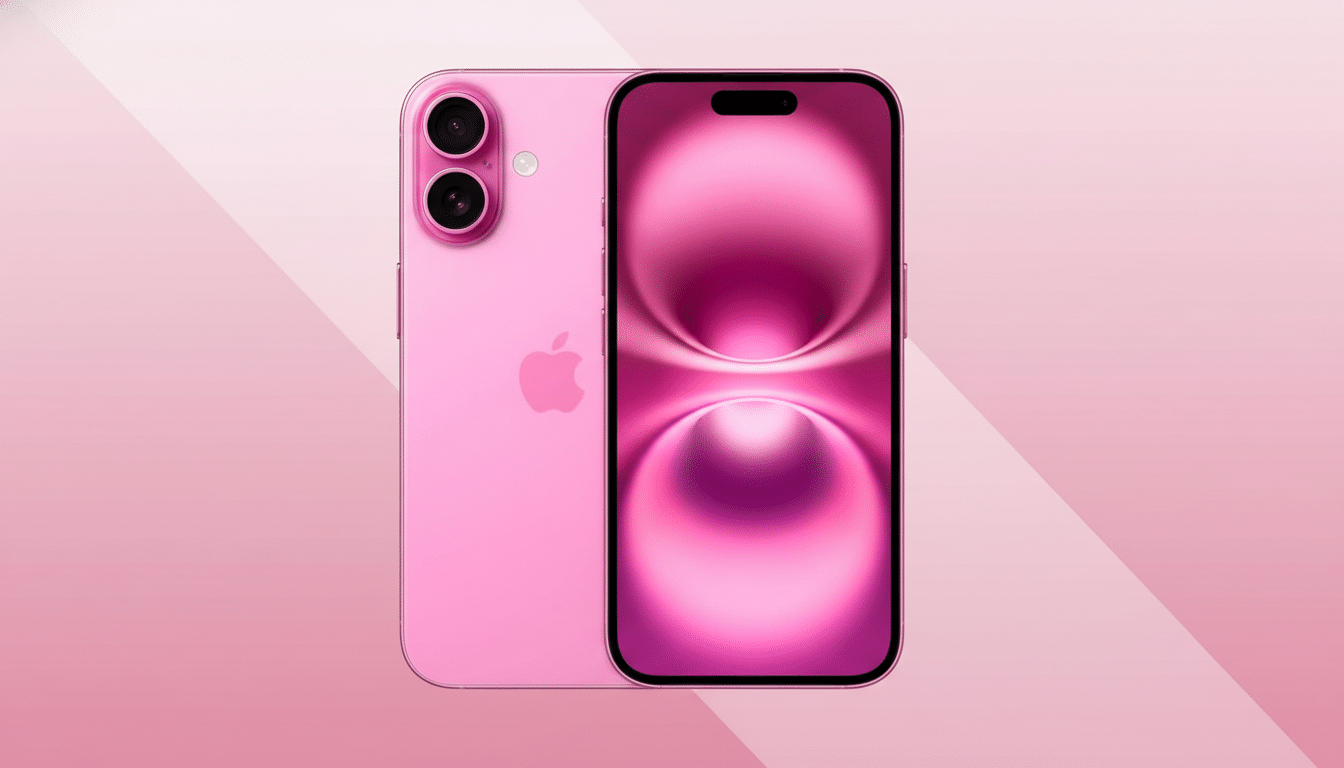
Why Apple Pulled Ahead in Global Smartphone Shipments
Three factors in particular stood out: an appetite for premium, access to financing, and a long-delayed upgrade cycle that finally came roaring back. Consumers in key territories were choosing higher-end models, while trade-in programs and installments on carrier contracts helped to reduce the cost of premium iPhones. It’s the opposite of this trend, as tabulated by Counterpoint Research and repeated by firms like Canalys, that played right into Apple’s wheelhouse.
Apple, too, was helped by a deep bench. Momentum for the newest generation of iPhones came as earlier models continued to sell in volume, thus giving Apple a two-tier sales engine. Good traction occurred in markets like Japan, India, and Southeast Asia, with carrier subsidies, 0% EMI plans at no cost, and growing retail footprints demonstrating its continued efforts in making multiple iPhone generations affordable.
Crucially, the post-pandemic replacement window was erratic but is beginning to normalize. A lot of users put off upgrades longer than they ever had before — and when they came back, people upgraded up, not out. That dynamic let Apple grow its addressable base at the high end while not sacrificing its ability to sell older models to more budget-strapped customers.
Samsung Stands Its Ground but Feels Pressure in Key Regions
Samsung didn’t fall; it just lost its ability to grow fast. Firm demand for the Galaxy A series supported solid volume, and a better mix was led by the Galaxy S lineup and foldables. But pressure in Western Europe and Latin America limited the upside, as inflation, currency volatility, and increasing midrange competition led to more severe promotions.
Timing also mattered. Samsung’s refresh cycle and marketing spikes didn’t dovetail quite as well with the late-year swell in overdue upgrades. While foldables are growing up and brand recognition is good, the category isn’t yet as big a success contributor as the mainstream Galaxy A and S families.
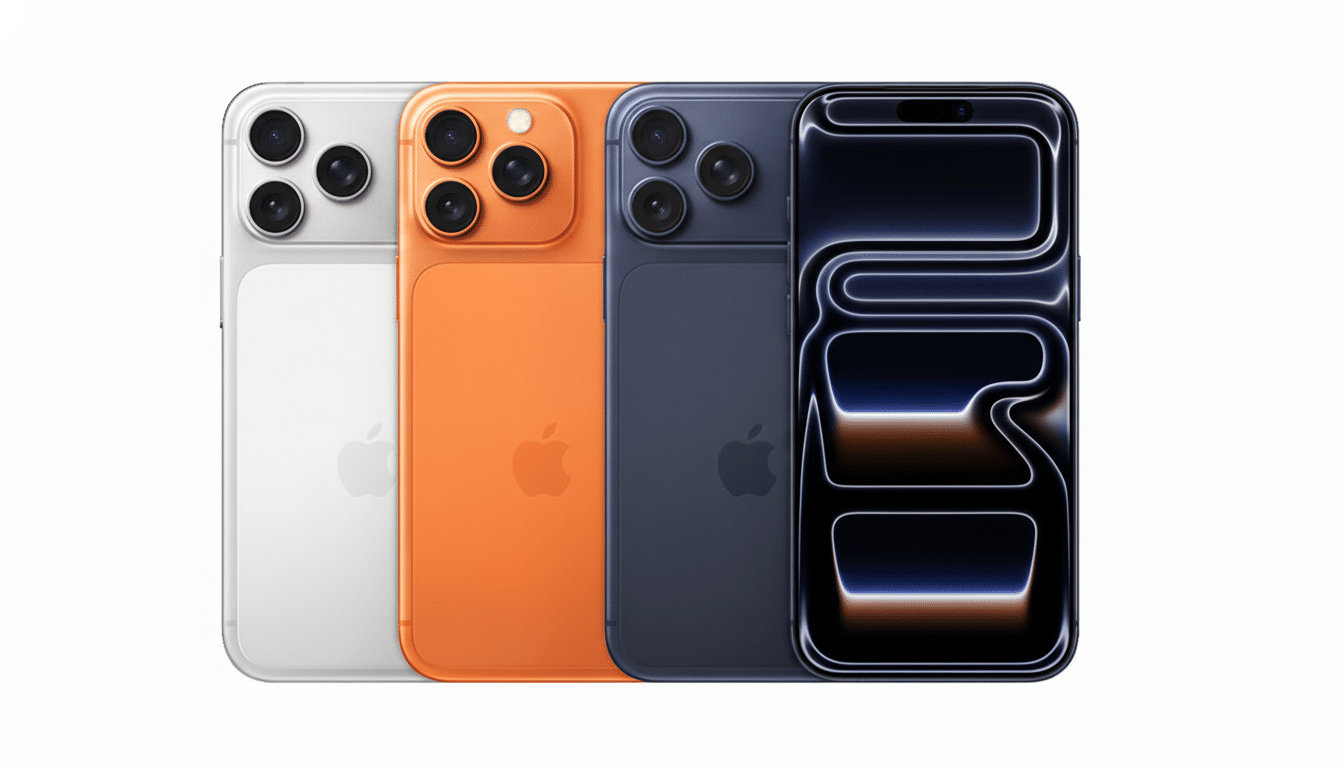
Momentum Outside the Top Two Smartphone Makers
There were bright spots in other corners of Android. The increase was driven by a 25% gain for Google, as the company expanded its carrier partnerships and focused on device AI capabilities, and a 31% jump for Nothing as it heavily differentiated itself through its design and price in Europe and India. Neither brand landed in the top five, volume-wise, but both are establishing a recognizable identity and repeat customer base.
Not all movement was positive. OPPO’s shipments retreated 4%, on weakness in China and burgeoning competition in Southeast Asia. Consolidation pressure and channel inventory discipline are still watchpoints for multiple Android brands with insufficient scale to navigate volatile component cost swings fast enough.
What to Watch Next in the Global Smartphone Market
Counterpoint Research warned that the transition could be bumpy. As memory prices soar and supplies become scarce, chipmakers are retooling to meet the needs of AI data centers, a shift that could squeeze smartphone margins. Bigger companies like Apple and Samsung will be in a better position to secure components and manage pricing, though smaller brands might need to trim features or play with storage tiers in order to keep retail prices stable.
Look for increased competition on premium features that average Joes and Janes can feel in their day-to-day lives: longer battery life, smarter camera pipelines, meaningful AI assistants. Trade-in systems and financing will continue as key levers, particularly in regions where upgrade intent is high but discretionary spending is patchy.
For now, Apple’s mix of brand strength, ecosystem pull and a multi-generation sales model has won the crown. Samsung is just behind and still very capable of turning this around, but the direction here will be about who can nail component costs best, get the upgrade story right, and provide a premium experience that’s attainable.
