


Apple is stitching a new layer around the iPhone, and it looks a lot like camera-smart earbuds, discreet glasses, and an AI pendant that acts as the phone’s eyes and ears. Multiple reports, including detailed sourcing from Bloomberg, point to an aggressive push to ship wearables that give Siri visual context and make the iPhone the indispensable hub for everyday computing. If that vision lands, Android hardware makers will need more than spec sheets to compete—they’ll need a unified, privacy-safe, multimodal ecosystem that feels as seamless as Apple’s.
A New Perimeter Of Sensors Around The iPhone
Apple’s roadmap centers on three pillars. First, smart glasses designed to rival the Ray-Ban Meta model—no display at first, but with onboard cameras, microphones, and speakers that feed Siri context about your surroundings. Second, AirPods with low-resolution cameras aimed not at selfies but at scene understanding, navigation cues, and language translation. Third, a pendant roughly the size of a small tracker, clipped to clothing or worn as a necklace, built to continuously capture audio and visuals for Siri and offload heavy lifting to the iPhone.
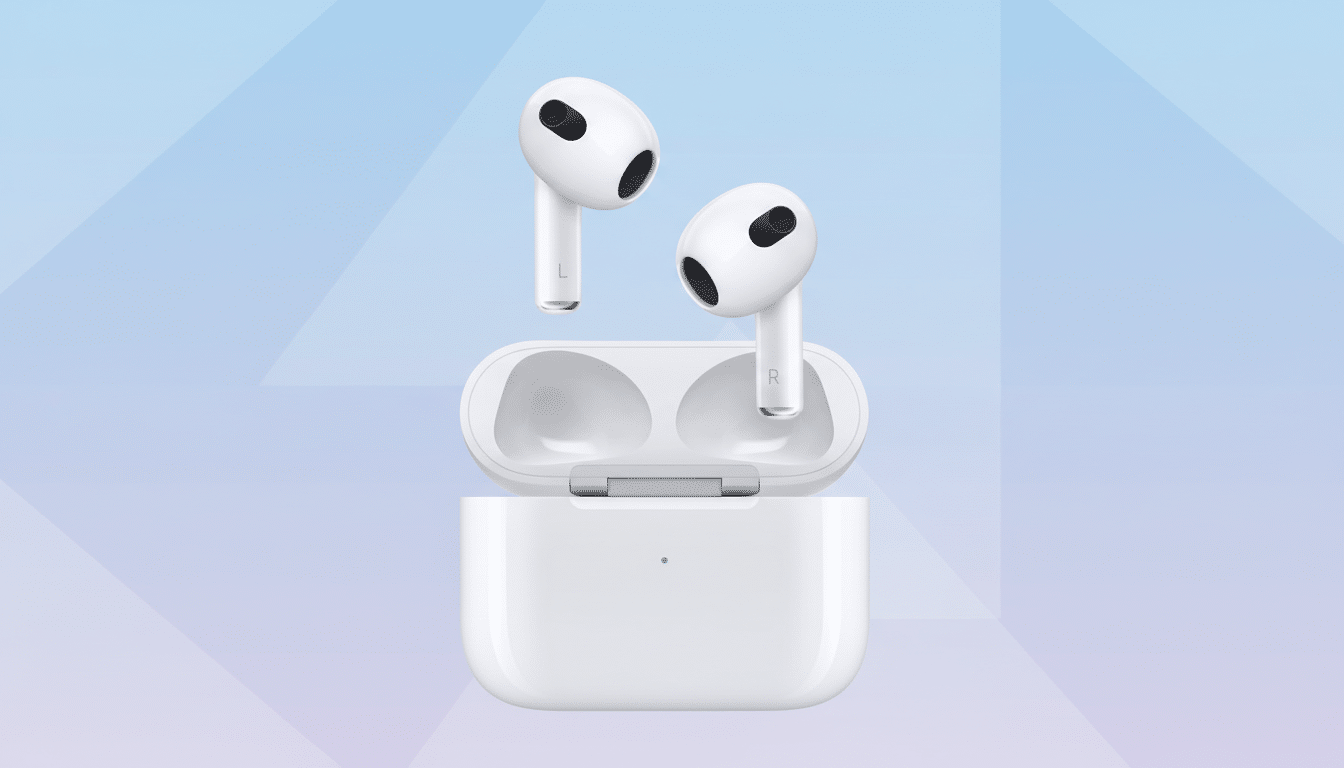
The bet is simple: the more sensors Apple controls around your face, ears, and lapel, the more the iPhone can preempt what you need. Think instant reminders from a poster you glanced at, hands-free photos aligned to your gaze, or rapid translations that blend what you see with what you hear. Bloomberg reports Apple has expanded internal testing of glasses prototypes and is emphasizing build quality and camera tech as differentiators, eschewing third-party fashion partnerships to keep design in-house.
Integration As Strategy, Not Accessory Alone
Wearables are not just a margin play. They’re a moat. Apple’s Wearables, Home, and Accessories category generates nearly $40 billion annually, according to company filings, but the real value is attachment and switching costs. AirPods already function as a frictionless extension of the iPhone. Add cameras and on-device intelligence, and the iPhone becomes not just your phone but your context engine.
That matters because Apple’s profit share in smartphones towers over the market. Counterpoint Research has estimated Apple captures around 70% of industry operating profits. Locking more daily tasks—navigation, capture, translation, coaching—into wearables tethered to iPhone services tightens that grip. It also plays to Apple’s strengths: tight hardware-software integration, on-device processing, and a strong privacy brand that can make camera-forward wearables feel safer than rivals.
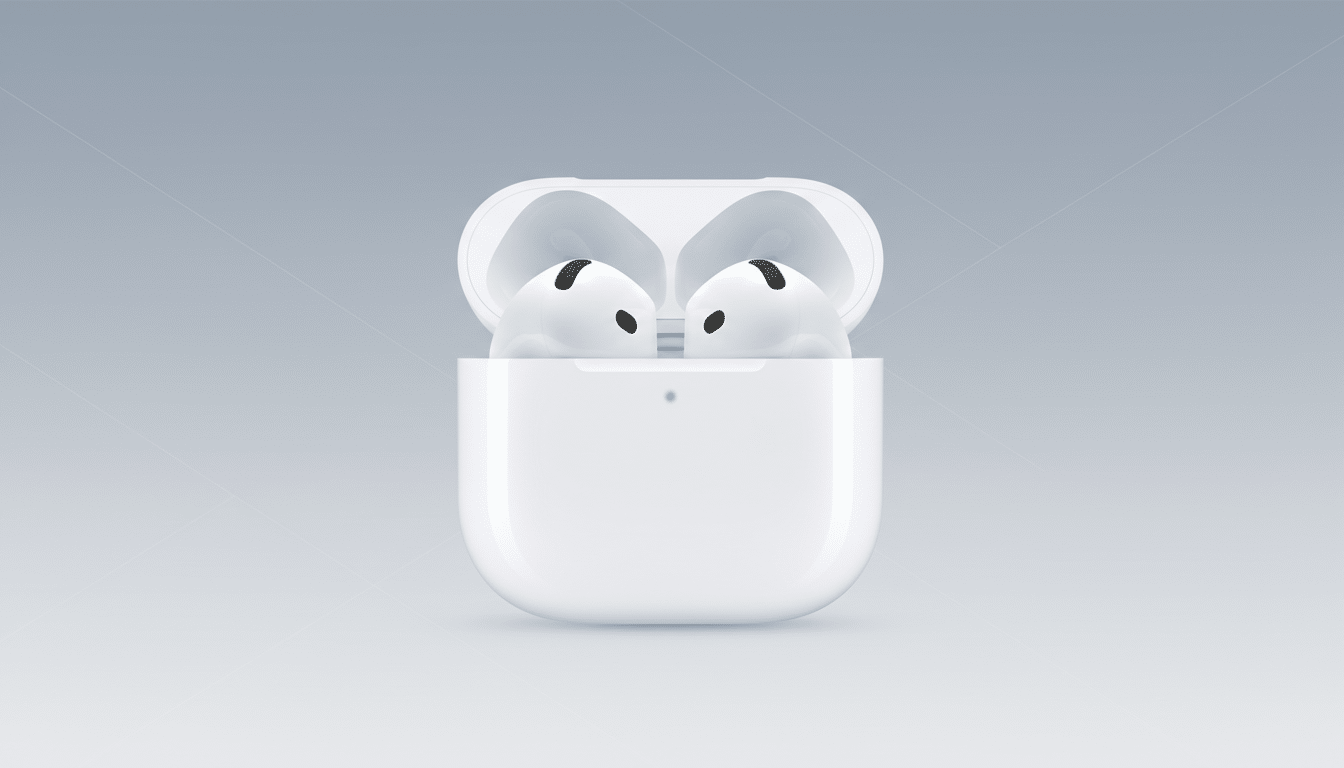
There’s a subtle shift in the role of Siri too. With cameras and mics always available, the assistant becomes multimodal by default. Instead of “What’s on my calendar,” think “Book time to visit this store” after you glance at a sign. That kind of intent requires devices that understand space, text, and context together—and that’s exactly what Apple appears to be building.
What Android Must Do Next To Compete With Apple
Android players have the right ingredients—Gemini Assistant, Fast Pair, a thriving wearables ecosystem—but they need a sharper recipe. The response must be about systems, not single gadgets.
- Standardize multimodal APIs: Google should expose robust, low-latency pipelines for camera, audio, and sensor fusion across earbuds, rings, and glasses so that assistants can “see and hear” consistently, regardless of brand. That means first-class Android support for cameras in earbuds and body-worn sensors with predictable permissions and UX.
- Make privacy visible and local: If Apple leans on on-device processing, Android must exceed it. Clear LED indicators, granular per-sensor controls, and default on-device inference can turn privacy from a checkbox into a competitive advantage.
- Pairing that never breaks: Fast Pair is good; it needs to be flawless across phones, tablets, Chromebooks, TVs, and Windows PCs. Seamless audio handoff and shared context should be table stakes, not brand-specific perks.
- Cross-brand cohesion: Fragmentation is the Android tax. Google, Samsung, and Qualcomm should align roadmaps so Galaxy Buds, Pixel Buds, and third-party earbuds can all support camera-enabled features, live translation, and spatial cues with identical UX patterns. The upcoming wave of smart rings and glasses needs the same playbook.
- Developer tooling that scales: A single SDK for glanceable, voice-first, camera-aware apps across Wear OS, Android, and companion accessories would let developers build once for watches, glasses, and buds. The success of the Ray-Ban Meta glasses shows developers will engage where the platform is coherent and demand is real.
The Competitive Stakes For Android And Apple
Apple’s rumored pendant and camera-enabled AirPods raise obvious concerns—social acceptability, battery life, and cost. But Apple is expert at normalizing new behaviors by making them delightful, quiet, and tightly integrated. If it does that here, the iPhone’s role shifts from handset to personal operating system with peripherals you forget you’re wearing.
Android can win only if it leans into what makes it unique: openness that doesn’t feel messy, best-in-class AI that respects privacy, and hardware variety that doesn’t punish users with inconsistent experiences. The next smartphone battle won’t be fought on screen sizes or camera megapixels. It will be decided by the invisible layer of sensors and intelligence around us—and how naturally that layer orbits the phone we carry.
