


Apple’s roster is crowded with new silicon, updated screens and a focus on health — but not every product is worth your money today. Based on recent upgrades, supply chain chatter and market signals, here are the three devices from Apple that you probably won’t want to get just yet, and the nine you should.
Why it matters: Apple’s newest chips are speeding up on-device AI and battery performance, while tariffs and component choices are reshaping pricing. If chosen wisely, you can save hundreds and extend the usable life by years.

Apple devices you should skip for now based on updates
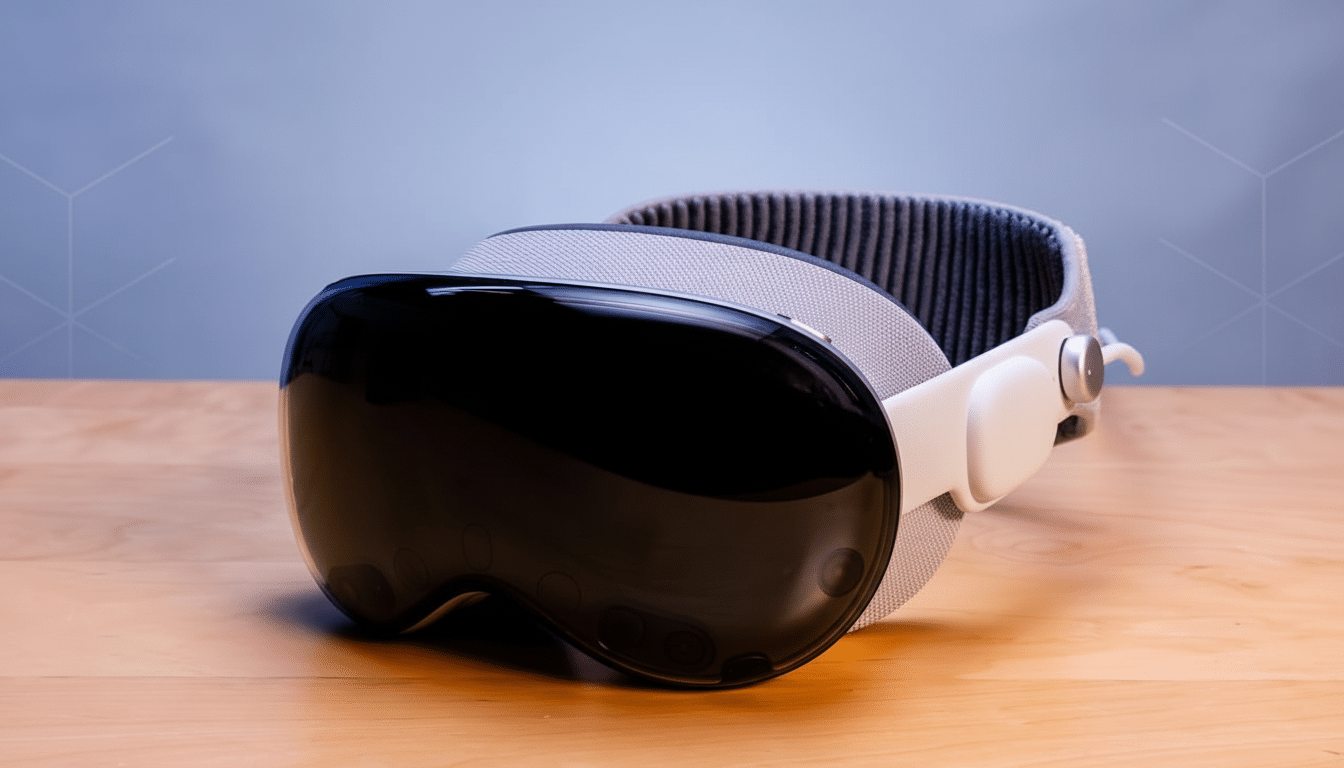
Apple Vision Pro: Early adopters paid big bucks for a jaw-dropping first-gen experience, but IDC’s unit estimates were meager in recent quarters, and advertising spend appeared to chill. The app library is getting better, but a lower-cost model or an updated version might arrive with improved comfort, batteries and developer momentum. Unless you’re developing for spatial computing, it’s wise to wait.
MacBook Air: With rumors of a new entry MacBook in the $999 range with efficient, iPhone-class silicon swirling for ages now, it makes all previous models seem like awkward filler.
If you don’t need much power and portability is your priority, it may pay to wait for a more affordable or longer-living machine. At the very least, would-be buyers should wait; however, aggressive promotions may be sought before you finalize your purchase.
AirPods Max: Great sound, but the feature set now lags behind Apple’s newer earbuds. Active noise cancellation and health tie-ins improved dramatically in the most recent AirPods Pro, and Apple’s over-ear lineup is ready for updated internal hardware, smarter sensors and deeper hooks into Apple Intelligence. And unless you get a big, fat discount on it, this is a wait.
Nine Apple products that are smart buys to consider today
iPhone 17 lineup: There’s new A19 and A19 Pro silicon, plus faster on-device AI and improved efficiency, with camera and battery improvements that you can see in your day-to-day use. Prices have risen by around $100, but long OS support and blistering performance make them the safest iPhone bet. Big screen with no bulk is a trade-off the iPhone Air slides into nicely.
Apple Watch Series 11: Health is the banner feature. Hypertension warning headlines a wave of improved sensors and algorithms, along with expanded rollouts to older models for core features. If you’re a runner or a data nerd, Series 11 moves the needle price-wise, battery-wise, and metrically.
Apple Watch Ultra 3: In the water, in real life or super-hard conditions this is the no-compromise wrist computer. A big battery, display and rugged design make it the best Apple Watch for pros and weekend warriors.
AirPods Pro 3: Slightly better noise cancellation and audio fidelity, improved battery life, plus the surprise added feature of heart rate detection make these the go-to Apple buds. Yes, they are very much a fitness crossover, and the fit-and-finish leaves most competitors behind.
iPad Air with M3: An all-around tablet for work and school. The M3 chip, for its part, has been an absolute workhorse when it comes to multitasking and editing photos, annotating PDFs and gaming with plenty of headroom. For most people, the two sizes and approachable pricing check the right boxes.
iPad Pro with M5: If you draw, edit video or rely on Stage Manager with a phalanx of external displays, the Pro earns its keep. The M5’s headroom plus pro accessories transform this into Apple’s most powerful tablet for creators.
MacBook Pro 14-inch with M5: Even if its speed-focused chips were called M4 Pro and Max, the lowest-end configuration of the base 14-incher still arrives as a fast, quiet, and efficient enough new model. It’s a confident daily driver for developers and content creators.
Mac mini with M4 or M4 Pro: It’s hard to argue against the Mac mini being Apple’s best value desktop, but if you think of it as a base system and want more expansion options like two storage and RAM ports that support inexpensive third-party upgrades — then this one might be for you. It’s a great home computer/home server/coding box/family device that sips power and lasts, starting around $599.
iMac 24-inch with M4: A bright all-in-one for homes, classrooms and front offices. M4 opens the door to Apple Intelligence systems and fan noise is kept low, with an integrated design that cuts down on clutter without cutting down everyday performance.
Pricing pressures and market context shaping Apple’s lineup
The expenses are creeping up on the back end. Apple said on an earnings call that tariffs had added about $800 million one quarter and $1.1 billion the next. Members of the iPhone line also swapped extrusions done in titanium for aluminum, which is 2.5 to 3 times less expensive per pound (at least in many alloys) and may be where Apple could absorb some pressures while raising list prices.
And the storage economics reveal a similar dynamic. Industry averages place the price of 128GB at roughly $16, and it’s near $35 for 256GB, meaning much of the up to $100 extra that handsets cost is going elsewhere. Bottom line: The best defense is to buy into the latest architectures — A19, M5, and M4 — where you will get several years of support, the strongest resale and as many on-device AI features as possible.
The takeaway: Pass on Vision Pro, AirPods Max and MacBook Air for now. If you’re in the market right now, those nine picks stand as Apple’s best values and safest bets.
