


Apple is opening the door to third‑party AI assistants in the car, with CarPlay now set to support voice‑driven chat apps such as ChatGPT and other popular chatbots. The shift, detailed in Apple’s CarPlay Developer Guide and surfaced by industry watchers, effectively expands in‑car voice options beyond Siri while preserving strict safety and privacy boundaries.
What’s New in CarPlay AI Chatbots and How It Works
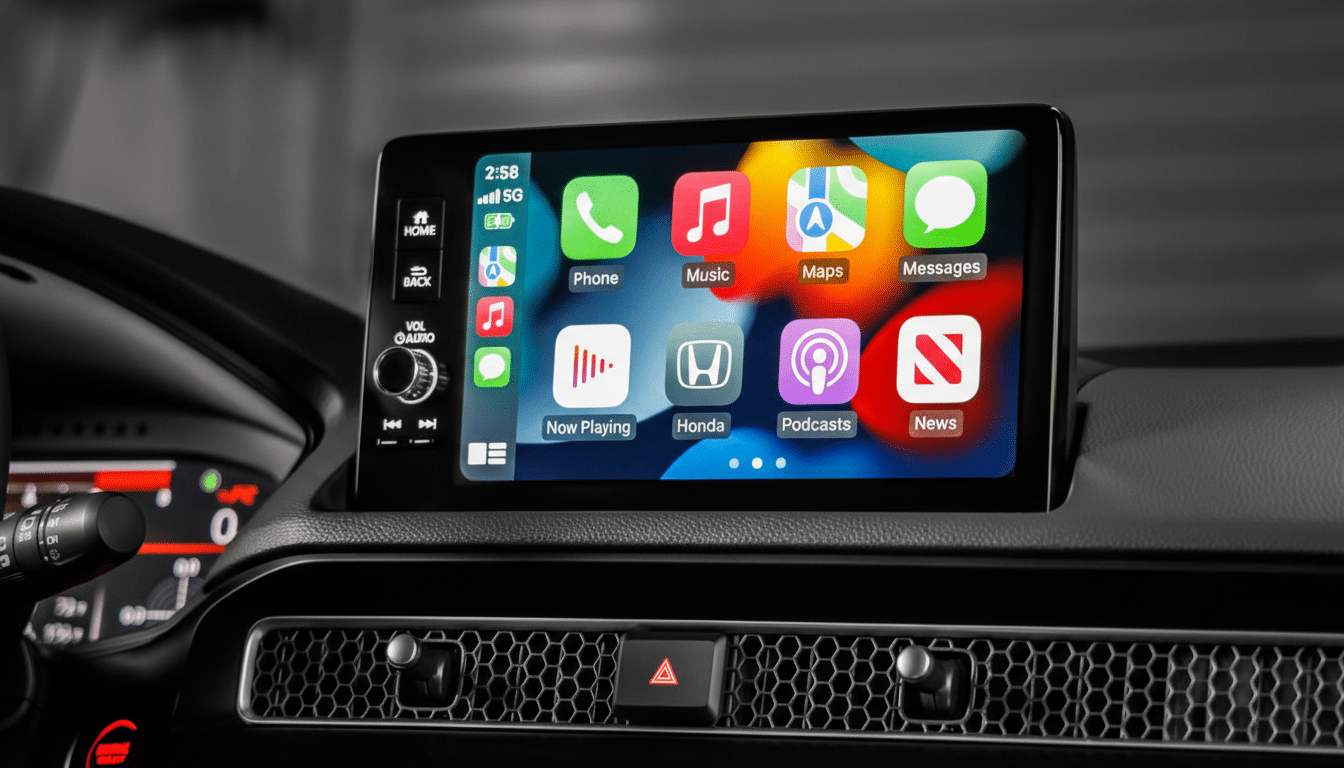
Apple’s documentation outlines a new class of voice‑based “chat” experiences designed for CarPlay’s audio‑first interface. Once developers update their apps to include CarPlay support, drivers will be able to launch an AI chatbot from the CarPlay screen and converse hands‑free using the vehicle’s microphone and steering‑wheel voice button.
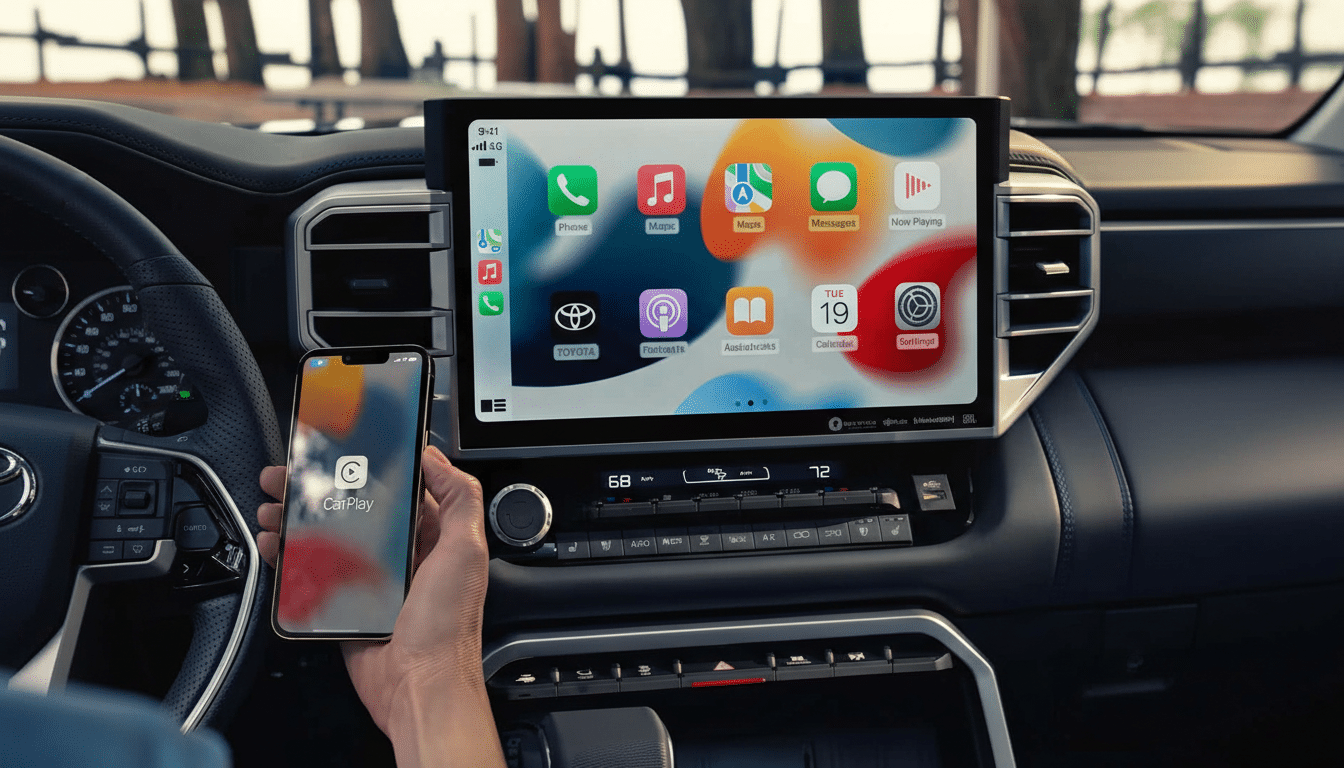
There are important constraints. Wake words are not allowed, so drivers must manually open the chatbot from the CarPlay launcher before speaking. These apps are strictly conversational: they can answer questions, summarize information you describe aloud, translate phrases, or brainstorm ideas—but they cannot execute car functions or phone controls. Tasks like placing calls, changing climate settings, or sending messages remain fenced off to Siri and approved CarPlay app domains, reinforcing Apple’s safety model.
In practical terms, that means you might ask ChatGPT to explain a dashboard warning light, suggest a scenic detour with historical context, translate a restaurant menu you’re about to visit, or outline talking points for a meeting you’re driving to. The response plays back via the car’s speakers, with minimal on‑screen interaction to reduce distraction.
Safety and Privacy Guardrails for In‑Car AI Chatbots
Apple’s rules are clearly shaped by the reality that cognitive load, not just screen time, can distract drivers. The National Highway Traffic Safety Administration attributes thousands of roadway fatalities each year to distraction, and AAA Foundation research has shown that voice tasks can create lingering cognitive distraction for up to 27 seconds after an interaction. CarPlay’s audio‑first templates, prohibition on wake words, and ban on vehicle or device control are meant to keep interactions short, predictable, and glance‑light.
On privacy, AI chatbots typically process prompts in the cloud, which means voice transcripts or recordings may leave the device under the app developer’s policies. Apple requires CarPlay apps to disclose data practices and conform to its review guidelines, but drivers should assume that conversations are governed by the chatbot maker’s terms. As with any CarPlay app, all networking routes through the iPhone, not the vehicle head unit, and can be disabled at the phone level.
Why This Matters For Drivers And Developers
For drivers, CarPlay’s expansion acknowledges a behavioral shift: many people already lean on generative AI for quick answers and creative help. Bringing those assistants into a controlled CarPlay experience reduces the temptation to handle a phone while driving. It also gives iPhone owners more choice without forcing them to abandon Siri for core controls and navigation.
For developers, Apple is effectively creating a sanctioned path for AI assistants in the car. To participate, app makers must add CarPlay support, implement audio sessions that respect driving‑safe UI constraints, and optimize for short, turn‑taking interactions. This could spur specialized driving modes—think travel concierges that recommend stops along a route, language tutors that practice conversation during commutes, or study aids that quiz you before an exam—so long as experiences remain audio‑centric.
CarPlay’s Reach And The Competitive Context
Apple’s in‑car footprint gives this move outsized impact. At a prior developer conference, Apple said 98% of new cars sold in the U.S. offered CarPlay, and 79% of American buyers considered it a must‑have feature. Even as some automakers experiment with proprietary software stacks, the sheer ubiquity of CarPlay means third‑party chatbots could quickly become a common in‑dash utility.
The update also arrives as rivals push their own AI. Google has been weaving Gemini into Android and has previewed AI features in Android Auto to summarize messages and assist with replies. Apple’s approach differs by inviting third‑party chatbots into CarPlay while maintaining strict permissions and leaving core controls to Siri—an architecture that could minimize ecosystem lock‑in while preserving safety guardrails.
What to Watch Next for CarPlay and AI Chatbots
Beta builds enabling voice‑based chat apps are already accessible to testers, with a general release expected in an upcoming iOS update. The big open question is how far Apple will take Siri’s own generative capabilities and how that will coexist with third‑party assistants. If Apple delivers a more conversational Siri inside the next‑generation CarPlay experience it previewed previously, drivers may soon have a choice of multiple AI voices—each powerful, but all operating within Apple’s carefully defined safety lanes.
