


The first-generation Apple AirTag 4-Pack just slid to $64 at a major retailer, a $35 drop from the usual $99 list price and within a dollar of its historical low. If you’ve been waiting to tag keys, luggage, and backpacks in one swoop, this is the rare moment when the per-tag cost dips to roughly $16 without waiting for holiday blowouts.
Why This AirTag 4-Pack Deal Stands Out Right Now
Price trackers show the 4-Pack has only beaten today’s price once, and only briefly. At $64, it undercuts many rival bundles while delivering tighter iPhone integration than third-party tags. Even single AirTags often hover around $24–$29 apiece on sale, so the bundle math here is hard to ignore.
- Why This AirTag 4-Pack Deal Stands Out Right Now
- What the 1st-Generation AirTag Still Gets Right Today
- Who Should Buy AirTags and Who Might Want to Skip
- How the AirTag 4-Pack Stacks Up to Top Alternatives
- Second-Generation AirTag at a Glance and Key Upgrades
- Real-world use cases and data points for AirTag owners
- Buying tips before you check out with an AirTag 4-Pack
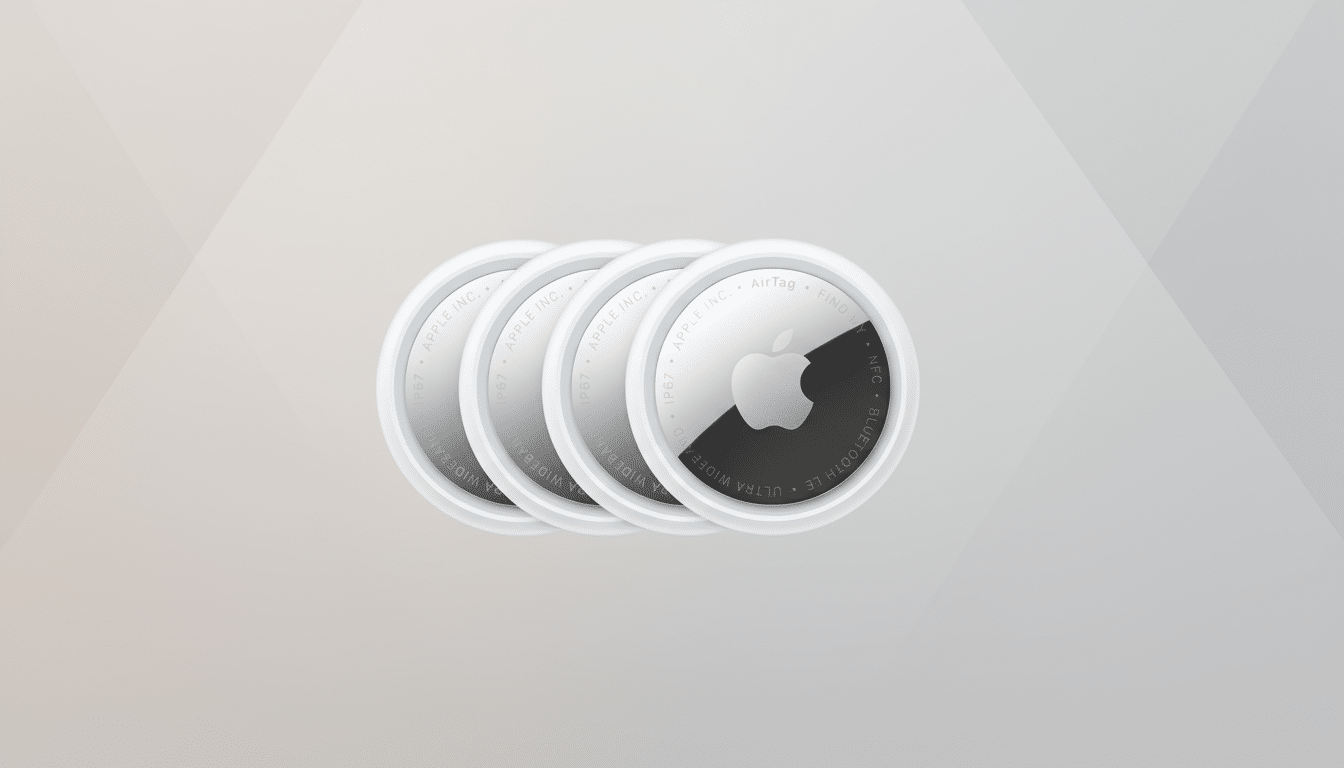
What the 1st-Generation AirTag Still Gets Right Today
The original AirTag taps Apple’s vast Find My network, which benefits from the company’s massive active device base reported to exceed 2 billion worldwide. In practice, that crowdsourced scale is what turns a lost item in a café or airport into a ping on your phone.
Precision Finding via the U1 Ultra Wideband chip guides you with on-screen arrows and distance when you’re close, available on iPhone 11 and newer models. If you’re in earshot but can’t see it, a built-in speaker helps you home in with a chirp. The tag is IP67 rated against dust and water, and it uses a standard CR2032 coin cell that Apple estimates at about a year of life under typical use—cheap to replace and no charging downtime.
Privacy protections have matured since launch. Apple added robust unknown-tracker alerts in iOS, and in collaboration with Google, rolled out a cross-platform Detecting Unwanted Location Trackers specification so Android phones can also warn users about unfamiliar AirTags nearby. Consumer Reports and independent security researchers have acknowledged these safeguards as notable progress, though users should keep iOS and Android software current to benefit.
Who Should Buy AirTags and Who Might Want to Skip
AirTags are built for people embedded in the Apple ecosystem. Setup and full functionality require an iPhone or iPad with the Find My app. Android users can receive unwanted-tracker alerts thanks to the cross-platform standard, but cannot set up or routinely track an AirTag. If you live on Android, consider a Tile or a Google Find My Device-compatible tag instead.
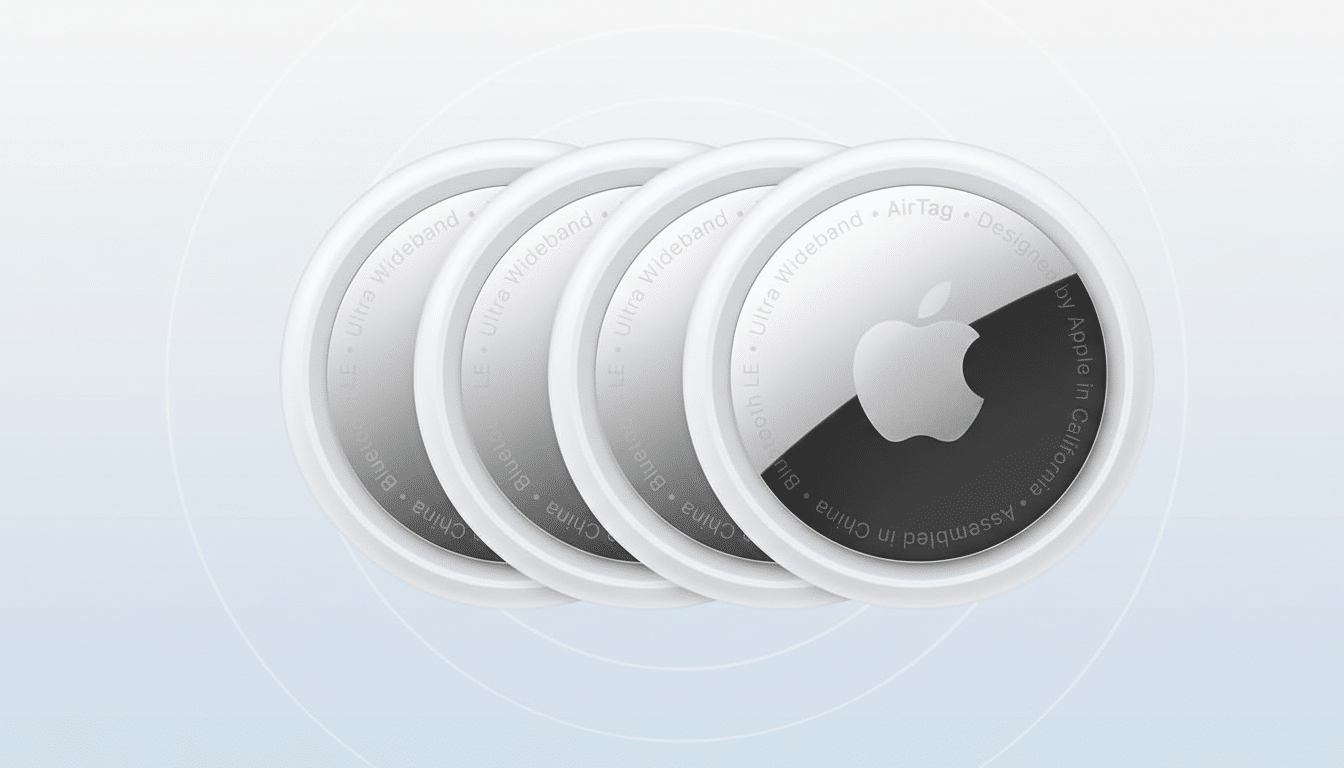
How the AirTag 4-Pack Stacks Up to Top Alternatives
Against Tile, AirTag’s chief advantage is that Ultra Wideband Precision Finding and the sheer density of Apple devices that can anonymously relay a location. Tile counters with broader platform flexibility and models with integrated keyrings. Chipolo’s One Spot and Card Spot integrate with Apple’s Find My network and perform well in crowdsourced finding, but they lack UWB, so you don’t get the arrow-and-distance precision at close range. At today’s $16-per-tag math, AirTag’s value-to-performance ratio is especially compelling for iPhone owners.
Second-Generation AirTag at a Glance and Key Upgrades
The newer AirTag adds Apple’s U2 chip—improving Ultra Wideband performance, Bluetooth stability, and interactions with recent Apple Watch models—plus a louder speaker. Those are meaningful upgrades if you want the latest spec. But for most everyday use cases (keys, luggage, gym bags), the first-gen model’s tracking experience is nearly identical at a noticeably lower price.
Real-world use cases and data points for AirTag owners
Travelers continue to rely on trackers for peace of mind during baggage transfers. SITA’s Baggage IT Insights report shows mishandled baggage rates remain elevated compared to pre-pandemic norms, making a discreet tag in your checked bag a practical safeguard. Closer to home, sharing features let you grant tracking access to family members—useful for communal items like a stroller or bike—without constant “item moving with you” alerts, a change Apple refined in recent iOS releases.
Buying tips before you check out with an AirTag 4-Pack
Budget for attachments: AirTags don’t have a built-in loop, so a basic keyring or adhesive mount may be necessary. Verify new retail packaging includes a battery pull tab and that batteries are CR2032 without bitterant coatings that can interfere with contact in some cases. If gifting, consider pairing the bundle with two keyrings and two slim adhesive holders to cover the most common uses.
Bottom line: this is a near-best price on a still-excellent tracker. If you carry an iPhone and want a dependable, easy-to-manage system for finding everyday items, the first-gen AirTag 4-Pack at $64 is a timely buy before inventories shift fully to the newer model at higher street prices.
