


Anthropic is reportedly doubling the size of its latest funding round to about $20 billion, up from a previously targeted $10 billion, according to the Financial Times. The maker of Claude and Claude Code could be valued near $350 billion if the round closes as indicated, a striking step-up that reflects intense investor appetite for leading AI platforms.
Expected participants include Sequoia Capital, Singapore’s sovereign wealth fund, and Coatue, the FT reported. The upsized target follows a period in which Anthropic disclosed roughly $13 billion in earlier commitments and was marked by investors at around $183 billion, and it has been moving to prepare for a potential IPO by engaging capital markets counsel, according to prior media and regulatory disclosures.
Why Investors Are Piling Into Anthropic’s AI Bet
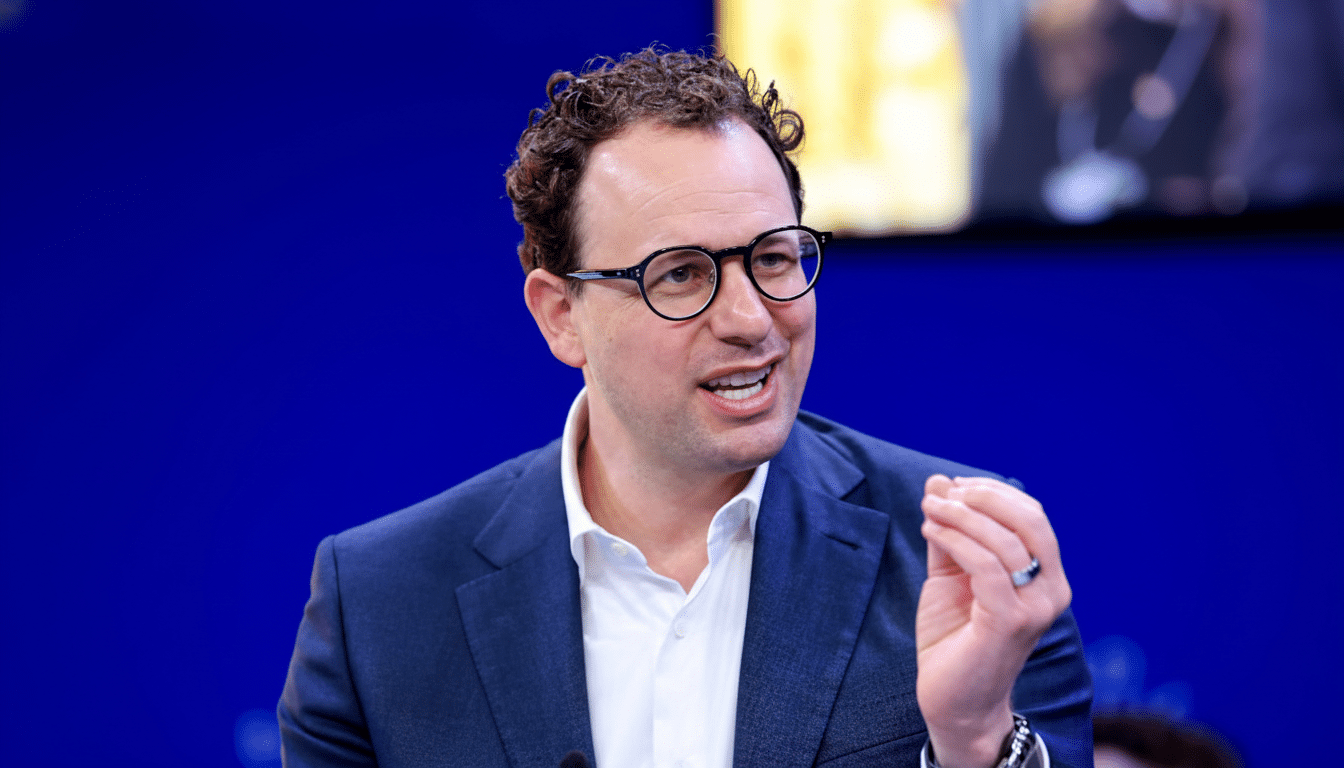
Two forces are converging: surging enterprise demand for capable AI assistants and the eye-watering capital intensity of building them. Anthropic’s Claude models have carved out a reputation for strong reasoning and safer behavior, appealing to banks, insurers, consultancies, and software firms that need reliability as much as raw capability. The company’s developer-friendly tooling, highlighted by Claude Code, extends that reach into day-to-day software work.
At the same time, training and serving frontier models requires mountains of compute and specialized talent. Access to cutting-edge accelerators, long-term cloud capacity, and data pipelines is the new oxygen. Anthropic has inked major cloud alliances with Amazon and Google, giving it scale routes for training and deployment. Capital at the $20 billion mark is not about vanity; it is ammunition to secure multi-year compute, expand model families, and absorb rising inference costs as usage grows.
The decision to raise more money now is also a signaling game. By lifting the target by 100%, Anthropic communicates both traction and confidence, which can nudge late-stage investors off the fence. Industry trackers like PitchBook and CB Insights have noted the steady climb of “mega-rounds” in AI even as other venture categories cool, and this deal would sit near the apex of that trend.
What a $350 Billion Valuation Signals for Anthropic
If finalized, a valuation around $350 billion would place Anthropic among the most valuable private companies in any sector. For context, multiple media reports have pegged OpenAI’s recent tender discussions near the $150 billion range. The implied gap, if it holds, says less about a one-to-one comparison of product maturity and more about investor views on platform optionality, safety differentiation, and potential monetization across consumer, enterprise, and developer ecosystems.
It also reflects a belief that a handful of foundation model companies will sit at the center of the AI economy—capturing outsized margins through model licensing, application layers, and specialized tools. In that worldview, paying up now secures exposure to a scarce asset that could compound for years. The risk, of course, is execution: sustaining leadership requires relentless model upgrades, ecosystem cultivation, and careful management of safety-reliability trade-offs.
IPO Preparation and the Evolving Capital Stack
Reports that Anthropic has hired lawyers to explore an eventual public listing suggest a classic dual-track: keep private capital flowing while preparing the disclosure rigor and governance posture needed for public markets. In practice, that means continued investment in model evaluation, auditing, and risk controls—areas regulators and enterprise buyers increasingly scrutinize.
The cap table dynamics bear watching. Sequoia’s participation, while it also backs competitors, underscores how major firms are hedging their bets across the foundation model landscape. Large sovereign and crossover investors bring deep pools of capital and often a longer horizon, which can stabilize funding for multiyear compute contracts and data-center commitments.
Competitive Pressures and Key Risks Facing Anthropic
Competition is unforgiving. OpenAI, Google DeepMind, and xAI are all iterating quickly and pushing performance envelopes. Hardware supply remains a constraint, and dependence on a small set of cloud and chip vendors concentrates both pricing power and operational risk. Policy risk is rising too, with lawmakers and standards bodies debating rules for model capability thresholds, safety disclosures, and red-teaming.
There’s also partner concentration to consider. Deep cloud partnerships bring scale, but they can create strategic entanglements around distribution, margins, and go-to-market priorities. Anthropic’s challenge will be to leverage those channels without ceding leverage or blurring product independence.
What to Watch Next as Anthropic Pursues Massive Round
Three signals will indicate whether this raise meets its ambitions. First, concrete commitments for long-term compute and data-center capacity—these are the foundations for the next generation of Claude models. Second, enterprise adoption metrics, especially in regulated industries that prize safety and auditability. Third, evidence that inference costs are trending down relative to usage through optimization, model distillation, or smarter routing.
For now, the message is clear: investors are willing to write very large checks to the handful of AI companies they believe can define the next platform era. If the FT’s numbers hold, Anthropic just moved to the front of that line.
