


Each Android iteration is better than the last but feels more impossible to remember. The actual reason has nothing to do with the size of the features or how weak (or not) the engineering is: It’s that Google broke down the rituals and rhythms by which a release was defined. But without the whimsical dessert names, the big lawn statues, or that one moment when everything landed at once, Android’s annual update feels like a never-ending torrent: an involving but forgettable stream of features.
Why the names mattered for Android versions
From Cupcake to Oreo, dessert names bestowed identities on Android versions you could imagine and remember. You didn’t require a changelog to recall Ice Cream Sandwich was the launchpad for Holo, or that Lollipop was when Material Design became all standardized. The names invented a cultural hook—a common language for users, developers, reviewers, and OEMs. With the switch to numbers in Android 10, Google got clarity but lost charm. The iterations proliferated, but the story people told themselves about each one seemed to quietly disappear.
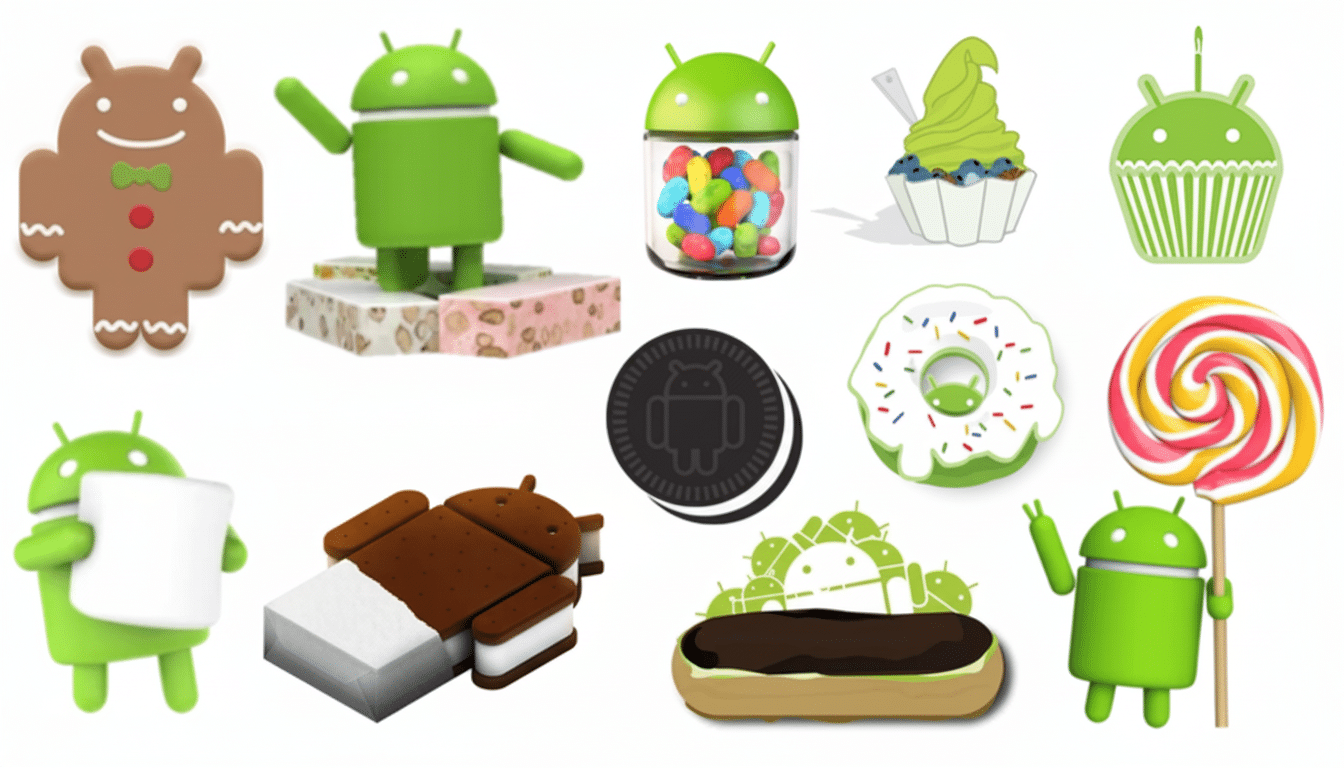
That framing matters. Branding isn’t just fluff; it’s memory palace construction. Apple gets this with iOS by pegging every cycle on a tentpole theme and pounding it home. Android once did the same. Stop the ritual, and you wipe out the mnemonic that lets a billion users file an update in their heads.
Feature creep without a unifying release moment
The other change: The most important Android changes don’t show up clean on day one.
Most headline features land months later in Quarterly Platform Releases (QPRs), Pixel Feature Drops, or through Play services or Google Play system updates. The outcome is great software that is ultimately too good to come together around just one, memorable moment. Ask the average person to distinguish Android 12 from 13 from 14, however, and you’ll receive a thoughtful shrug — Material You aside, the marquee items were dribbled out over long weeks and months.
That rethink on pacing is fantastic for speed and safety, less so for storytelling. Already fragmented into components, there isn’t a tentpole for mainstream users to clamor around; just permanent beta that never tops itself.
Project Mainline moved the spotlight off version numbers
Project Mainline, which brings a system of modular component updates to deliver fixes and features on devices without full operating system upgrades, might actually be Android’s most significant change in years. As per Google’s developer documentation, over 30 system modules, including media, permissions, networking, etc., can now be updated via the Play Store without having to go through a whole OS update. That’s a win in terms of both security and speed — across more than 3 billion active devices promised at Google I/O, by the way — but equally, it decouples value from the version number. When the good stuff skips a cycle, you end up with an OS update that isn’t essential (even if it’s packed to the rafters with under-the-hood improvements).
On top of that, Google Play services doesn’t help the situation. The Play stack, not the OS. The Play stack is also where Nearby Share rebrands, passkeys, and safety upgrades tend to land more often than not. Useful? Absolutely. Remembered as “the thing that came with Android 15 or 16”? Not really.
OEM skins blur version identity for most Android users
But there’s another reason why the updates announced today sink into the background: Android’s most visible changes often don’t come from core OS software at all, but rather from UI surfaces that are controlled by manufacturers. UIs that include their own design languages, multitasking tricks, and camera pipelines in their schedules. The skin, to many users, is the experience; the core Android version is plumbing. Material You in Android 12 was a rare counterexample that managed to break through, but for the most part, cycles find Google’s work diffused by manufacturer priorities and release schedules.
Fragmented adoption compounds this. For example, Apple’s iOS 17 reached around 75% adoption in weeks according to the Mixpanel dashboard. While that may blow up in hardware vendors’ faces (and maybe even will as GMS certification becomes more contentious), it does mean the version share, to be seen in both the Android Distribution dashboard and third-party trackers like StatCounter, is spread across so many releases for so long. And when the majority of friends and family aren’t on your same one release, that social conversation around “the Android this year” never seems to reach a critical mass.
Shrinking Marketing, Expanding Expectations
Google used to love its update theater — codename guessing, statue reveals, playful Easter eggs. That pageantry has been toned down in favor of a more corporate cadence rooted in stability, privacy, and AI. The priorities are in the right place, but the vibe is fast to forget. Even the Pixel feature machine — a selling point for Google’s own phones — can overshadow the platform by making the most provocative stuff feel like Pixel-first instead of Android-wide.
Analyst firms such as Counterpoint Research have found again and again that software longevity and reliability are hugely important when it comes to making a purchase. That’s a cue: users do care about updates, but they remember what you name, celebrate, and ship together.
How Android gets memorable again for everyday users
Google doesn’t have to bring back all of its desserts wholesale, but it does need a narrative spine. Lash each cycle to a clear theme, ship one or two unmistakable, platform-wide features on day one, and brand the moment with assurance. Keep Mainline humming, but save at least one headliner for the annual release so people can point and say “That’s when Android got X.”
Android is excellent software — arguably more flexible and updated more often than ever. The problem isn’t progress; it’s packaging. “Give the world a story again, and those updates won’t just be pretty good. They’ll be unforgettable.”
