


Google is rolling out Android 16 QPR3 Beta 2, a stability‑heavy update that targets some of the most frustrating issues reported by Pixel users: unexpected battery drain, charging limit hiccups, and device freezes. The release also smooths out UI glitches and connectivity quirks, signaling that this quarterly platform milestone is edging closer to a stable finish.
Key Fixes in Android 16 QPR3 Beta 2 Update
Google’s release notes highlight a suite of system-level fixes designed to cut down on critical crashes and random lockups. A top focus is power management: the update addresses cases where phones ignored Battery Health charging caps and scenarios that led to runaway drain, particularly when devices idled or switched networks.
UI polish also gets attention. Graphical glitches in the notification shade and app drawer—small, but noticeable friction points when multitasking—have been resolved. These are the kinds of bugs that compound daily annoyance, so their removal should make the interface feel snappier and more consistent.
Connectivity reliability is another headline improvement. Beta 2 tackles sporadic slow Wi‑Fi performance and instances of missed calls attributed to radio handoff and network latency behavior. For users who juggle Wi‑Fi calling at home and cellular on the go, even minor radio tuning can translate into a more dependable experience.
Build Numbers and Eligible Pixels for This Beta
Android 16 QPR3 Beta 2 is available for Pixel 6 and newer devices. Owners of the Pixel 6 series, Pixel 6a, and Pixel 7 series receive build CP11.251209.007. All other supported Pixels in the program get CP11.251209.007.A1. If you’re already on the QPR3 track, the update should arrive over the air without a wipe.
Historically, QPR3 set builds move toward a late-cycle polish phase, so Beta 2 often feels closer to a release candidate than an experimental drop. That positioning makes this update relevant for users who rely on their phones daily but still want early access to platform refinements.
Notable Tweaks Beyond Bug Fixes in This Release
Alongside stability upgrades, Google is expanding the new Quick Share experience. The AirDrop‑compatible implementation that recently arrived on Pixel 10 devices is now enabled on the Pixel 9 series with this beta, further unifying cross‑device sharing behavior. For anyone moving photos or files between phones and laptops multiple times a day, this consistency matters.
There’s also a visual refresh within the System settings page. While subtle, this kind of design pass typically improves glanceability—fewer taps to reach common options—aligning the settings layout with the rest of Android 16’s UI language.
Why These Fixes Matter for Pixel Beta Users Today
Battery anomalies and intermittent freezes are the two categories most likely to push users off a beta. Google’s recent platform updates have invested in smarter charging, including caps that pause charging around 80% for longevity and adaptive schedules overnight. When those limits are ignored, both battery health and user trust take a hit, so addressing that behavior promptly is key.
On the connectivity side, missed calls tied to network transitions are particularly disruptive for people working in mixed Wi‑Fi and 5G environments. Radio optimizations—though often invisible—tend to deliver outsized wins. Feedback from public issue trackers and community forums frequently centers on these pain points, and Beta 2’s changelog mirrors that reality.
How to Get the Update and Join the Beta Program
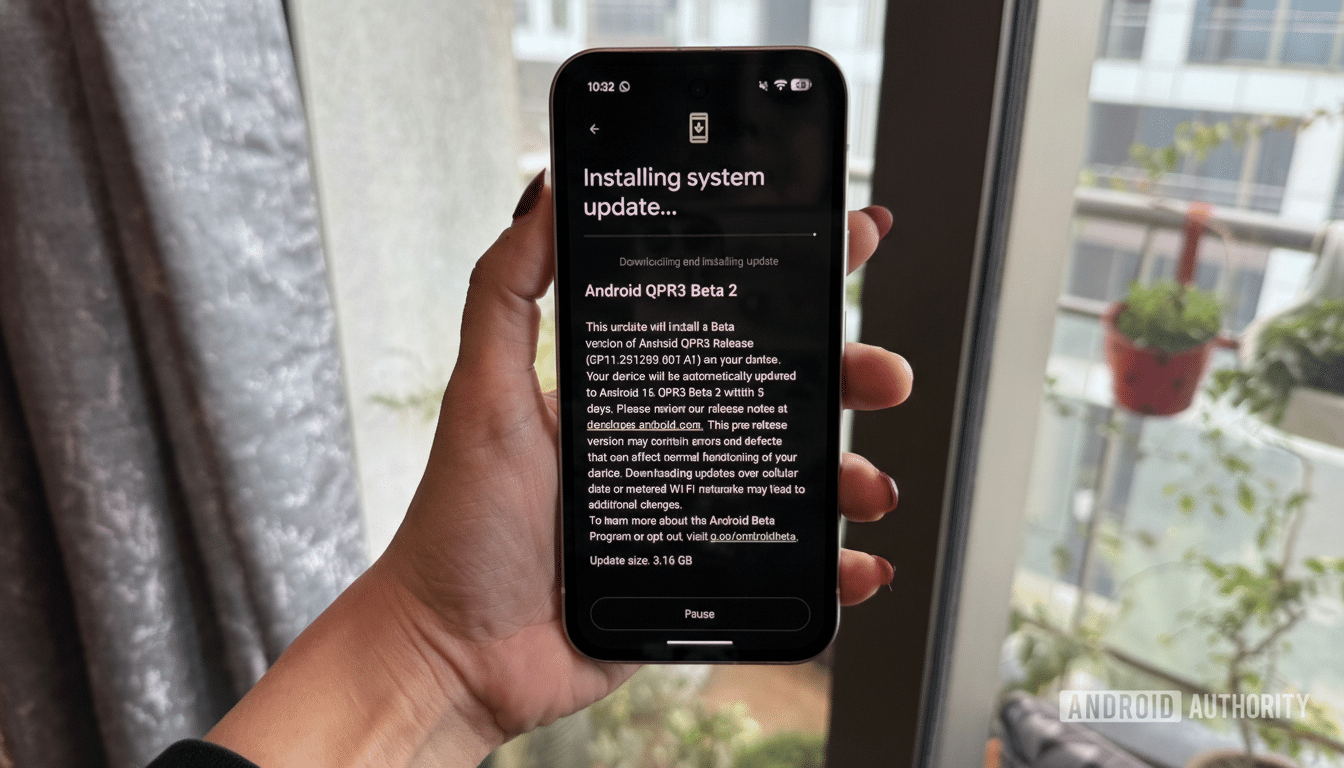
Enrollment happens through the Android Beta Program, and devices already on QPR3 should receive the OTA automatically. As with any pre‑release software, back up your data before installing. If you jump across tracks or opt out later, a factory reset may be required to return to stable builds.
For most testers, Beta 2’s focus on stability, power management, and radio behavior should make it one of the more comfortable Android 16 betas to live with. If you’ve held off because of battery drain or occasional freezes, this is the iteration worth trying.
