


TCL is preparing a significant software jump for many of its recent Google TV sets, with a firmware rollout that upgrades them from Android 12 to Android 14. Early signs point to more than a routine OS bump: owners should also expect feature additions focused on smoother playback, smarter upscaling, and system efficiency.
Which TCL Models Are Getting the Android 14 Update
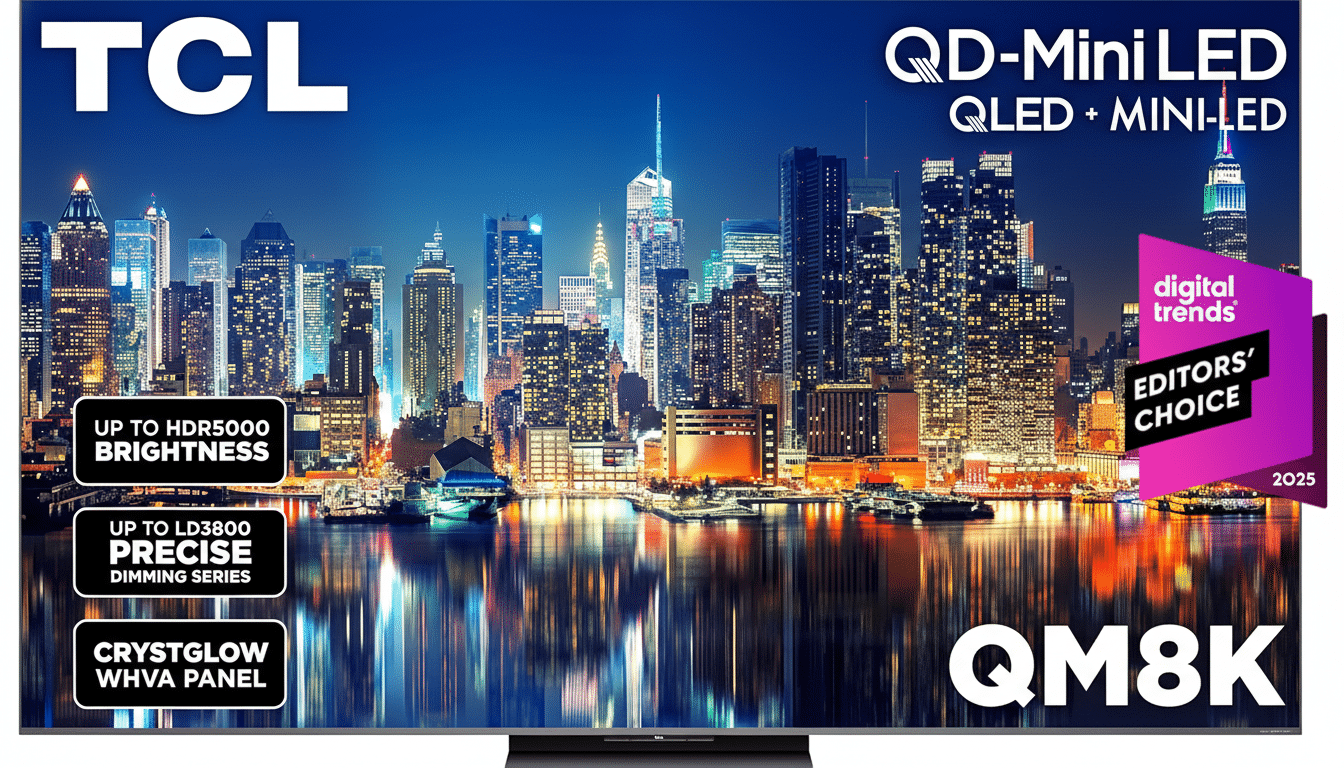
According to reporting from FlatPanelsHD and user feedback in enthusiast communities, the update targets TCL’s Google TV models built around the MediaTek Pentonic 700 platform. Affected lines include C8K, QM8K, C7K, QM7K, C6K, QM6K, C855, C845, QM851G, C805, QM751G, and TCL NXTVISION. The firmware is identified as version 590 in most regions and v313 in the US.
These sets shipped on Android 12 and will now leapfrog directly to Android 14. The update is circulating as a manual install for some users and is expected to appear through the built-in system updater as a staged over-the-air release. TCL has not yet published official release notes.
What Android 14 Brings to Google TV Devices
Android 14 for TV focuses on responsiveness, efficiency, and wider feature compatibility. Google has emphasized streamlined system services, faster app launches, and enhanced memory management. Energy modes allow more flexible power profiles for standby and on-screen performance. The platform also expands picture-in-picture capabilities, deepens accessibility options, and tightens security under the hood.
For developers and streaming partners, Android 14 improves media pipeline stability and input handling, which can reduce micro-stutters and HDMI handshake hiccups. While these changes are largely invisible day to day, they can translate into quicker app switching, fewer dropped frames, and more predictable performance during long viewing sessions.
New Features Reported With TCL’s Firmware
Beyond the core OS upgrade, the firmware is tipped to enable HDMI 2.1 Quick Media Switching (QMS) on supported sets and sources. QMS reduces or eliminates the brief black screen that typically appears when switching between content with different frame rates, like jumping from a 60Hz menu to a 24Hz movie. Compatibility depends on both the TV and the connected device implementing the feature over an HDMI 2.1 link.
Another addition is “Super Resolution” upscaling, which uses AI-based processing to refine edges and textures in lower-resolution content. Expect sharper streaming channels and cleaner detail from older broadcasts without the over-processed look that simpler sharpening can introduce. Combined with TCL’s image processing, this should be most noticeable on large screens where 1080p sources are stretched to 4K.
How the Android 14 Rollout Will Happen for TCL TVs
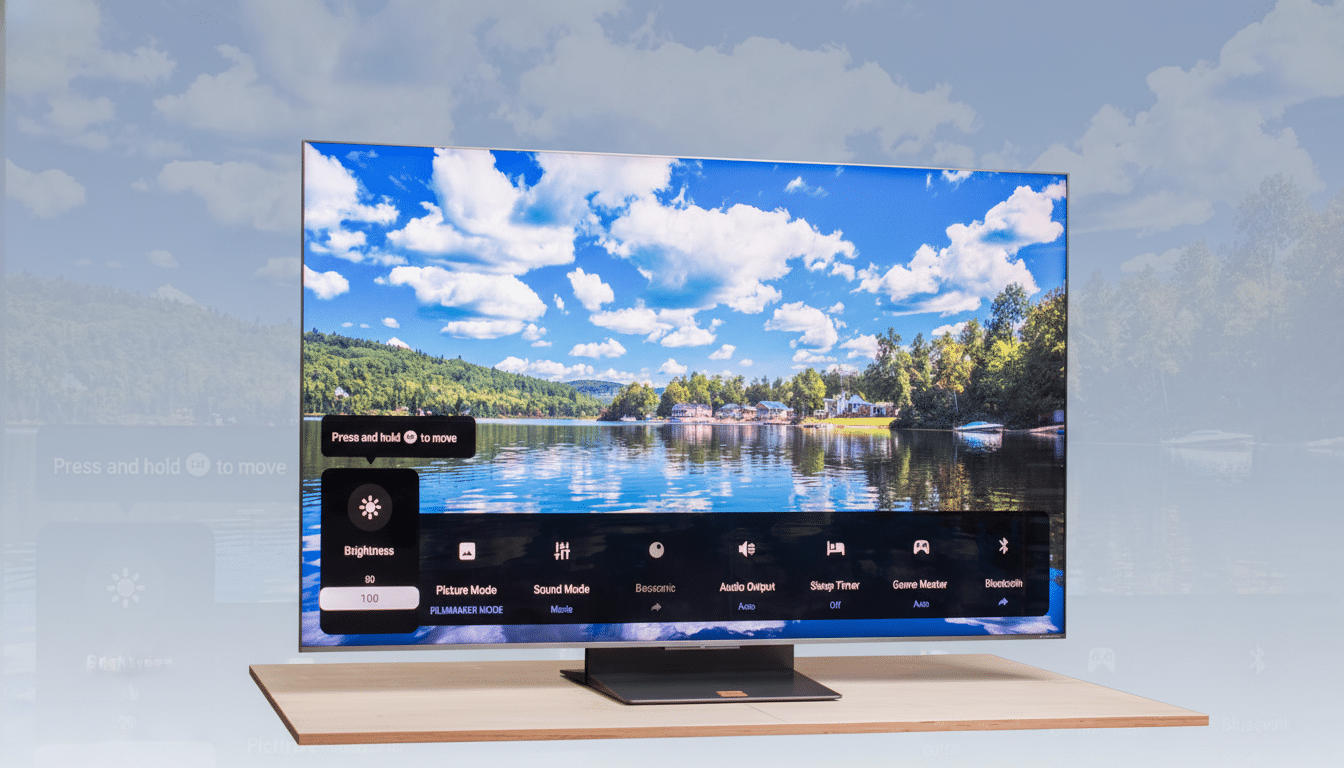
The update is reportedly available first as a manual package, with an over-the-air push to follow. Owners can check for it via Settings, typically under System and About, then System Update. As with any major firmware change, keep the TV connected to power and avoid interrupting the process once it begins.
If you’ve dialed in custom picture modes or calibration tweaks, consider documenting those settings. Major OS updates sometimes reset picture profiles or add new ones, and having a record makes it easier to restore your preferred look.
Why This Android 14 Upgrade Matters for TV Owners
TVs typically outlast smartphones, so a late-cycle OS upgrade is meaningful for security, app support, and long-term usability. TCL ranks among the world’s top TV vendors—analyst firms like Omdia consistently place the brand near the front of global shipments—so this update impacts a large installed base.
It also reflects broader momentum for Android TV OS and Google TV. Google has cited more than 150 million monthly active devices on the platform, and keeping those screens current is essential for streaming partners rolling out new codecs, formats, and playback features. For viewers, the practical upside is clear: quicker navigation, fewer interruptions when content switches frame rates, and better-looking video from everyday sources.
Until official notes arrive, the precise changelog may vary by region and model. But the combination of Android 14, HDMI 2.1 QMS, and enhanced upscaling is a strong package—one that meaningfully modernizes last-generation TCL Google TVs without requiring new hardware.
