


A new wave of devices, a marquee entrant, and mature hardware could help foldable phones shift from niche curiosity to everyday purchase in 2026. Independent trackers say the category is poised for outsized gains even as the broader smartphone market stagnates, setting up a rare bright spot in consumer tech.
Why 2026 Is the Year That’s Different for Foldables
The research firm IDC expects sales of foldable devices to surge 29.7% year over year in 2026, outpacing a projected decline of 1.4% for traditional smartphones. That divergence comes down to two realities: People aren’t buying slab phones as frequently, and foldables finally provide a clear “reason to upgrade” with larger canvases, split-screen workflows, and pocket-to-tablet flexibility.
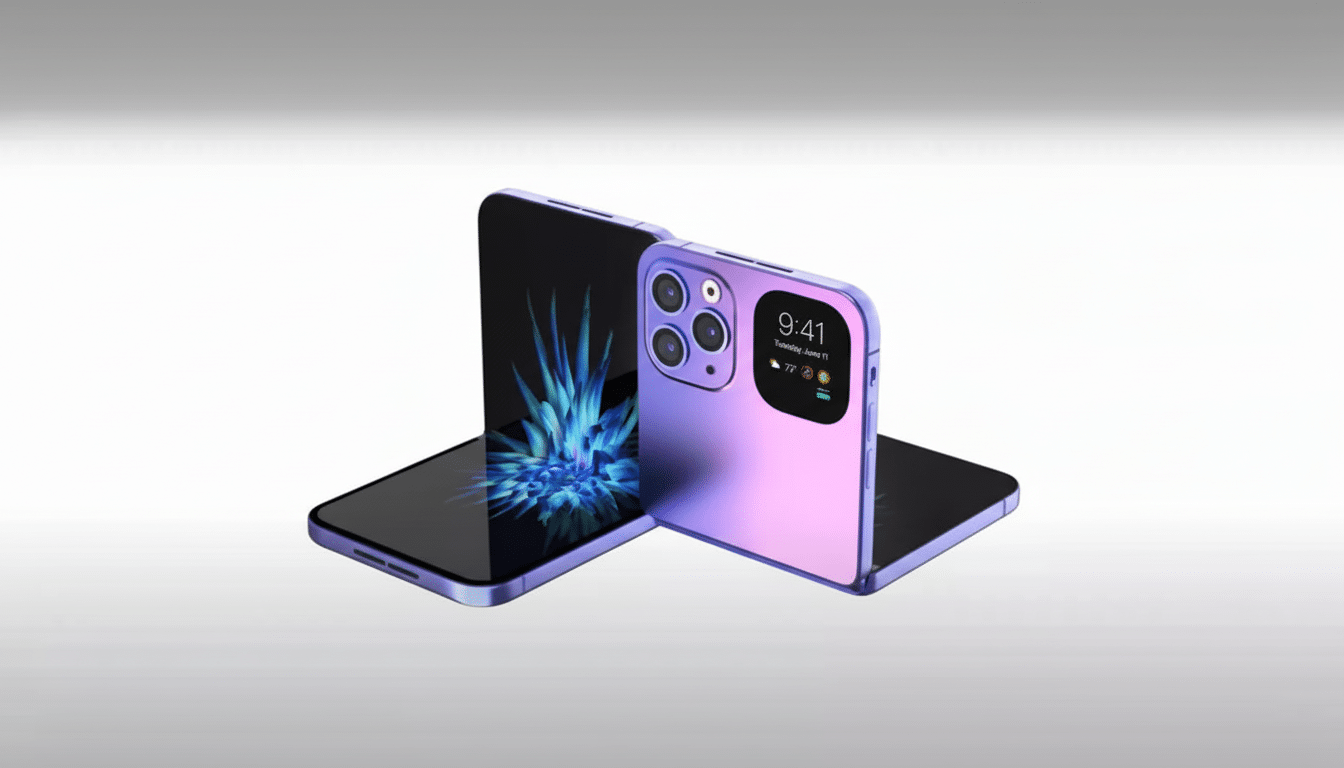
Hardware maturity is a critical factor here. The hinge is lighter in recent generations, the ultra-thin glass is harder, with more subtle creases, and durability testing that goes into the hundreds of thousands of folds. Water resistance is no longer a premium exclusive, and battery density and cooling have finally caught up with the requirements of larger flexible panels.
On the software side, large-screen Android features and continuity APIs now come out of the box; there are updated popular apps with better multi-pane layouts. That means new buyers will be less likely to run into broken layouts or jarring transitions between folded and unfolded states.
The Apple Effect and More Foldable Form Factors
IDC forecasts the single largest accelerant will be Apple’s first folding iPhone, rumored to arrive late this year. The firm also models a $2,400 launch price and day one capture of 22% of foldable unit share and 34% of category value, which highlights how premium pricing and brand pull could “turn the lights off” overnight.
Apple’s entrance will not occur in a vacuum. Samsung’s tri-fold concept — now radio-approved for commercial deployment in the US early next year — offers a tablet-class screen that neatly slides into your pocket. Huawei’s foldables that use HarmonyOS continue to push the needle as far as hinge engineering and slimness are concerned, at least in China. Combined, those launches broaden the menu of phones from clamshells and book-style units to multifold designs that could sub in for a small tablet.
Rumors suggest some quirky hardware experiments, from “metallic glass” hinges to under-display cameras of perhaps 20 MP or more. If Samsung can pull off these touches, this might be the time when “foldables” stop feeling like a beta test and start reading as polished flagships.
The Numbers Behind the Change in Foldable Adoption
Momentum is already building. Over the same period last year, there was 14% year-over-year growth for foldables in Q3, thanks in part to book-style devices like the latest generation of Galaxy Z Folds and new entrants into the space, according to Counterpoint Research. IDC sees that surge continuing, with 17% CAGR for foldables through 2029 compared to just 1% growth in traditional smartphones during the same period.
Prices are also tilting the category’s revenue narrative in its favor. With average selling prices that are often three times the amount of mainstream phones, foldables add disproportionately to the top line even at modest volumes. That becomes an issue as component prices — like, say, DRAM — rise and crush margins on midrange slabs.
Regional nuances will shape share. Apple’s gains will be largely at the expense of Android-based foldables worldwide, IDC predicts, with Huawei selling a similar amount compared to 2018, implying that Chinese demand for Apple’s bendable product could be less sensitive to its arrival than some other markets.
What Mainstream Adoption Might Look Like for Foldables
“Mainstream” won’t mean majority share overnight. Instead, you should expect foldables to be added as a reflex on the shelves of carriers and in qualifying upgrade conversations, especially at the premium end. Aggressive trade-ins and financing make clamshell models easier than ever to afford, especially if you’re an enterprise buyer; book-style and even tri-fold designs flirt with the pocketable productivity screen for power users.
Success will depend on getting the little things to work: reliable app continuity, tough screen protectors resistant to peeling and less apparent creasing — and thinner frames that don’t feel top-heavy. The sleeper could be the enterprise, as field workers and executives find a single foldable can stand in for both their phone and too-small tablet.
Risks and What to Watch as Foldables Go Mainstream
The runway is not entirely smooth. Supply limitations in flexible OLEDs, difficulty with yields on multifold panels, and an increase in memory prices could either cap volumes or result in higher prices. But a marquee launch that flopped or fell short would sour sentiment. And should headlines on durability point in that direction, fence-sitters may sit another cycle.
Yet the ingredients for a mainstream moment are finally in the bowl: Form-factor diversity has become credible, durability appears to be improving, software is maturing, and a high-profile new entrant has emerged. If IDC’s predictions, along with some recent shipment data from Counterpoint, hold true, 2026 might mark the year foldable phones no longer require an explanation — and instead just become the default upgrade for premium buyers.
