


Amazon will reimburse $1.5 billion to customers as part of a settlement with the Federal Trade Commission that ended a high-profile, two-year courtroom battle over how the company treated members in its Prime program. The overall settlement was valued at $2.5 billion, including a $1 billion civil penalty, and intends to address deceptive sign-up flows and barriers to canceling subscriptions that regulators said resulted in tens of thousands of cancellation requests being denied or ignored.
The settlement came midtrial in federal court in Seattle, after jurors heard evidence about design tactics that prosecutors said pushed shoppers toward Prime and made quitting unnecessarily hard. The FTC said the company had violated the FTC Act and the Restore Online Shoppers’ Confidence Act, the main statute in this country that polices subscription “dark patterns.”
- What the Settlement Covers: Refunds and Penalties Explained
- How Refunds to Customers Would Work Under the Deal
- Changes to Prime Sign-Up and Cancellation
- Why the FTC Went After Prime’s Sign-Up and Cancellation
- What It Means for Amazon and Its Competitors
- What Customers Need to Know About Eligibility and Safety
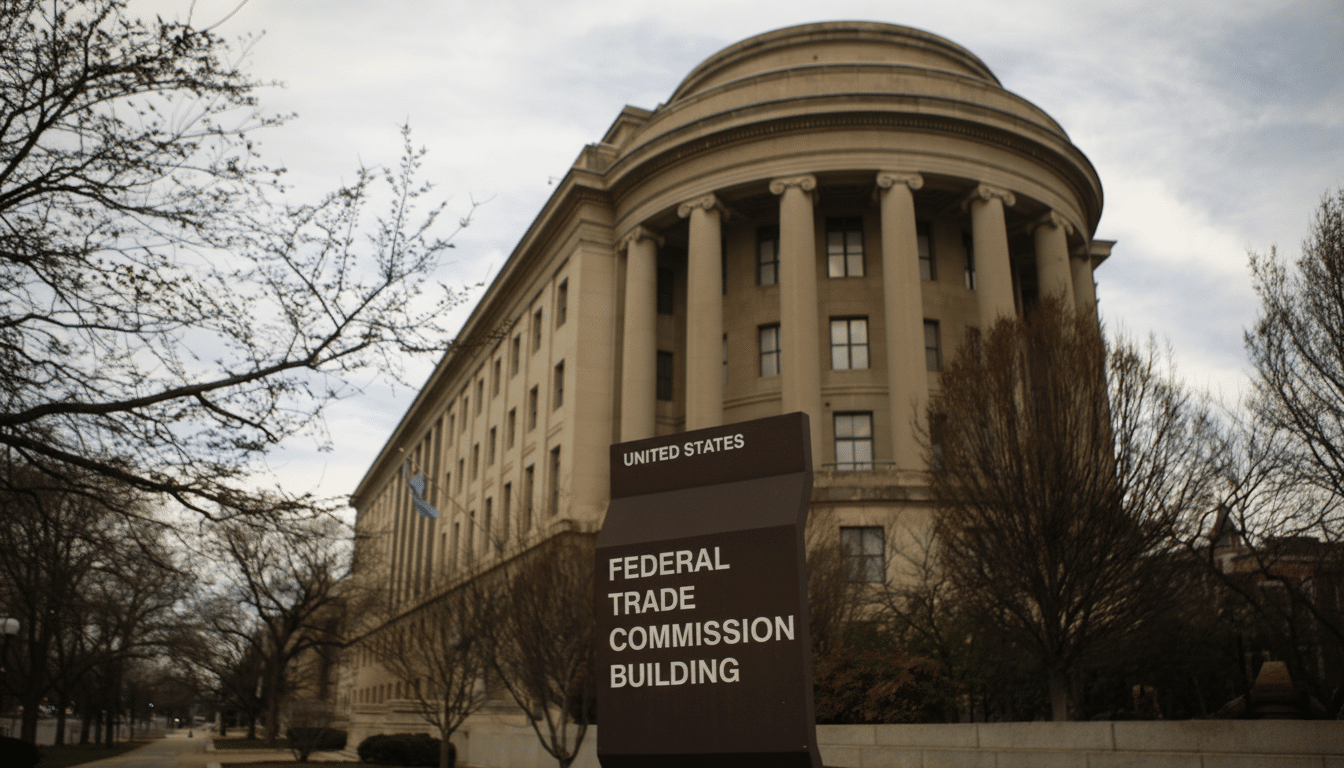
What the Settlement Covers: Refunds and Penalties Explained
The agreement is composed of two major prongs: a $1 billion settlement paid to the government, and another $1.5 billion in funds set aside for consumer refunds. About 35 million people are expected to be eligible for the payments, according to the FTC. If evenly distributed, the refunds would average about $42 per customer — although the final amounts will be based on how the agency’s distribution plan and individual account histories shake out.
In court filings, regulators said Amazon designed Prime enrollment prompts and checkout pages to direct customers into free trials that converted to paid memberships, while hiding a more prominent exit. They also complained that canceling was a labyrinthine process, which took too many clicks and followed confusing pathways — hallmarks of dark patterns, designs that make it difficult for a customer to do something they intended to be easy in the first place and that are coming under scrutiny as subscriptions proliferate across the digital economy.
How Refunds to Customers Would Work Under the Deal
As part of the agreement, an independent third-party monitor will oversee compliance and refund distribution — a guardrail that is commonly applied to complex or high-dollar consumer payouts. Specific time frames were not revealed, but the agency typically informs affected consumers directly and may send checks, digital payments or credits depending on what is most appropriate under the circumstances. Consumers should be aware of any outreach received and verify that the communication does in fact come from the FTC or Amazon to avoid getting scammed.
The FTC has returned billions of dollars to consumers in previous subscription and dark pattern cases, typically announcing disbursement updates and eligibility language as funds become available. You can expect similar visibility here given the amount of money in this refund pool.
Changes to Prime Sign-Up and Cancellation
In addition to the payment of money, Amazon agreed to a package of future design and policy changes intended to prevent recurrence of the alleged violations. To ensure it’s easy for consumers to opt out of Prime, the company will offer a large, visible button to refuse Prime and cannot use misleading language like opt-out phrases, such as prompts that suggest declining Prime is equivalent to saying no to free shipping.
Cancellation should also be easy and through the same touchpoint that was used to sign up, without any hassle or added expenses. Those demands echo best practices the FTC has identified for subscriptions: clear disclosures, explicit consent, easy cancellation and a halt to manipulative choice architecture.
Why the FTC Went After Prime’s Sign-Up and Cancellation
Prime is part of the same virtuous retail flywheel Amazon has built to deliver speedy shipping with streaming and other perks. It is that centrality that makes the way people join and leave exactly what regulators honed in on. In addition to this announcement, the FTC has been constructing an enforcement record around dark patterns and subscription traps. Further actions against Vonage over cancellation fees and Epic Games for misleading interface designs in its digital storefront led to nine-figure settlements.
In claiming ROSCA violations, the agency is saying tactics for growth that muddy consent or confuse exit paths will no longer fly — particularly at places that have the reach to set industry norms.
What It Means for Amazon and Its Competitors
Monetarily, the penalties are sizable but not insurmountable for a company that has disclosed hundreds of billions of dollars in annual sales and tens of billions in profit. The longer-lasting impact may be operational: a required redesign of important conversion and retention flows, ongoing scrutiny and an elevated compliance bar that — at the far margins — could modestly suppress enrollment rates if they were leaning on ambiguity.
For the overall market, though, the case is a shot across the bow. Product teams at e-commerce, streaming, and app subscription platforms need to reassess their sign-up and cancellation paths, eradicate guilt-tripping copy from these routes as much as possible while also striving for parity in how users opt in versus opting out. Regulators appear perfectly willing to marry design mandates alongside generous refund pools when they detect systematic harm.
What Customers Need to Know About Eligibility and Safety
Customers who think they were signed up for Prime without clear consent — and then tried to cancel — may be eligible for refunds. Be wary of outreach with instructions on how to collect money, and verify the credibility of a message through guidance provided by the FTC. In the meantime, it’s not a bad idea to double-check your current subscription settings and make sure that renewal preferences are aligned with what you want.
The settlement is more than just a money grab. It is forcing the redesign of one of the web’s best-known content paywalls, and reaffirms that convenience cannot be achieved at the expense of clarity about making a choice. And if the FTC’s objective was to prompt behavior change at scale, this is precisely the sort of case that does move the needle.
