


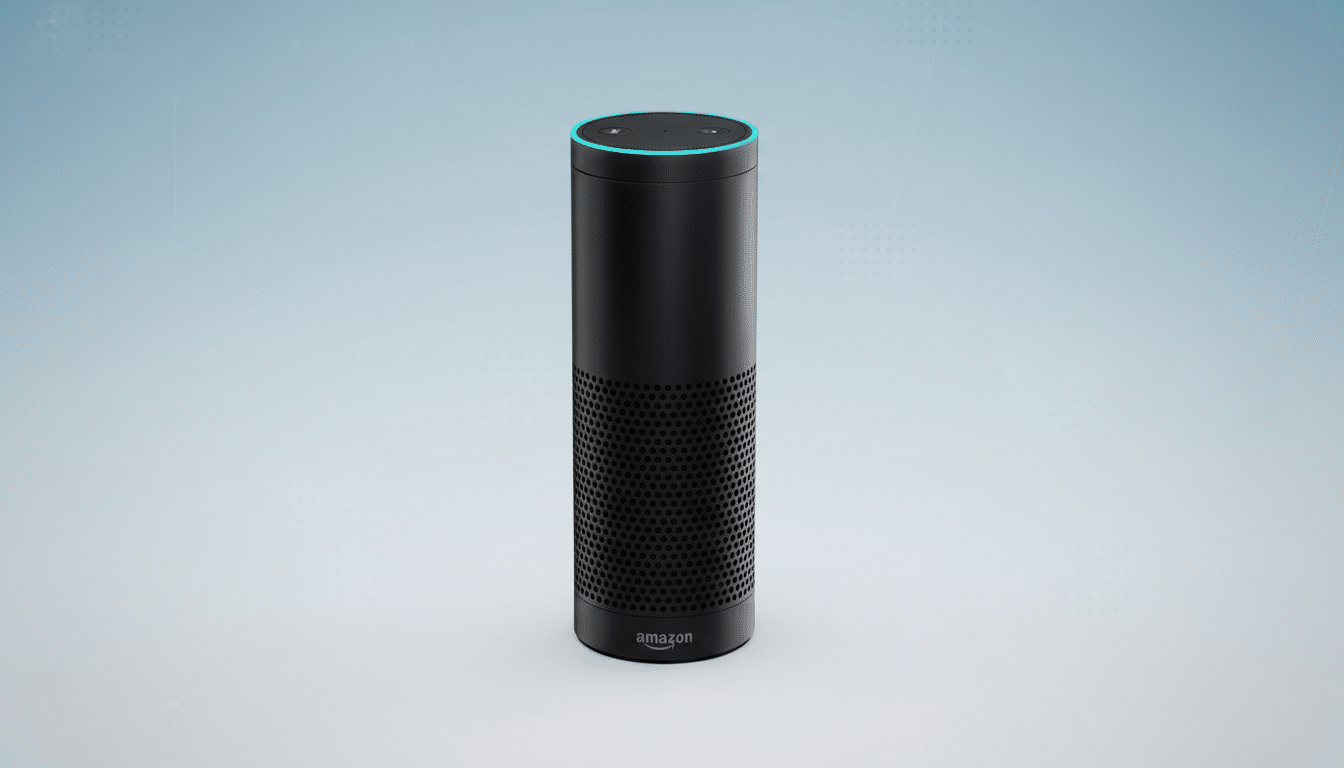
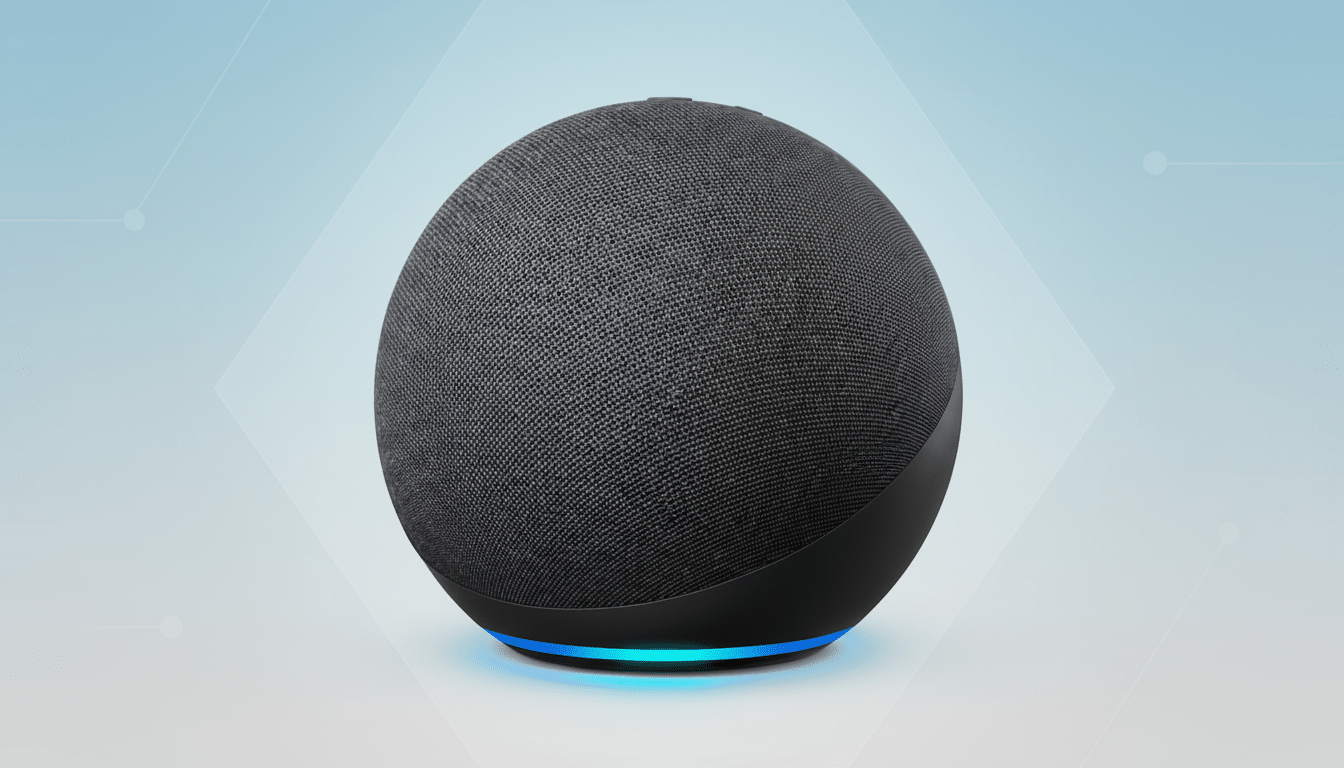
Amazon is leaning on the sheer scale of its hardware footprint to propel its next-gen voice assistant, saying 97% of the devices it has ever shipped can run Alexa+. With internal figures citing more than 600 million devices sold, the company is positioning Alexa+ as a sweeping upgrade that reaches far beyond new Echo speakers to legacy gadgets already in homes.
The company’s updated assistant layers generative AI on top of familiar voice features. Alexa+ promises more natural conversation, broader world knowledge, and autonomous “agent” capabilities that can carry out tasks such as hailing a ride or ordering dinner. Amazon says “tens of millions” of customers can now opt in, up from about 1 million early testers last year, and it is prioritizing access for Prime members before a full public rollout.
Alexa+ Targets a Massive Installed Base of Devices
Backward compatibility at this scale is rare in consumer electronics, and it’s central to Amazon’s pitch. The company indicates most Echo and Fire TV models — and many other Amazon-made devices — will gain Alexa+ primarily through cloud-side upgrades. That approach reduces the need for hefty on-device processing, tapping AWS for the heavy lifting while keeping voice controls ambient and hands-free.
Amazon Alexa and Echo VP Daniel Rausch underscored that the installed base and brand familiarity give the assistant a head start in daily routines. He argues that being “always there” in the kitchen, living room, and car matters more as assistants evolve from one-shot commands to proactive help that can coordinate multiple steps.
Rollout Strategy and Prime Perks for Early Access
There’s still no firm date for universal availability. Amazon is deliberately pacing the release, steering early access toward Prime members. That strategy echoes how Amazon has historically folded premium features into its membership to boost retention and lifetime value, a playbook seen with video, music, and grocery benefits.
In practical terms, Alexa+ is designed to reduce friction. Instead of juggling separate apps, an agent could set a movie night scene: dim the lights, switch the TV input, adjust the thermostat, and queue a streaming service. For errands, it could compare delivery ETAs, place orders, and send confirmations without handoffs. Early demos have emphasized these multi-step flows as the signature leap over legacy voice commands.
Competitive Landscape and Key Partnerships Emerging
The timing lands amid a reshuffle across consumer AI. Apple has signaled plans to bring Google’s Gemini technology to Siri, while standalone AI assistants like ChatGPT and Claude are competing for research, coding, and productivity tasks. Amazon’s counter is ubiquity: a living room speaker, a car integration, a TV interface — and now, access points beyond hardware.
Just ahead of CES, Amazon introduced Alexa on the web and a redesigned mobile app that foregrounds a chat-style interface. On the partner front, Samsung showcased smart home tie-ins, BMW highlighted in-vehicle voice control, and Oura demonstrated wellness integrations. Amazon also spotlighted its acquisition of Bee, an AI wearable focused on personal recall and insights, signaling future connections between on-body context and at-home assistance.
What 97% Compatibility Really Means for Users
Support doesn’t guarantee feature parity. Older microphones, speakers, and displays may not deliver the same responsiveness or multimodal experiences as newer models. Expect the richest, lowest-latency performance on recent Echos and display devices, with cloud processing smoothing out most gaps on legacy hardware. Amazon will also need to set clear expectations on data handling, latency, and opt-in controls as more conversations and tasks route through generative models.
Privacy and transparency are likely to be scrutinized. Consumer advocates and regulators have previously pressed voice platforms on retention policies and human review of recordings. As Alexa+ takes on more agency — from payments to location-aware actions — permissions, audit trails, and easy off-switches will be table stakes for trust.
What to Watch as Alexa+ Rolls Out to More Users
The key indicators now are usage and breadth.
- Does daily engagement grow as agents reduce friction?
- Do developers retool “skills” into task-oriented agents that chain services together?
- Do partners in autos, appliances, and wearables deepen integrations that make Alexa+ feel truly ambient across contexts?
If Amazon can turn its 600-million-device footprint into active Alexa+ users — starting with Prime households — it could set the pace in consumer AI by virtue of presence, not just model benchmarks. The 97% claim is the opening gambit; sustained, everyday utility will determine whether it sticks.
