


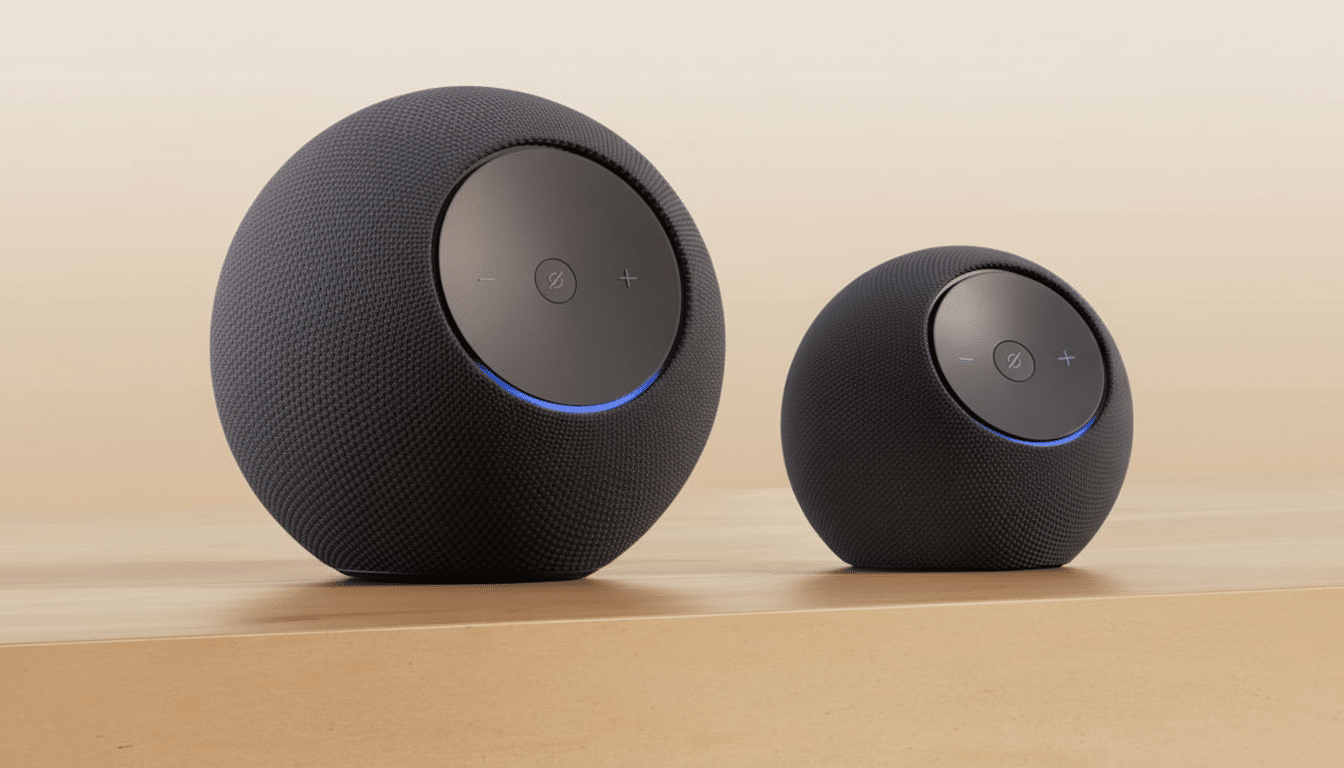
Amazon is recharging its smart home strategy with a completely back-to-the-studs revamp of the Echo family, including four new Echo devices built around new custom silicon and a renewed focus on on-device AI. The added lineup now includes the Echo Dot Max, Echo Studio, Echo Show 8 and Echo Show 11, all designed to further democratize Alexa as a conversationalist, contextually conscious, and just plain better-sounding.
Here, the headline changes are all under the hood: new AZ3 and AZ3 Pro chips that will aim to help cut response times, reduce reliance on the cloud, and better understand your commands in a noisy room. This layering in of ambient intelligence is the focus of a new sensor platform called Omnisense (see “Should Alexa be ad-supported?”), which can cause Alexa to react to what’s going on in your home without being constantly prompted.
Custom Silicon to Fuel the Echo Lineup Refresh
The Echo Dot Max is being launched with Amazon’s AZ3 chip, which has been tailored for microphones and more lifelike back-and-forth interaction with the company’s enhanced assistant experience, Alexa Plus. Amazon reports that the new silicon filters out background noise and boosts wake word detection by over 50% compared to previous Echo Dot hardware, a meaningful improvement for kitchens, living rooms, and dorms or anywhere chatter and TV audio can confuse smart speakers.
The Echo Studio and both Echo Show models graduate to AZ3 Pro. Alongside all that the AZ3 does, it’s optimized for running language models and vision transformers on-device. That’s a big deal for responsiveness and privacy: more inference occurs on the device, which can cut latency for follow-up questions, and make visual tasks — like framing someone in a video call — feel snappier as well.
Echo Dot Max and Echo Studio Boost Audio Quality
The Echo Dot Max is a new level for the company’s compact speaker line, and it’s more than just a cosmetic bump. Amazon is promising triple the amount of bass versus the Echo Dot (5th gen) thanks to a two-way system, featuring a high-excursion woofer and custom tweeter — it’s the first time on a Dot you get an actual two-way setup. The housing also has the speaker module built in, which may help to bring down echoing and make for a cleaner sound.
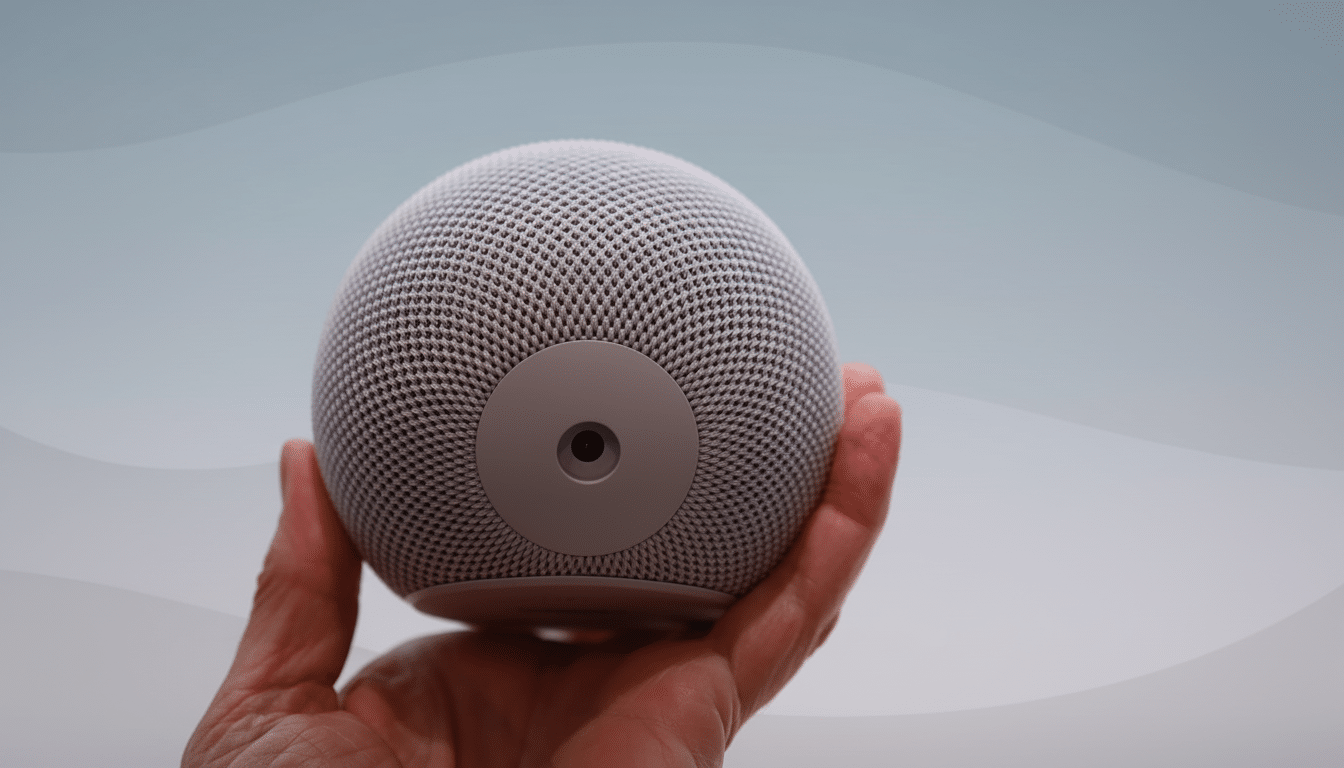
The redesigned Echo Studio is smaller — Amazon says its cabinet volume is reduced by about 40% compared to the first generation — but it retains an audiophile bent with a high-excursion woofer and three full-range drivers. The spatial audio processing and Dolby Atmos support make a comeback, now paired with the new silicon for better tuning. For home theaters, you can connect up to five Echo Studio or Echo Dot Max devices to a compatible Fire TV Stick for a wireless surround system. The company will also begin selling Alexa Home Theater bundles to make that pairing easier.
Echo Show 8 And Echo Show 11 Get More Refined Displays
The new Echo Show 8 and larger Echo Show 11 feature in-cell touch and a negative liquid crystal design that reduce the layers on the display, widening the viewing angle and improving perceived sharpness. The end result is clearer text when using glanceable widgets and richer video while streaming or on video calls.
Both versions have a 13MP camera and redesigned sound system with front-firing stereo speakers, full-range drivers, and a custom woofer. Paired with AZ3 Pro, the Shows are set for quicker visual experiences — read: a camera that auto-frames more quickly and transitions more seamlessly between voice- and touch-based commands.
Omnisense and Ambient AI Features in the Home
Omnisense is Amazon’s new sensor platform that builds on the company’s mission to help Alexa understand and act on real-world context. They could, for instance, nudge you if the garage door is left unlocked at an inappropriate time, or remind you when a particular person enters a room. These context-aware automations lessen the barking of commands and play on the notion that the best smart assistants proactively predict your needs rather than only responding to them. All features are optional, and individuals can choose how and when they’re activated.
Pricing and availability for the new Echo devices
Preorders are open now.
- Echo Dot Max: $99.99
- Echo Studio: $219.99
- Echo Show 8: $179.99
- Echo Show 11: $219.99
In the United States, purchasers of any of the new devices get Alexa Plus out of the box.
Why this Echo revamp matters for smart home users
Pushing language and vision models on the device is a strategic change that accords with where consumer AI is headed. Local processing can trim latency, make systems more reliable when internet connections hiccup, and do more at the edge. Canalys and IDC analysts have reported that shipments of smart speakers are easing, with many homes reportedly having enough; generative and ambient AI features are the most believable upgrade cycle motivators.
Amazon remains out in front of the U.S. smart speaker installed base according to Edison Research’s Infinite Dial and other industry trackers, but competitors are closing in with their own multimodal assistants and more tightly closed platform integrations. Combine better sound with custom silicon and context-aware automation, and it seems this generation of the Echo is engineered to maintain that lead — while giving owners new reasons to buy up into a new model.
