


Amazon is also announcing a new feature for Alexa+ that will turn Ring doorbells into conversational concierges. The feature, known as Greetings, can talk to delivery drivers and tell them where to put a package; politely turn away solicitors; and record voice messages from friends or family members if you’re not available — all powered by multimodal artificial intelligence that analyzes what the camera at your doorstep sees and hears.
It’s a big move away from those canned “quick replies.” With visual context and natural language, Alexa+ seeks to make front-door interactions feel less transactional and more helpful in the key moments, especially in families that receive packages often or hear unexpected knocks on the door most every day.
- How Alexa+ Greetings Works on Ring Video Doorbells
- Compatibility and rollout for supported Ring models
- Real-world uses, benefits, and current limitations
- Privacy considerations for Alexa+ Greetings on Ring
- Market context and the competitive environment today
- The bottom line on Alexa+ and Ring’s AI concierge
How Alexa+ Greetings Works on Ring Video Doorbells
Amazon says Greetings uses video descriptions from Ring to figure out who the dominant subject is in front of the camera at any given time, and provides a tailored response based on that. It evaluates the clothes, actions and objects — say a carrier with a parcel — and follows homeowner instructions. That may mean instructing a courier where to leave a package, directing them to water or snacks left outside for their own safety’s sake, or asking when they could return if a signature is mandatory.
The company stresses that this process is categorizing what’s taking place, not who is doing the visiting. It does not name a person. That is different from Ring’s separate Familiar Faces feature, which allows owners to tag up to 50 frequent visitors for more targeted notifications in the Ring app.
Owners can also customize how Alexa will respond using the phrase, “If someone is selling something, don’t buy it.” Should a visitor stop by while you are otherwise occupied, Alexa can ask them to leave a message that gets delivered in the app — a small but useful touch for making sure connections don’t get missed.
Compatibility and rollout for supported Ring models
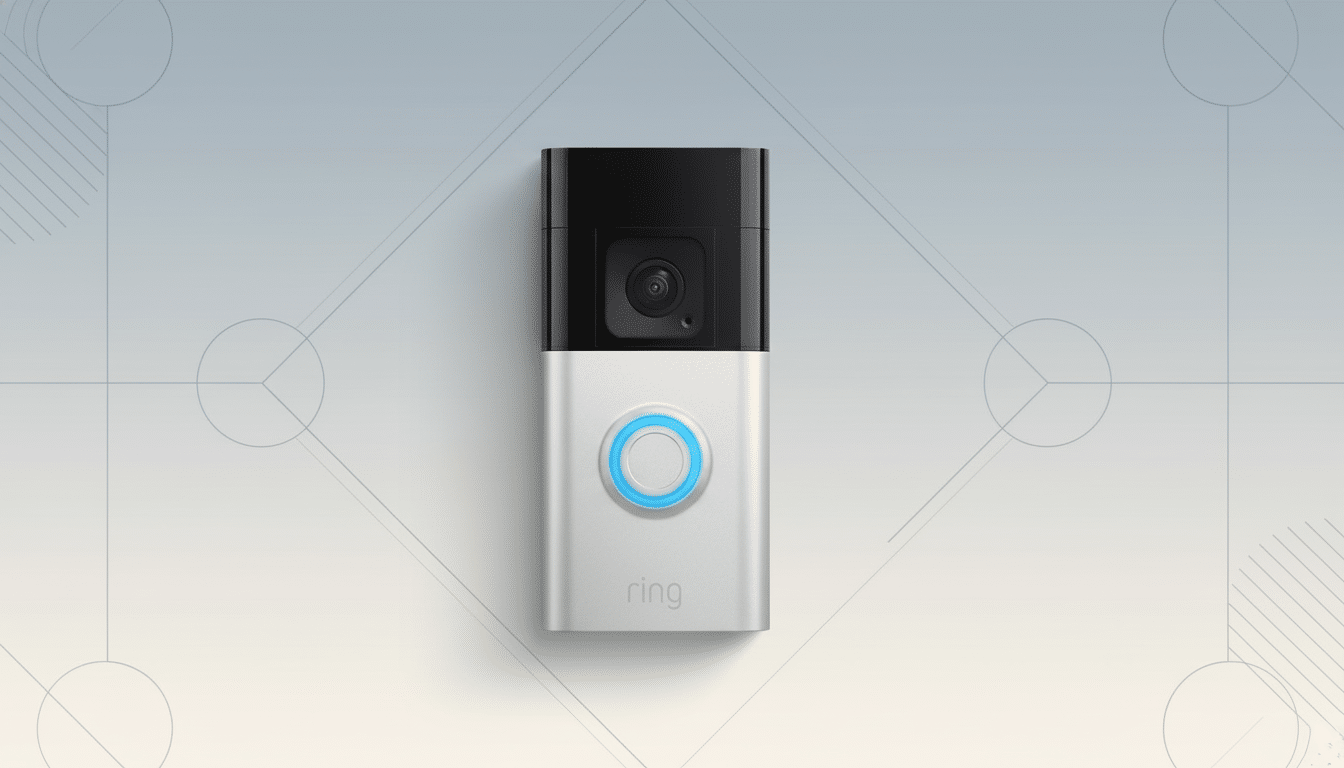
Greetings is coming to Ring Wired Doorbell Pro (3rd Gen) and Ring Wired Doorbell Plus (2nd Gen) on October 14. It needs a Ring Premium Plan with video description turned on and is first coming to Alexa+ Early Access users in the U.S. and Canada.
That staged debut mirrors how Amazon has been seeding a larger “ambient intelligence” vision: introduce advanced AI features to a subset of compatible devices and iterate based on their real-world use, rather than push out a one-size-fits-all upgrade across your product portfolio.
Real-world uses, benefits, and current limitations
The attraction is clear for delivery-saturated households. More than 21 billion parcels ship annually in the United States, according to the Pitney Bowes Parcel Shipping Index, which means that missed signatures and porch logistical puzzles are not exactly unusual. Greetings can attempt to bridge those gaps by asking clarifying questions and feeding your responses back through.
Yet any automated concierge has edge cases. A neighbor in a delivery uniform coming home from work might be mistaken for a courier. And while visual recognition has made major strides, it can be thrown off by lighting, perspective, or odd items, generating clunky or incorrect responses. Amazon’s design decision to keep identity recognition separate helps to rein in overreach, but it doesn’t eliminate the risk of misclassification.
Privacy considerations for Alexa+ Greetings on Ring
Ring’s history all but guarantees that it’ll be held up to privacy scrutiny. Civil liberties groups, including the A.C.L.U., have raised concerns about aspects of doorbell cameras and data sharing in the past. Amazon says that Greetings relies on video descriptions to grasp context, and also explicitly claims it doesn’t recognize people. It is up to users if video descriptions are on, and they can further adjust settings or switch off features altogether.
The distinction between helpful context and invasive analysis will be closely watched. Transparent and understandable disclosures, retention controls, and the ability to opt out will probably be what makes or breaks conversational doorsteps in the eyes of homeowners. And transparent, granular controls will matter as much for Familiar Faces as technical verisimilitude.
Market context and the competitive environment today
Smart doorbells are now a commodity category, and the deficit is changing from hardware specs to on-device intelligence. According to Parks Associates, 19% of U.S. internet households owned a video doorbell by 2023 — which represents a large installed base that’s in the market for software-driven updates. Google’s Nest products, along with Arlo and Eufy, provide strong detection as well as canned responses, but a full-on back-and-forth by the door is more of a work in progress.
And now, Alexa+ offers Amazon a way to compete with natural, organic back-and-forth conversation connected to the household’s own preferences. If it becomes trustworthy — and doesn’t ruffle too many privacy feathers — anticipate that such “AI concierge” modes will trickle down to other entry points, from garage keypads to intercoms, and spread beyond deliveries into service visits and scheduled appointments.
The bottom line on Alexa+ and Ring’s AI concierge
By taking conversational AI to the front door, Amazon is experimenting with a practical, high-frequency use case for Alexa+. The reward is less friction, not to mention fewer missing deliveries; the challenge is building trust while working at the edge of cameras and microphones. How Amazon negotiates issues of accuracy, consent, and control will determine whether this is a headline feature or just another smart home novelty.
