


Amazon is gearing up for a significant change in its e-book approach, revealing that it will offer direct EPUB and PDF downloads of newly published DRM-free Kindle titles by the end of next month.
It’s a step that pushes the world’s largest e-book store toward more interoperability, and may make life simpler for readers who prefer Kobo, PocketBook, or Onyx Boox — or any other non-Kindle device.
- What’s Changing for Kindle Buyers and Non-Kindle Devices
- Why EPUB and PDF Matter for Kindle and E-readers
- Authors and Publishers Still Control the Keys
- Piracy Fears and Pragmatic Realities for Book Files
- What It Means for the E-Reading Market and Devices
- The Bottom Line: A More Open, Portable E-Book Future
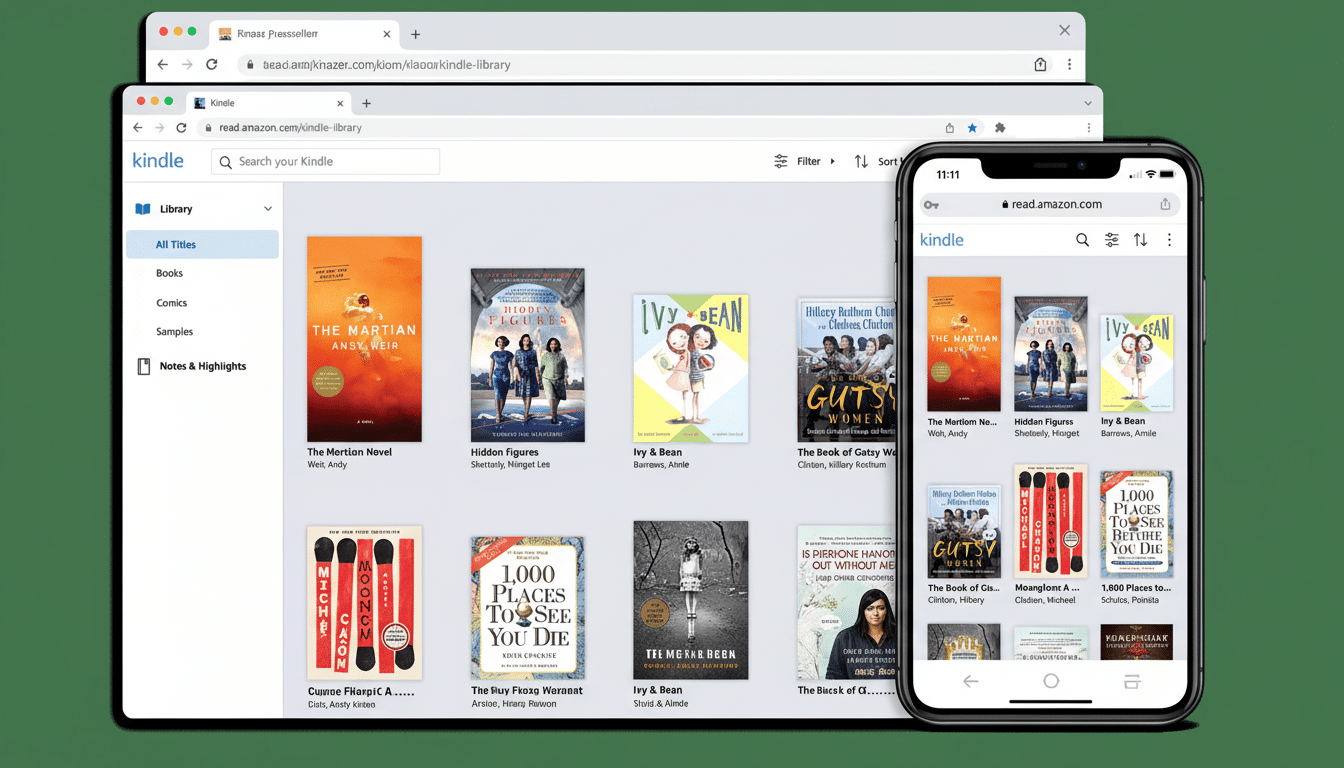
What’s Changing for Kindle Buyers and Non-Kindle Devices
Until now, when you bought a book on Amazon’s Kindle Store, that purchase was more or less locked into the universe of Kindle apps and hardware — even though many books had no form of access control, known as digital rights management. Readers were often forced to use cumbersome downloads, e-mail conversions, or third-party desktop tools to move files to other e-readers. With native EPUB and PDF downloads for DRM-free books, friction should plummet.
Amazon product pages already indicate whether a title is DRM-free — look for the “Simultaneous device usage: Unlimited” wording in the details. That expansive selection is slated to receive downloadable EPUB and PDF files, a first for Kindle purchases. DRM-free titles that already exist could continue to use current systems, but fresh releases will jump in right from the start.
Why EPUB and PDF Matter for Kindle and E-readers
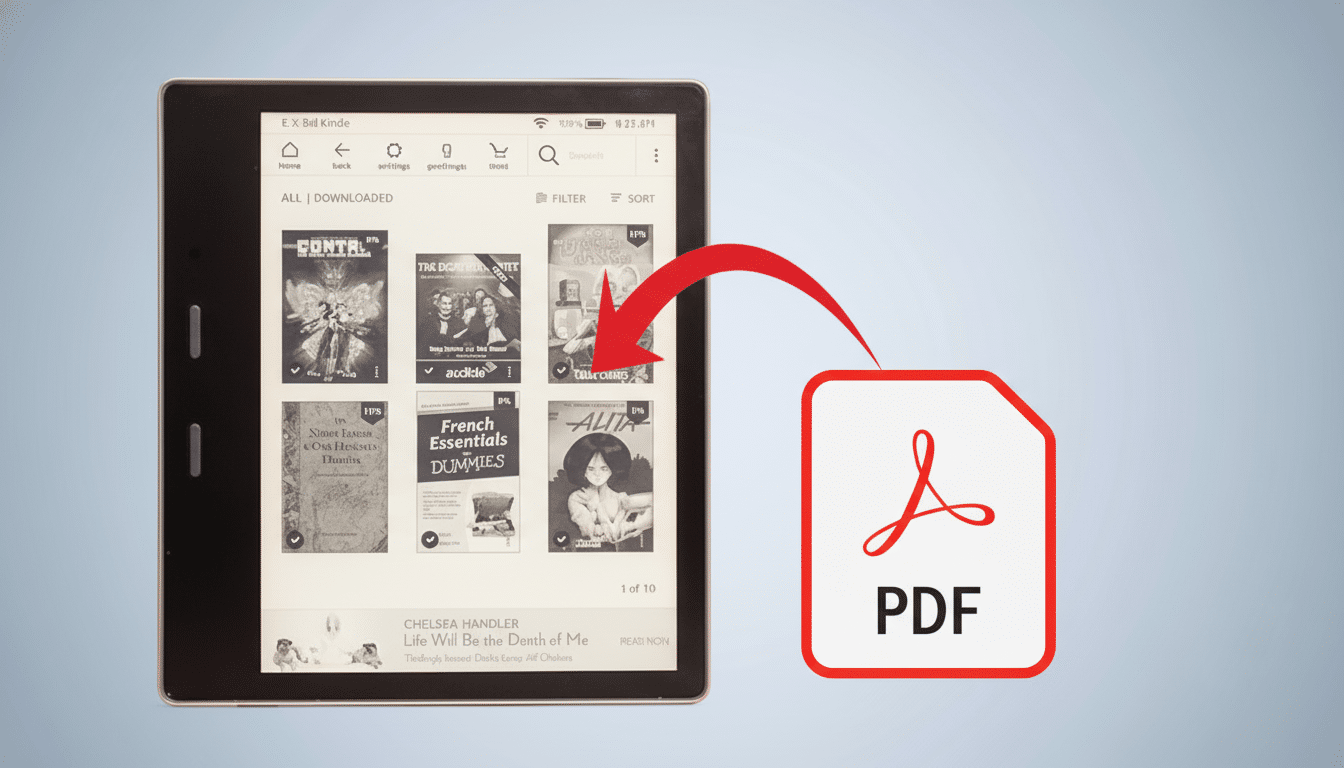
EPUB is the industry standard format for reflowable text, capable of rendering dynamically paced typography and ships with built-in support across platforms. It’s the lingua franca for rivals like Kobo and Barnes & Noble. PDF, as an ISO standard, maintains fixed-layout content and is suitable for textbooks, graphic-heavy titles, and reference docs.
Kindle hardware and apps have depended on Amazon’s own formats, such as AZW and KFX. Amazon loosened up a bit in recent years, allowing personal documents to be sent as EPUB via Send to Kindle, but that material was converted and separated from store purchases. Providing store-bought files as native EPUB and PDF ends the biggest gap in compatibility for readers who have a lot of different devices.
Authors and Publishers Still Control the Keys
Only titles published without DRM are affected. Authors and publishers select a DRM setting at upload through Kindle Direct Publishing — and for the most part, once that choice is made it sticks for life. Side note: If a publisher allows DRM, there will not be an option to download either EPUB or PDF.
So the strategy is in the rights holders’ wheelhouse. Indie authors who are already distributed in multiple stores could view expanded interoperability as a sales lift. Big publishers, traditionally averse to the risks of ungated file distribution, may opt for DRM as the best means of slowing down sharing and maintaining the status quo on a significant portion of their front-list output.
Piracy Fears and Pragmatic Realities for Book Files
Some writers have expressed concerns that one-click EPUB or PDF downloads will make unlicensed sharing more convenient. That concern isn’t new. Organizations including the Electronic Frontier Foundation contend that DRM frequently punishes paying customers without much deterring digital-daylight robbers, who tend to go after whatever they can get their hands on. For readers who do pay, though, the experience counts — and when it’s more pleasant to read a book on any given device, satisfaction (and retention) go up.
And the risk may be greatest for PDFs, which mimic print layouts and are easily shareable. EPUBs are portable as well, but continue to be the format of choice for mainstream e-reading devices, library lending, and accessibility. Expect publishers to try to calibrate format availability genre by genre and audience by audience, loosening constraints for backlist titles, which are older books that have already recouped their costs, and tightening them for early-release bestsellers.
What It Means for the E-Reading Market and Devices
Analysts have long observed that Amazon has a stranglehold on the U.S. e-book market, and surveys from Pew Research suggest about 33 percent of Americans report reading e-books in a typical year. Loosening the lock-in of Kindle purchases to proprietary formats could softly nudge competition in devices and lower some of Amazon’s artificial barriers, especially for readers who also use library apps or academic databases or tablets issued by their workplace.
For the likes of device makers such as Rakuten Kobo and software platforms developed on Readium, the decision reduces barriers for Kindle purchasers to experiment elsewhere without losing what they have already bought. It could also simplify commercial-use cases such as schools with EPUB-centric accessibility standards or businesses distributing training manuals in PDF.
The Bottom Line: A More Open, Portable E-Book Future
Amazon’s announcement that it will bring EPUB and PDF downloading support to DRM-free Kindle books is a pragmatic acknowledgment of how people actually read across devices, contexts, and ecosystems. It doesn’t crack DRM and it will not change the policies of protected titles. But for readers and creators who are already on board with DRM-free publishing, it’s still a welcome step in the direction of a more open, portable, user-friendly e-book landscape.
