


Amazon is evolving its voice-based shopping appeal with new Alexa+ features that include — in the U.S. and Canada at first — real-time delivery notifications, last-second add-ons for orders, and on-screen gifting suggestions on Echo smart displays. The upgrade — focused on a new Shopping Essentials experience — is meant to transform Alexa+ from a useful assistant into a genuine store that lives on the kitchen counter.
Alexa’s Shopping Essentials hub is designed for Echo screens
Those devices now serve as shopping dashboards for Echo devices with displays, such as the 15-inch and 21-inch models. Customers can see incoming packages, check recent orders, receive reminders to reorder essentials, and review lists and saved items without having to open a phone. And the interface isn’t just informational — it’s interactive, allowing customers to tap for product details and then add items to a cart and check out inside the app.
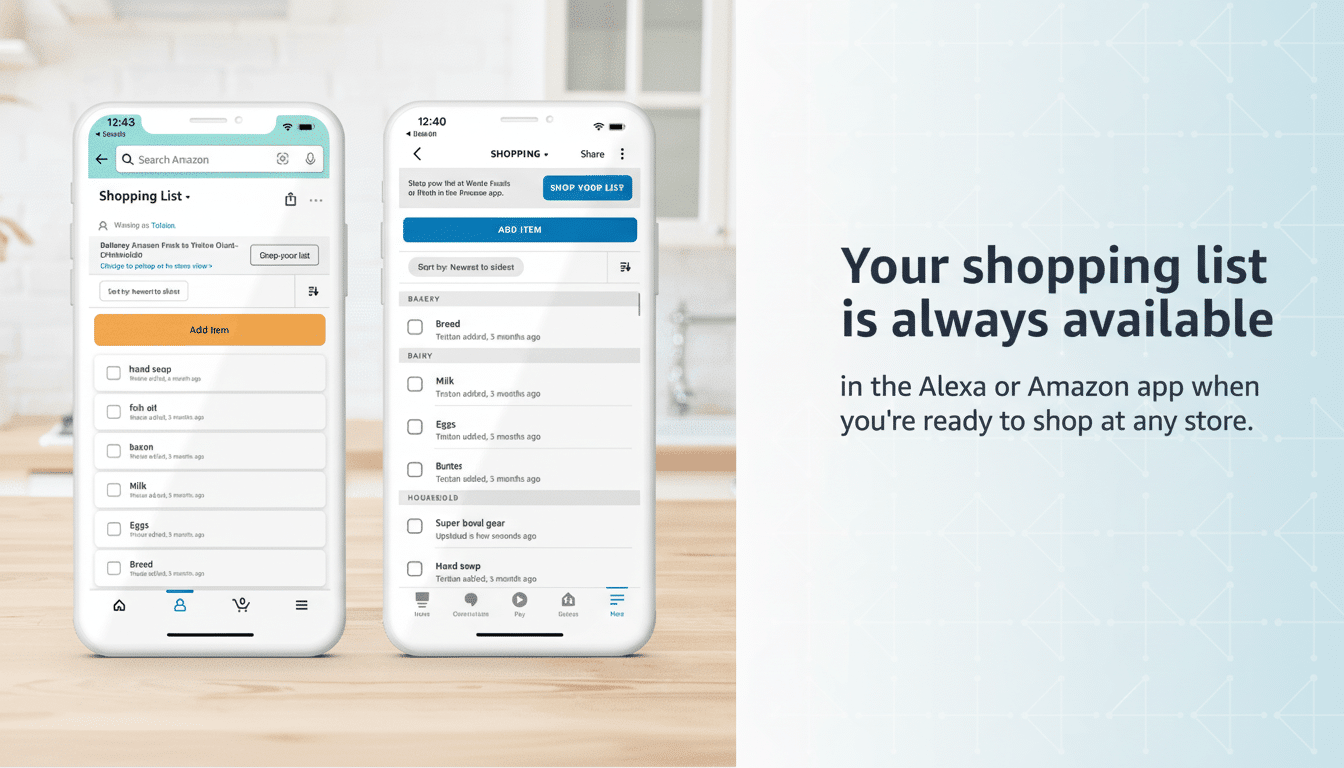
Access is straightforward. Say “Alexa, where’s my stuff?” or “Open Shopping Essentials” to open the hub. Amazon says a persistent shopping widget is also coming to the Echo home screen, so order status and reorders will become a glanceable routine alongside weather and calendar tiles.
Last-minute order additions and price-triggered purchases
A helpful feature for people who like to shop around: It’s now possible to add items to an upcoming delivery cycle from an Alexa device until the order ships from the warehouse. This resembles a feature on Amazon’s website and app but brings it to the living room, cutting down on that “forgot it after checkout” pain point that sometimes leaves people paying for extra shipping or abandoning their purchase.
Alexa+ also integrates its deal-tracking and auto-purchase tools. Users can enter a price point for products in their cart or lists and receive an Alexa notification when the product goes on sale. With automatic purchasing enabled, the assistant can also execute the order once the price falls to whatever predetermined level you set earlier. It’s an opt-in flow, designed to take the edge off what is often a “watch and wait” experience once sales peak.
Here’s a real scenario: You’ve discovered that you’re low on coffee filters as you verify tonight’s delivery. Ask Alexa to slip a one-pack onto that order before it heads out the door. For pricier items, set a price alert on a soundbar and let Alexa complete the purchase if it reaches your budget overnight.
On-screen gift ideas with personalized suggestions
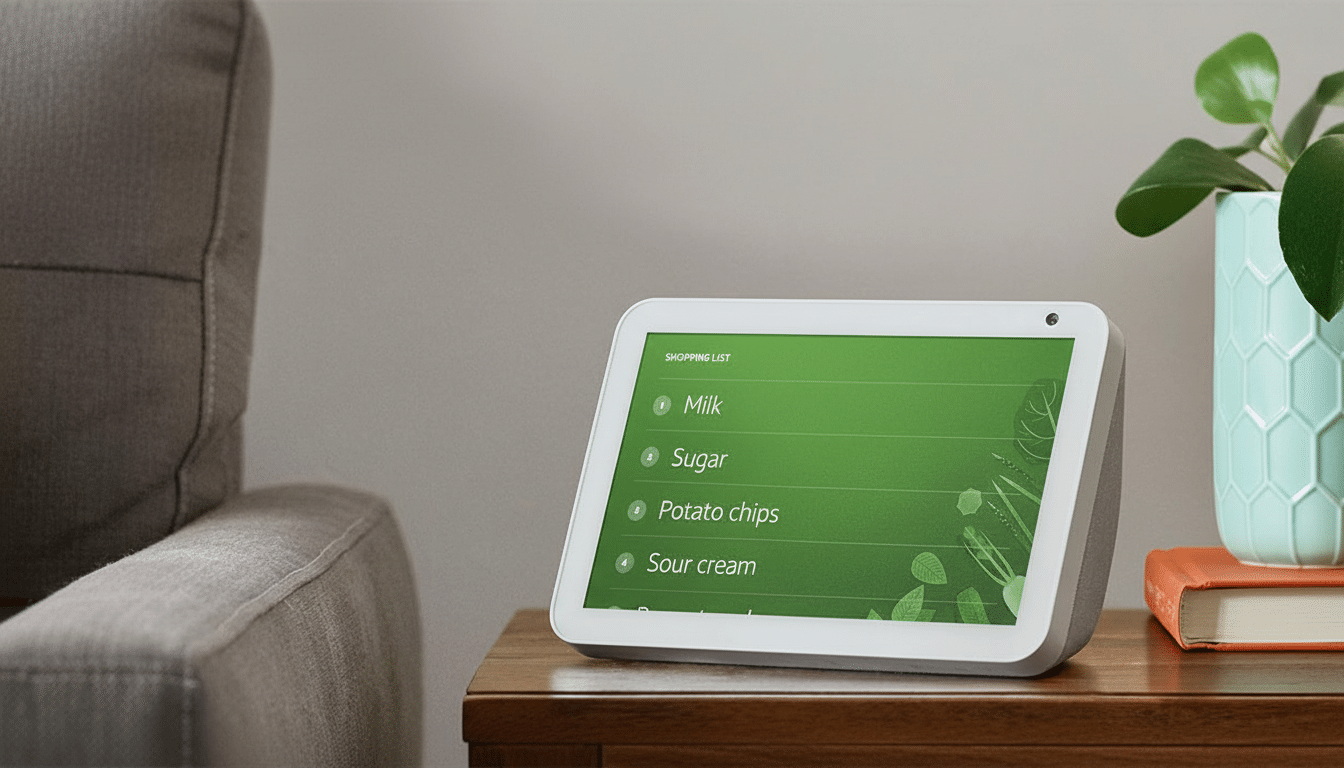
Alexa+ now recommends gifts after a brief description of the recipient or occasion. Say who you’re buying for and what they love, and the assistant will show you theme-organized picks on screen — like fitness items for that marathoner or STEM kits for a niece — so you can scroll through your options before hitting add to cart. Format counts: Studies from retail UX pros such as the Baymard Institute have long demonstrated that clear images and scannable categories reduce decision-making friction and improve conversion, a gap that voice-only shopping has had difficulty making up for.
Why Amazon is pushing voice commerce at this moment
Amazon has spent years pursuing the vision of voice shopping, but most people who own a device that uses its Alexa intelligent assistant will ask for music, set a kitchen timer, or request information before they make a purchase. CIRP and Insider Intelligence analysts have made repeated observations regarding the ways that commerce has fallen behind overall e-commerce trends for smart speakers, often due to trust and discoverability issues within voice-only flows.
Two shifts change the calculus. First, screens reduce two major sources of friction by allowing shoppers to verify items and compare alternatives, and in many cases view delivery timing, before they purchase. Second, Alexa+ is now in “tens of millions” of customer accounts, Amazon says — an installed base large enough to build upon over time. Amazon also claims that the percentage of Alexa+ users who have returned to the non-AI interface is at “the very low single digits,” an early indication that the assistant’s new abilities are sticking.
How to use it and what to watch for with Alexa shopping
To test the shopping hub, say “Open Shopping Essentials” to an Echo screen device or use a familiar phrase, such as “Alexa, where’s my stuff?” From there, you can tap into live delivery maps, recent orders, and lists or add items directly to your cart. The last-minute add feature operates until an order leaves the warehouse, at which point the cart freezes for that shipment.
Alexa+ users in the U.S. and Canada have access to these tools. Like any other voice purchase, payment and permissions default to your account settings and household profiles, so families may want to check that voice purchasing and notification preferences match who is allowed to buy things and who just gets approvals.
The strategic takeaway: Amazon is not ditching voice; it’s repositioning voice around on-screen confirmations, proactive deal logic, and quickly made post-checkout changes. If the combination can lower reordering friction and push more buyers from list to buy, it could finally turn voice-assisted shopping from novelty into routine.
