


Amazfit has rolled out the T-Rex Ultra 2, a 51 mm flagship that is the brand’s biggest smartwatch to date and a clear swing at the navigation-first, expedition-ready crowd. The rugged wearable pairs expanded offline mapping with beefed-up storage, pro-grade materials, and a battery tuned for multi-day travel. It’s launching at $549.99 with availability starting now.
Bigger Case Built For The Backcountry And Beyond
The Ultra 2’s 51 mm case gives it serious wrist presence, but that size also enables a brighter, more legible 1.5-inch AMOLED display protected by sapphire glass. A Grade 5 titanium bezel and case back keep weight reasonable at 89.2 g while upping scratch resistance and structural strength — a material choice more commonly seen on high-end multisport watches.
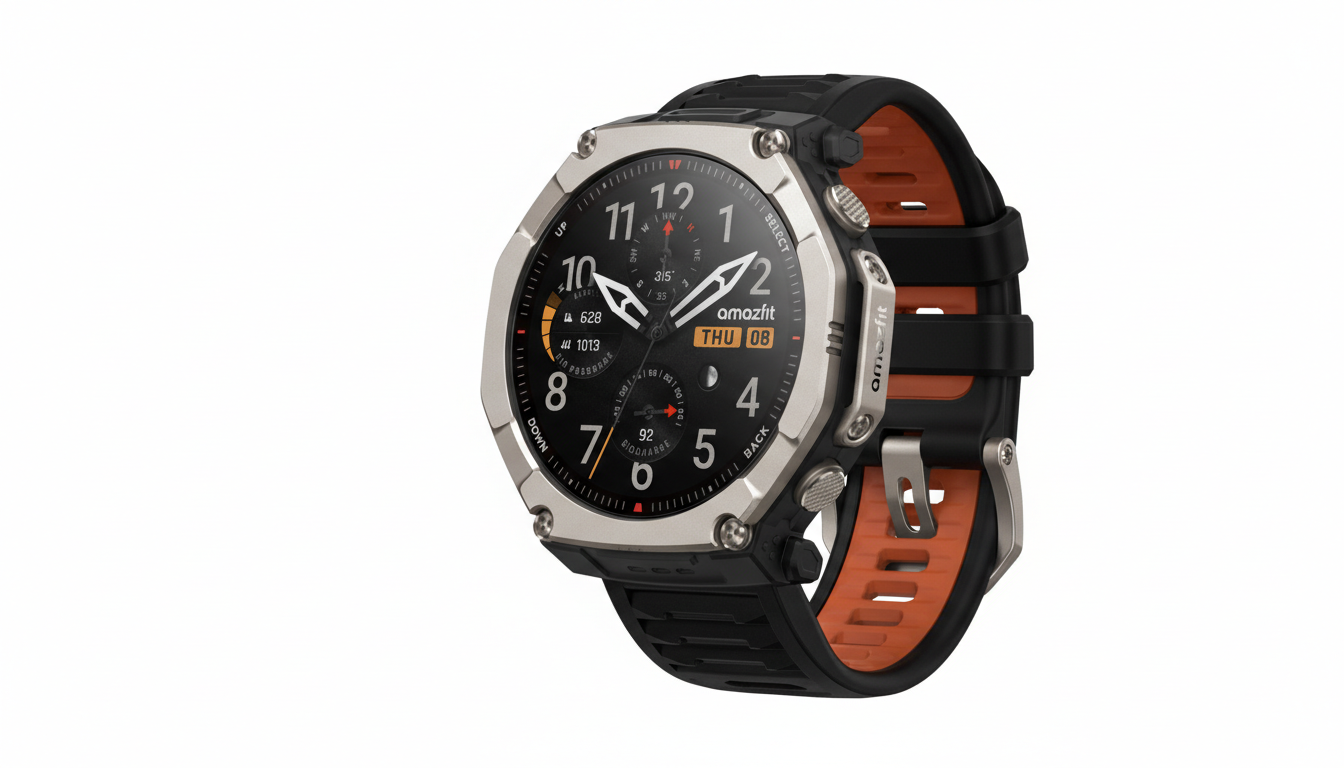
Water performance remains a standout: 10 ATM resistance with dual diving certification targets swimmers, snorkelers, and recreational freedivers. In low light, a built-in flashlight with white and green modes boosts visibility on the trail or deck, and a night-vision goggle mode reduces display interference when operating alongside NVG gear — a niche feature typically reserved for tactical-focused watches.
Navigation Tools Go Truly Offline For Adventures
The headline upgrade is navigation you can trust without a phone. Preloaded global maps can be installed for offline use, with point-of-interest search and on-watch rerouting that continue to work when you’re out of coverage. Offline route planning now scales up to 100 km, and the watch adds refined elevation profiles, climb segmentation, and checkpoint reminders to keep long efforts organized.
These are the kinds of tools that matter when you’re picking your way through a canyon or linking ridgelines with sketchy reception. While many smartwatches still lean on a smartphone for map data or route edits, the Ultra 2 pushes more of that capability onto the wrist — a practical win for hikers, bikepackers, and ultra runners trying to travel light.
Storage, Battery, And Training Upgrades At Launch
Under the hood, storage doubles to 64GB, giving ample room for detailed maps, playlists, and workout data. Training features expand with grade-adjusted pace for hill realism and voice memo capture via the built-in microphone — handy for logging trail notes or gear checks mid-session. A speaker and mic also support Bluetooth calling and audible alerts.
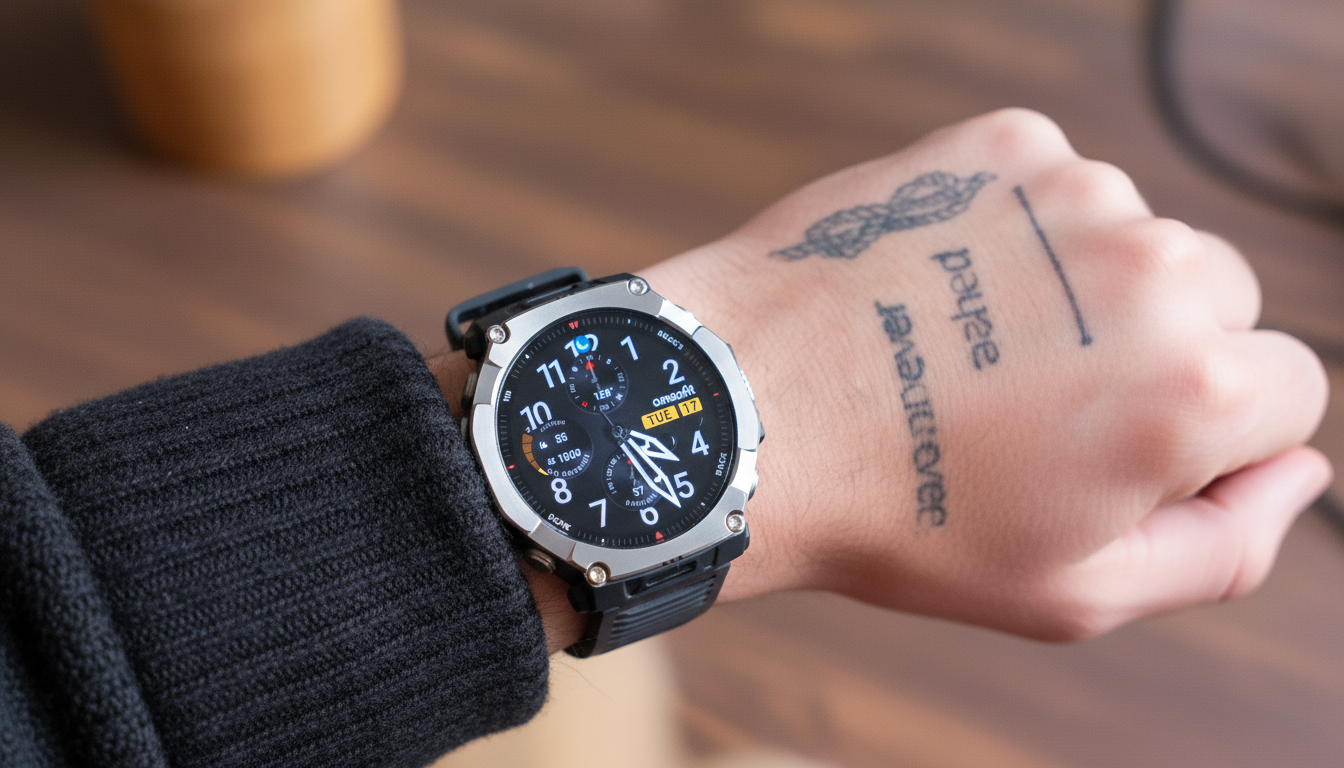
Amazfit rates battery life at up to 30 days in smartwatch mode and more than 50 hours of continuous GPS tracking. That puts the Ultra 2’s endurance squarely in expedition territory. For context, Apple Watch Ultra 2 advertises up to 36 hours of general use (and up to 72 hours in low-power conditions), while endurance-first models from Garmin can top the Ultra 2 in pure GPS hours but often cost more. The T-Rex Ultra 2’s balance of mapping features and multi-day stamina should hit a sweet spot for weekend trips and shorter expeditions.
Rugged Segment Heats Up As Features Expand
At $549.99, the Ultra 2 undercuts many premium adventure watches while bringing marquee features like sapphire glass, titanium hardware, and robust offline maps. That price sits well below an Apple Watch Ultra and under most Garmin Epix and Fenix Pro configurations. Industry trackers such as Counterpoint Research have noted growing interest in higher-priced smartwatches as users seek durability and advanced fitness features, and the Ultra 2’s spec sheet is calibrated to that trend.
It also plugs smoothly into the Zepp app ecosystem for training load, recovery insights, sleep staging, and long-term health trends. For athletes who care about readiness scores but don’t want to spend four figures to get strong navigation, this is a compelling middle path.
Who It’s For And Why It Matters To Adventurers
If your weekends include summit pushes, point-to-point trail runs, or scouting remote campsites, the Ultra 2’s offline-first navigation and bigger battery meaningfully cut reliance on your phone. Features like climb segmentation and checkpoint reminders translate well to race day logistics, while the flashlight and NVG-friendly display options are smart touches for pre-dawn starts and night sections.
The bottom line is straightforward: this is Amazfit’s most capable adventure wearable yet — larger, tougher, and more map-savvy — and it arrives at a price designed to pressure incumbents. For many outdoor enthusiasts, that combination will be the difference between leaving the phone in the pack and leaving it at home.
