


OLED has officially returned to Alienware’s top gaming laptops, and the reintroduction comes with a headline feature gamers have been asking for: a 240Hz refresh rate. I’ve seen the new 16-inch panels in person on the newest $1,400 16X Aurora, as well as some early systems with the screen like this Area-51, and a distinct benefit of TV-level contrast is nothing short of OLED magic, combined with an anti-glare surface that delivers an esports-grade speed feel for gaming laptops to me.
OLED Is Back in a Hurry That Matters for Gaming Laptops
The new 16-inch panels are capable of running at a resolution of 2,560 by 1,600 pixels (in a 16:10 ratio) and topping out at a refresh rate of 240Hz; the company rated them for an uncommonly fast 0.2ms response time.
- OLED Is Back in a Hurry That Matters for Gaming Laptops
- Competitive Combinations Built to Play at High FPS
- Arrow Lake Refresh Powers the New Alienware Line
- Why 240Hz OLED Changes the Feel of Play Significantly
- The 18-Inch Question for Alienware OLED Laptops
- Early Hands-On Takeaway From Alienware’s OLED Return
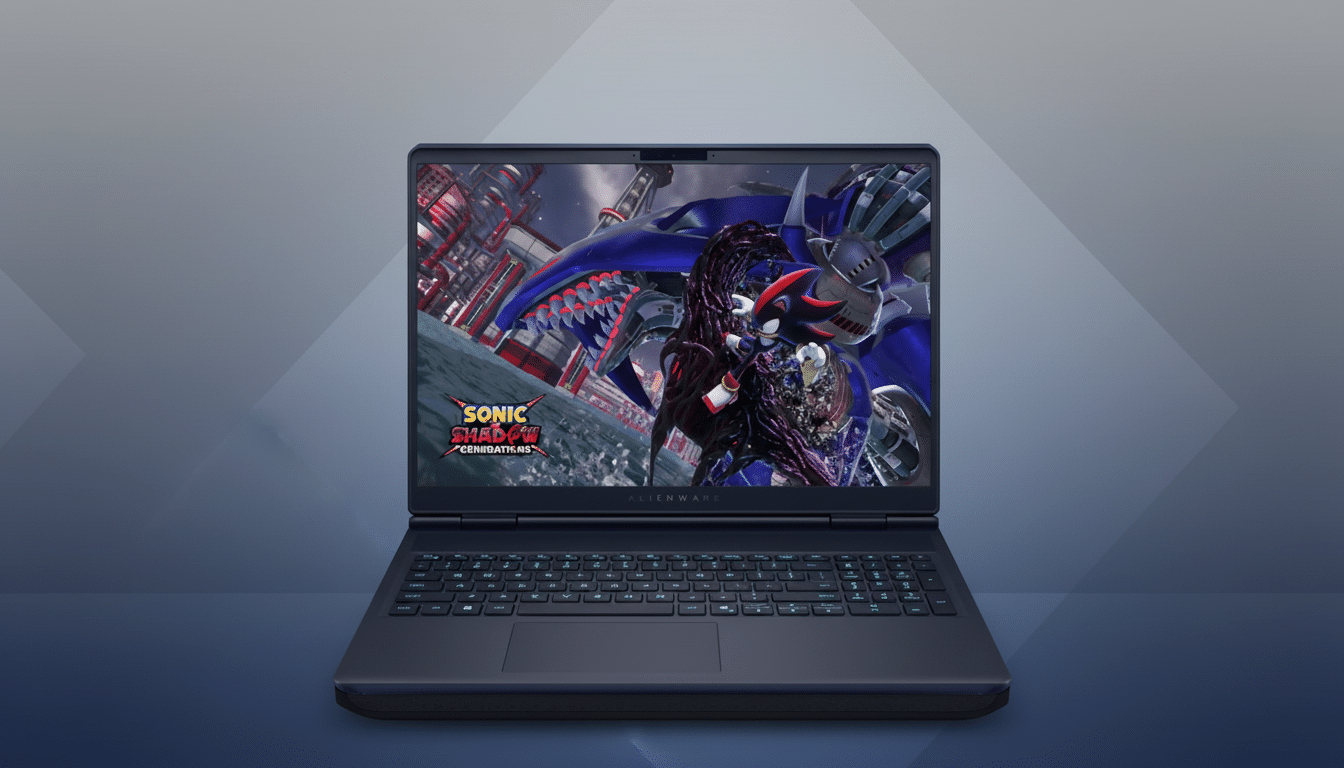
By way of context, 240Hz is a 4.17ms frame window, so sub-millisecond pixel transitions obviously help maintain clarity when things are at their most frantic. In a side-by-side sweep test I witnessed, fine HUD elements remained clear, and rapid camera pans held detail much better than standard IPS panels at the same refresh.
It’s reported to reach 620 nits with support for DisplayHDR 500, which will pair just fine with the near-zero black levels of an OLED to ensure that highlights really pop without compromising shadow detail.
The anti-glare coating is especially worth praising: it helps reduce the mirror-like reflections you often see on glossy OLEDs while still retaining that classic OLED pop. I noticed significantly fewer hot spots than I’ve seen on glossy screens under overhead lighting, but the image remained sharper than a true matte coating typically allows.
Competitive Combinations Built to Play at High FPS
Alienware is pairing the panel with GPU options that can properly drive it. The 16X Aurora comes with a choice of GeForce RTX 5060 or RTX 5070 options, while the Area-51 series starts at an already-impressive RTX 5070 Ti before bumping up to an RTX 5080 or tops out at another unannounced variant called the RTX 5090. Memory can be expanded up to 64GB for all of the models. On the 16X, storage maxes out at 2TB and up to 12TB in RAID 0 on the Area-51 models for creators running massive project files along with game libraries.
Chassis design is generally familiar but certainly premium: aluminum construction, per-key lighting, optional Cherry MX mechanical switches, and Dell’s Element 31 thermal interface in the Area-51 models. Raw wattage won’t matter so much as sustained performance will when you’re chasing 200+ fps, and cooling will be king in keeping both the CPU and GPU from clipping the panel’s potential.
Arrow Lake Refresh Powers the New Alienware Line
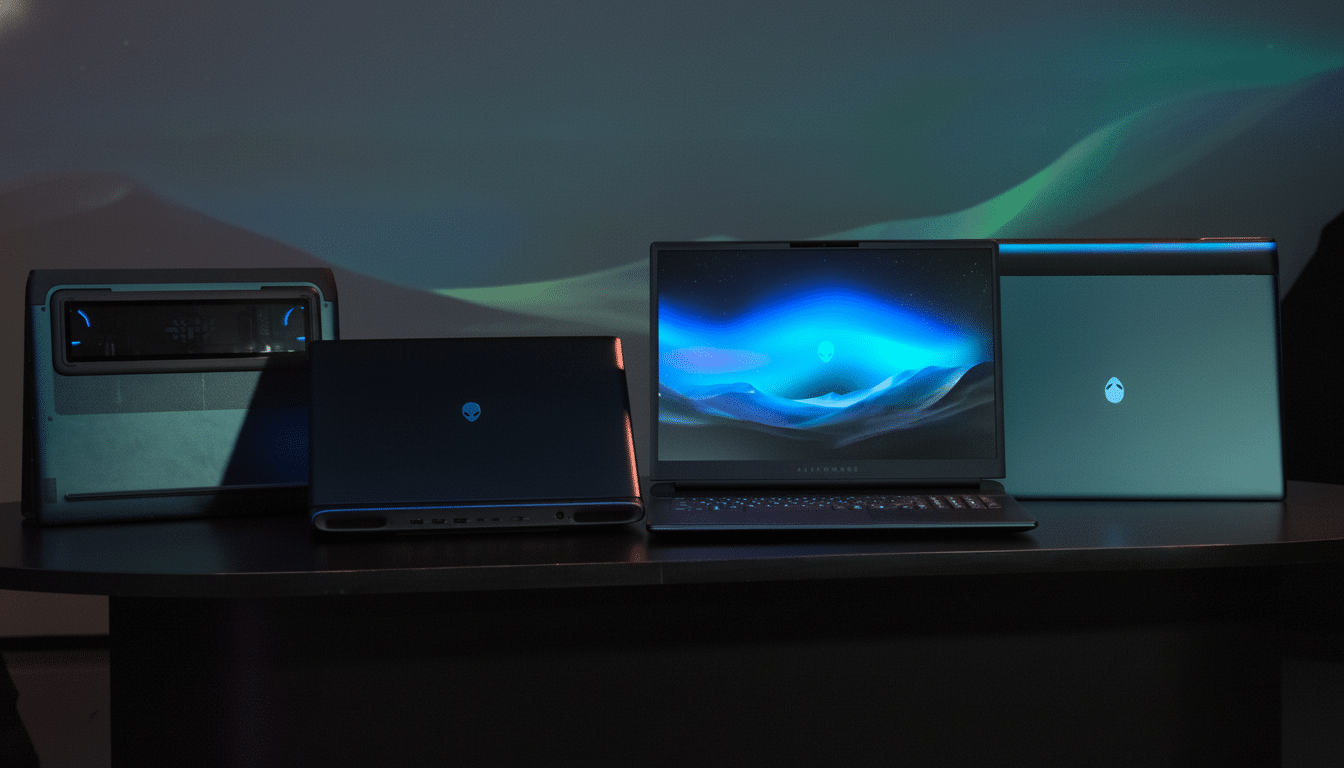
Under the bonnet, Alienware is switching to Intel’s new Core Ultra 200HX Arrow Lake Refresh platform on the 16X Aurora, 16 Area-51, and 18 Area-51. Don’t look for a significant leap in CPU performance from the first wave of Arrow Lake—think iterative improvements, increased efficiency, and platform refinements. The other story here for competitive gamers is the coupling of higher sustained clocks with Nvidia’s latest GPUs and a 240Hz panel.
Intel’s recent mobile platforms also feature on-chip AI acceleration, which game engines and broadcast tools are just now beginning to tap into. That’s not the headline here, but it provides useful context for streamers doing behind-the-scenes denoise, auto-framing, or scene separation while keeping frame rates high.
Why 240Hz OLED Changes the Feel of Play Significantly
OLED all but disappeared from many gaming laptops in recent years over panel cost and long-term reliability fears. Panel makers like Samsung Display and LG Display have since worked to advance burn-in risk mitigation and subpixel layouts, and we’re seeing a pragmatic return where it matters most: enthusiast systems. It’s a no-brainer the minute you boot up a fast shooter or racer. 240Hz motion clarity on OLED looks different, as there’s no backlight strobe or pixel smear trying to fake it—the pixels just change extremely fast.
The HDR lift is just as palpable. In darker scenes for gaming, OLED gives you real blacks without the haloing you’ll find on a lot of mini-LED as well as IPS screens, and highlights gleam at 620 nits. VESA’s DisplayHDR 500 badge isn’t the top tier of HDR ratings, but combined with OLED contrast it still results in a cinematic look that IPS panels can struggle to match.
The 18-Inch Question for Alienware OLED Laptops
Currently, the 18-inch Area-51 does not have an OLED option. That’s par for the course in the market; large-format laptop OLEDs are still hard to come by, and most 18-inch gaming rigs rely on lots of mini-LED zones for brightness. If you just want Alienware’s finest motion and contrast available today, the 16-inch machines are really your target. An 18-inch OLED in the future is not out of the question, but panel availability will determine timing.
Early Hands-On Takeaway From Alienware’s OLED Return
Alienware’s return to OLED at 240Hz is the sweet spot for competitive gamers and graphics sticklers all in one package. (There’s no official list of supported GPUs yet.) The antireflective design should maintain OLED’s lustrous image while diffusing glare, and the silicon roadmap—Intel’s Arrow Lake Refresh with Nvidia’s newest GPUs—should easily push pixels through the display in current titles. If you’ve been in the market for a gaming laptop that merges OLED contrast with true high-refresh responsiveness, then the 16X Aurora and 16 Area-51 finally seem like that kind of compromise.
