


In a twist that says a lot about the state of PC hardware, the Alienware 16 Aurora gaming laptop is now available for $999—making a brand-new performance machine cheaper than many memory upgrades. With RAM and GPU prices still riding the AI-driven wave, this cut puts a full-system refresh within reach of gamers and creators who have been holding off.
Why This Deal Beats a RAM Upgrade Right Now
Memory prices rebounded hard over the past year as data center demand soaked up supply. Market watchers at TrendForce reported multiple quarters of double-digit DRAM contract price increases, and PC OEMs have felt the squeeze. For consumers, a 64GB DDR5 SODIMM kit can run several hundred dollars; add OEM labor for models that require service-center access and you can be staring at a $400–$600 line item. In higher-end mobile workstations with vendor-certified modules, costs climb further. Against that backdrop, a $999, game-ready laptop is not just competitive—it’s pragmatic.
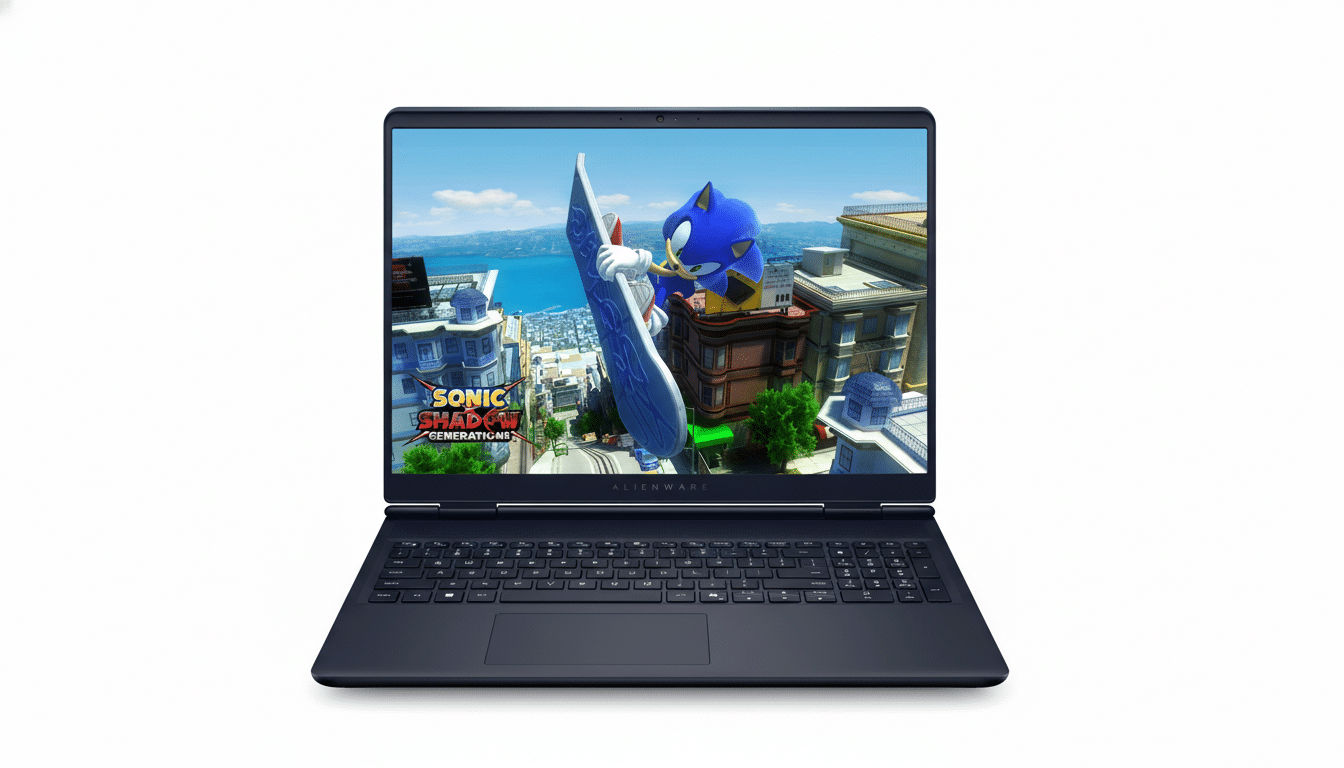
What You Get For $999 in This Alienware 16 Aurora
The Alienware 16 Aurora at this price pairs an Intel Core Ultra 7 240H—capable of boosting to 5.2GHz—with an Nvidia GeForce RTX 4050, 16GB of DDR5 memory, and a 512GB SSD. That mix comfortably targets modern titles at 1080p and even 1440p with settings tuned. In esports staples, the RTX 4050 routinely pushes triple-digit frame rates; in big-budget single-player games, DLSS and Frame Generation can lift performance by 30–60% in supported titles, according to testing from outlets like TechSpot and PCWorld. For creators, the Core Ultra chip’s integrated NPU supports on-device AI acceleration in compatible apps, keeping light ML tasks off the CPU and GPU.
The roughly 21% discount (about $270 off list) isn’t the deepest we’ve seen on gaming laptops overall, but it’s unusually aggressive for an Alienware configuration that balances CPU cores, a current-gen RTX GPU, and fast memory without obvious bottlenecks.
Display And Mobility That Fit Real-World Daily Use
The 16-inch panel runs at 2560 x 1600 with a 120Hz refresh rate, giving you the extra vertical space creators crave and the smoothness gamers expect. Coverage up to 100% sRGB means accurate color for web-bound content, while a built-in blue light filter takes the edge off long sessions. Despite the gaming pedigree, the chassis leans slim and weighs just under 5.5 pounds—commuter-friendly for a machine with discrete graphics.
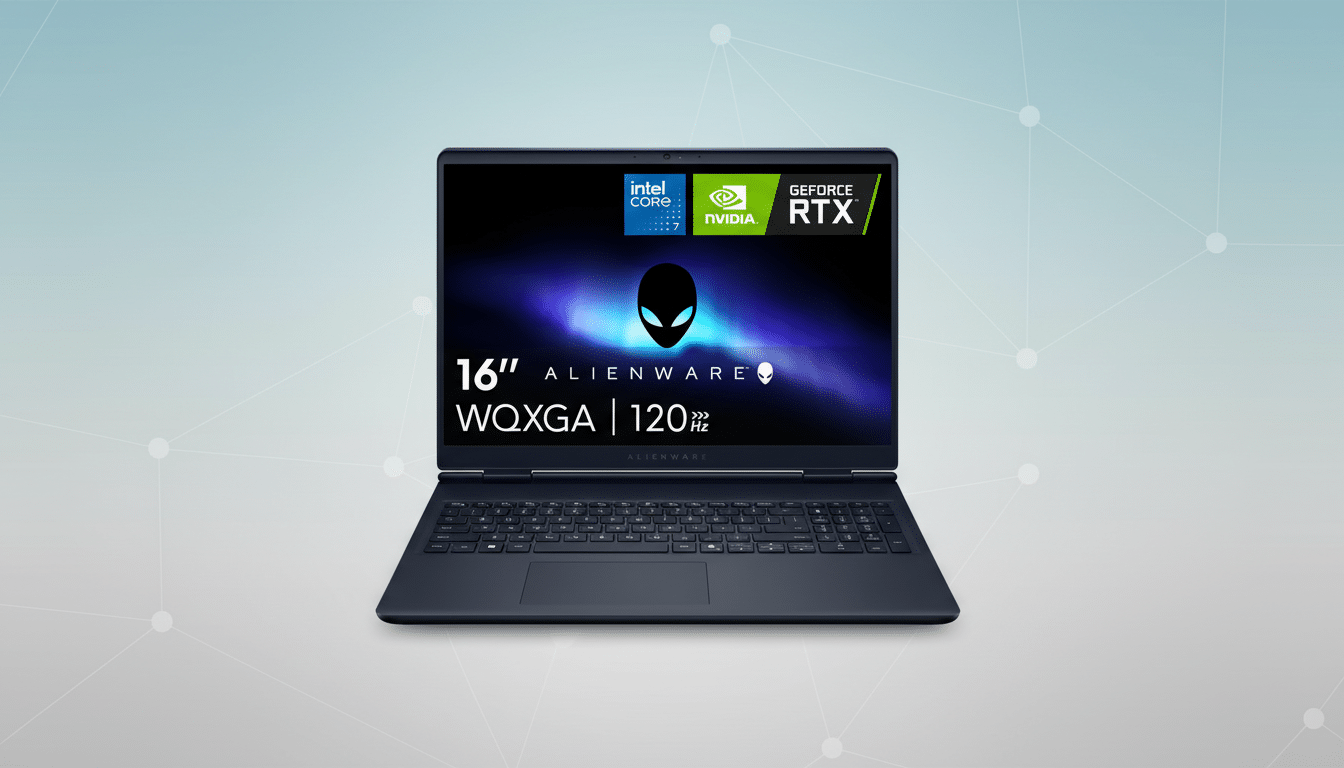
Connectivity keeps pace: Wi‑Fi 7 support future-proofs your wireless throughput as routers catch up, and Bluetooth makes it simple to pair modern headsets and mice. Battery life is quoted at up to 10 hours in lighter workflows. As with any gaming laptop, sustained play will drain faster, but the endurance makes travel days and lecture halls much easier.
Who Should Jump On This Gaming Laptop Deal
If you’re on a three-to-five-year-old system contemplating a RAM bump and a storage swap, this deal is the cleaner path. You sidestep compatibility headaches, thermals tuned for newer silicon, and the diminishing returns of upgrading piecemeal. It’s also a smart first gaming laptop for students who want a capable machine for media projects and weekend matches, or for creators who need GPU acceleration in Adobe apps without paying workstation premiums.
The Pricing Context You Need To Evaluate This Deal
DRAM price volatility isn’t imaginary. Industry trackers such as TrendForce and IDC have flagged how AI server demand reshaped supply, lifting PC memory and storage pricing through 2024. Meanwhile, Jon Peddie Research has highlighted higher average selling prices across discrete GPUs. That’s why sub-$1,000, brand-name gaming laptops with current-gen parts are becoming the value plays—especially when they avoid the slow CPUs or tiny SSDs that usually sink budget configs.
Bottom Line: Why This Sub-$1,000 Alienware Deal Matters
At $999, the Alienware 16 Aurora offers a balanced spec sheet, a high-refresh 16-inch display, and modern connectivity at a time when a serious RAM upgrade can cost a surprising amount. If you’ve been delaying a build or piecemeal upgrade due to the AI-inflated parts market, this is the rare moment when buying the whole laptop makes more sense than feeding an aging machine.
