


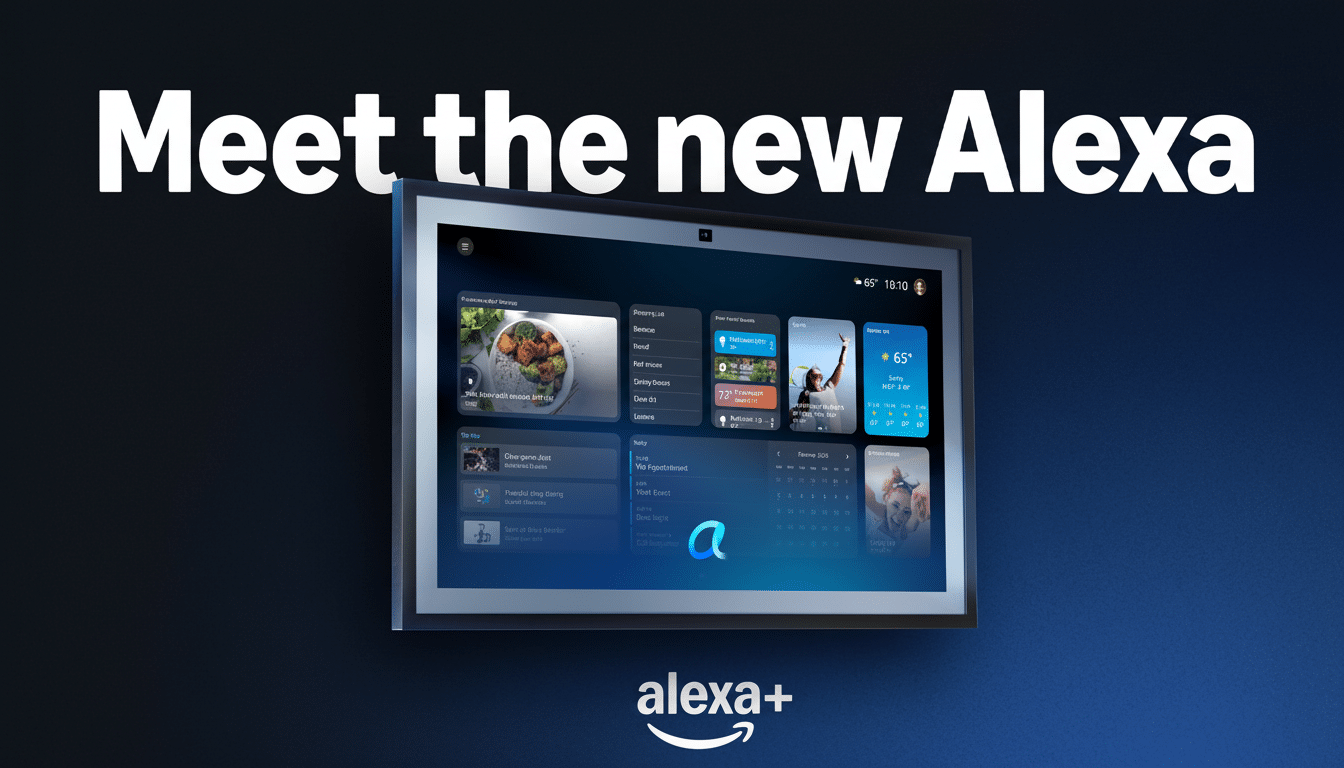
Alexa+ is now coming to new Fire TV devices, turning the television into a conversational assistant that understands context, remembers what you’re watching and can process natural language requests without the stilted syntax of traditional voice remotes. The upgrade is supposed to make browsing and exploring feel more like a conversation than a query in a search box.
Alexa+ extends beyond basic commands. Fire TV owners can request suggestions based on recent viewing, favorite actors, genres or moods and then ask for further refinement after a few turns. It also brings scene-level search and on-screen knowledge snippets, further blurring the lines between streaming and an AI-powered guide.

What Alexa+ Does Differently On The Big Screen
The most immediate change is conversation discovery. Instead of “find action movies,” viewers might say “suggest a movie in the vein of the series I completed last weekend, preferably under two hours” and then further whittle down choices based on cast, rating or where to watch them. And Alexa+ does follow-ups naturally, keeping context from one question to the next.
Overlays of knowledge appear as you watch. Ask “where was this scene filmed,” or “why do I know that actor,” and Alexa+ surfaces production notes, cast filmographies, soundtrack info, and trivia without booting you from the stream. In live sports, it can pull up scores, player stats and schedules and can send you to a live broadcast across services including Prime Video, Sling TV, DirecTV and Fubo.
Its scene-level experience stands out. If you say “jump to the car chase” or “show the post-credits scene,” Alexa+ skips to that point. The feature is launching on thousands of Prime Video titles first, and more catalog additions will be added as partners build better metadata and services.
Early Device Support And Interface Enhancements
Alexa+ comes first to Amazon’s new Fire TV lineup, which consists of updated 2-Series and 4-Series sets, the flagship Omni QLED series and a brand-new Fire TV Stick 4K Select. Other smart TVs from some of its other partners, like Panasonic and Hisense, will get the upgrade too, which means it won’t only be available on Amazon-branded hardware.
Fire TV’s software is also getting shine along with the AI. Live content is underscored in the Channel Guide with enhanced filtering, Watchlist and Continue Watching rows feature unfinished shows more regularly and sports discovery tools provide an easier way for you to jump into live games or follow a favorite team without digging through apps.
Performance and pricing context for Fire TV hardware
On the hardware side, the Omni QLED Series aims to up your picture with an enhanced processor, Dolby Vision and HDR10+ Adaptive, as well as a design that can adjust its brightness to room conditions and wake when you enter. Amazon claims the panels are a lot brighter than previous models, and include more local dimming zones for better contrast. Models range from 50 to 75 inches and start at $479.99.
The new 2-Series and 4-Series introduce auto-brightness under the OmniSense name, and also include Dialogue Boost that lifts voices without making explosions louder (a regular complaint in mixed audio tracks).
And both series now have a new quad-core processor for what should be faster navigation. The 2-Series is available starting at $159.99 in 32 inches and 40 inches; the 4-Series starts at $329.99 for models sized 43, 50 and 55 inches.
When it comes to streaming with a dongle, the Fire TV Stick 4K Select lands at $39.99 and features HDR10+ as well as Amazon’s new Vega OS under the hood. It offers all the major streaming apps and will include Alexa+ in a software update, as well as cloud gaming integration with Xbox and, later this year, Luna.
Why this matters for how we watch and discover TV
Amazon boasts nearly 300 million Fire TV devices sold worldwide to this point as well as hundreds of television models that debuted with partners this year, illustrating the platform’s reach. Streaming itself is now the most-used source for TV screens in the U.S., a trend monitored through Nielsen’s The Gauge, which has ranked streaming as having the highest share of all TV usage since 2023.
Discovery remains the pain point. Viewers jump from app to app, sort through countless rows and drop out of sessions when they are struck with choice fatigue. Research by firms such as Parks Associates and Hub Entertainment Research has found that improved recommendations and better usability drive more engagement in video experiences while also reducing churn. In shifting from keyword search to multi-turn conversation and scene-level control, Alexa+ is aiming just at that friction.
There’s competitive pressure, too. Google TV relies on Assistant and knowledge graphs, while Apple’s tvOS has gradually iterated Siri and Up Next recommendations. Still, making the interface more streamlined and content hub-y for Roku. Amazon’s wager is that even deeper, AI-infused context — from knowing what you watched to what you asked and how you steer choices — will shorten the path between browsing and picking a show.
What to watch next as Alexa+ expands on Fire TV
How fast the feature will grow depends on metadata and partner integrations, of course. Scene search relies on richly tagged databases; as studios and streaming services open up more markers, Alexa+ should get more intelligent both across platforms and beyond Prime Video. Look for more tie-ins to live sports providers and finer controls over watchlists, parental filters and accessibility features such as Dialogue Boost.
The larger concept will be whether conversational control becomes the way people naturally move through the TV. And if it happens, the remote control may soon give way to an AI that knows more than just what you said, but also understands what you meant — making the biggest screen in the house also the most intuitive.
