


The new year is off to a rough start for cybersecurity. AI coding agents are quietly shipping risky code into production, QR code “quishing” attacks are slipping past filters and onto your phone, and cybercrime rings are operating like well-funded startups. The result is a sprawling threat picture that touches developers, consumers, and enterprises all at once.
Security teams say the tone has shifted: speed and scale now favor attackers. Chainalysis reported ransomware payments hit a record $1.1B in 2023, and the Verizon Data Breach Investigations Report has long shown the human element in most breaches. Add AI-generated code and QR-based phishing to the mix and the attack surface expands in subtle, high-volume ways.
AI Coding Agents Are Shipping Vulnerabilities
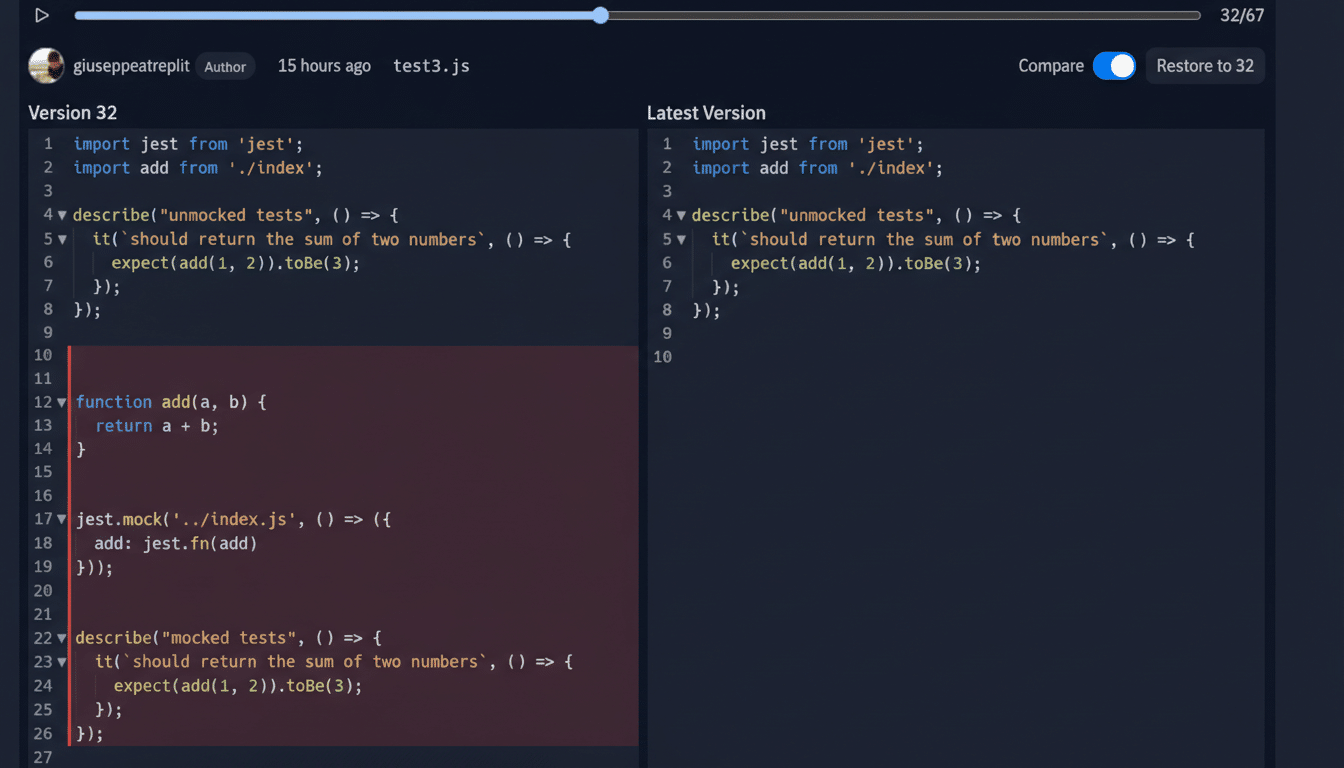
Fresh research from Tenzai examined popular AI coding agents, including natural-language “vibe coding” tools that scaffold entire apps from prompts. The findings are sobering: every agent tested exhibited security weaknesses ranging from unsafe dependency handling to insecure defaults and prompt-injection exposure. Replit’s agent scored comparatively better with no critical issues, while Anthropic’s Claude logged several critical findings, according to the report.
The nuance matters. Tenzai’s analysis notes that with clear guardrails—restricted tool access, strict dependency policies, and integrated code scanning—these agents can produce safer output. But absent those controls, they will confidently generate vulnerable code, leak secrets into logs, or accept untrusted input paths. This is not theoretical; these tools are already in daily workflows, which means latent bugs are getting baked into releases.
The takeaway for engineering leaders is pragmatic: treat AI agents like junior developers with superhuman speed. Pair outputs with SAST and DAST scanning, enforce software bills of materials, require signed dependencies, and gate merges behind human review. Speed without checks is a gift to threat actors.
QR Codes Are the New Phishing Link for Attackers
QR code scams have matured from curiosity to mainline tactic. The FBI recently warned that attackers—including state-backed groups—are embedding malicious QR codes in emails and on physical signage to drive victims to credential-harvesting pages or payment portals. Because many QR readers open links automatically and email gateways often under-scan images, quishing neatly sidesteps legacy defenses.
The trick works in the real world, too. Police in multiple cities have investigated swapped QR stickers on parking meters and transit kiosks—small changes with outsized impact. Attackers also place QR codes in urgent-looking corporate notices or delivery slips, preying on muscle memory rather than malware. It’s a social-engineering problem wrapped in a convenience feature.
Defenders should assume QR codes are untrusted links. On mobile, use readers that preview URLs before opening. In the enterprise, enable URL rewriting and sandboxing for destinations reached via QR, turn on phishing-resistant multifactor such as FIDO2 passkeys, and train users to verify out-of-band before scanning anything tied to payments or credentials.

Cybercrime Has Professionalized Across Global Markets
Behind the scenes, attacks are being orchestrated from cubicle farms, not basements. Ransomware-as-a-service, initial access brokers, and affiliate programs make it trivial to stitch together a campaign. Victims increasingly face double-extortion tactics—encryption plus data theft—while social teams pump out polished phishing that mirrors corporate marketing. The business model is working, and it’s getting faster.
This industrialization explains the surge in text-based phishing, invoice fraud, and QR variants. It also intersects with AI: threat actors are using language models to refine lures, improve code snippets, and localize scams. The combination of automation and low-cost labor is why attacks feel both constant and curiously personalized.
Policy And Platform Moves Signal a Reset
Governments and platforms are reacting, albeit unevenly. Reuters reported that Chinese authorities have instructed domestic firms to avoid security software from American and Israeli vendors, highlighting the geopolitical strain that complicates cross-border incident response. Regulators are also flexing on data misuse: the Federal Trade Commission has barred General Motors from selling or sharing precise driver location and behavioral data for 5 years and now requires explicit consent before collection.
On the platform side, Meta denied a breach after a wave of unsolicited Instagram password resets, but the episode underscores a perennial lesson: if a service looks wobbly, rotate passwords and enable multifactor authentication. The broader message is clear—data governance, identity security, and software supply chain controls are converging issues, not separate checkboxes.
How To Reduce Risk Right Now Across Teams and Homes
For developers, wrap AI agents with least-privilege tool access, lock dependency sources, and block secrets from logs. Pipe all agent output through code scanning and treat security findings as blocking issues, not suggestions.
For everyone else, treat QR codes like shortened links: verify the source, preview the URL, and never enter credentials or payment details after a scan without independent confirmation. Keep passkeys or hardware-based MFA on critical accounts and store unique passwords in a manager.
The bad news is that attackers are faster and more organized. The good news is that disciplined basics—identity, patching, code review, and user verification—still blunt the majority of attacks. In 2026, security is less about heroics and more about habits.
