


A widely used student admissions platform inadvertently exposed children’s personal information to any logged-in user, highlighting how a simple access control mistake can put families at risk. The platform, Ravenna Hub, which helps parents apply to and track enrollment across thousands of schools, has since patched the flaw.
How a Simple IDOR Flaw Exposed Other Students’ Records
The issue stemmed from an insecure direct object reference, or IDOR, a class of bug where internal identifiers can be manipulated to retrieve other users’ data. In this case, changing the numeric value in a student profile URL exposed records belonging to other children because the numbers were sequential and not protected by robust authorization checks.
- How a Simple IDOR Flaw Exposed Other Students’ Records
- Personal and Family Details Exposed by the Ravenna Bug
- Why Broken Access Control Risks Are Especially Severe
- Regulatory and Liability Considerations for Schools
- How the Vulnerability Could Have Been Prevented
- What Families Using Admissions Portals Should Do Now
- The Bigger Picture for Edtech and Student Data Safety

Florida-based VentureEd Solutions, the developer of Ravenna Hub, says it serves more than a million students and handles hundreds of thousands of applications annually—scale that amplifies the potential reach of any vulnerability. Public details about who oversees cybersecurity at the vendor remain sparse, underscoring the opacity that often surrounds private edtech providers.
Personal and Family Details Exposed by the Ravenna Bug
The exposed information included children’s names, dates of birth, addresses, photographs, and school details. Parents’ email addresses and phone numbers were also accessible, along with sibling information tied to the same household accounts. Whether malicious actors accessed or exfiltrated the data remains unclear, but the sensitivity of these fields heightens the risk of harms ranging from targeted phishing to identity misuse.
Why Broken Access Control Risks Are Especially Severe
IDOR is not an obscure edge case; it sits under Broken Access Control, which the OWASP Top 10 lists as the most significant web application risk. Sequential identifiers and missing object-level authorization are a perennial pattern in breaches and exposures. Verizon’s Data Breach Investigations Report has consistently found that web applications are among the most-targeted assets, and weak access controls remain a common root cause.
Children’s data is especially sensitive. The Federal Trade Commission has warned that minors’ identities can be exploited undetected for years, given a lack of routine credit checks. Beyond fraud, exposure of addresses and school affiliations can create concrete safety risks for families navigating custody issues or stalking concerns.
Regulatory and Liability Considerations for Schools
Depending on the nature of the records, an incident like this can trigger obligations under the Family Educational Rights and Privacy Act (FERPA) and, for users under 13, the Children’s Online Privacy Protection Act (COPPA). Many states also have student data privacy laws and broad breach-notification statutes that require timely disclosure when personal information is exposed. Schools that contract with vendors share accountability for ensuring appropriate technical and organizational safeguards are in place.
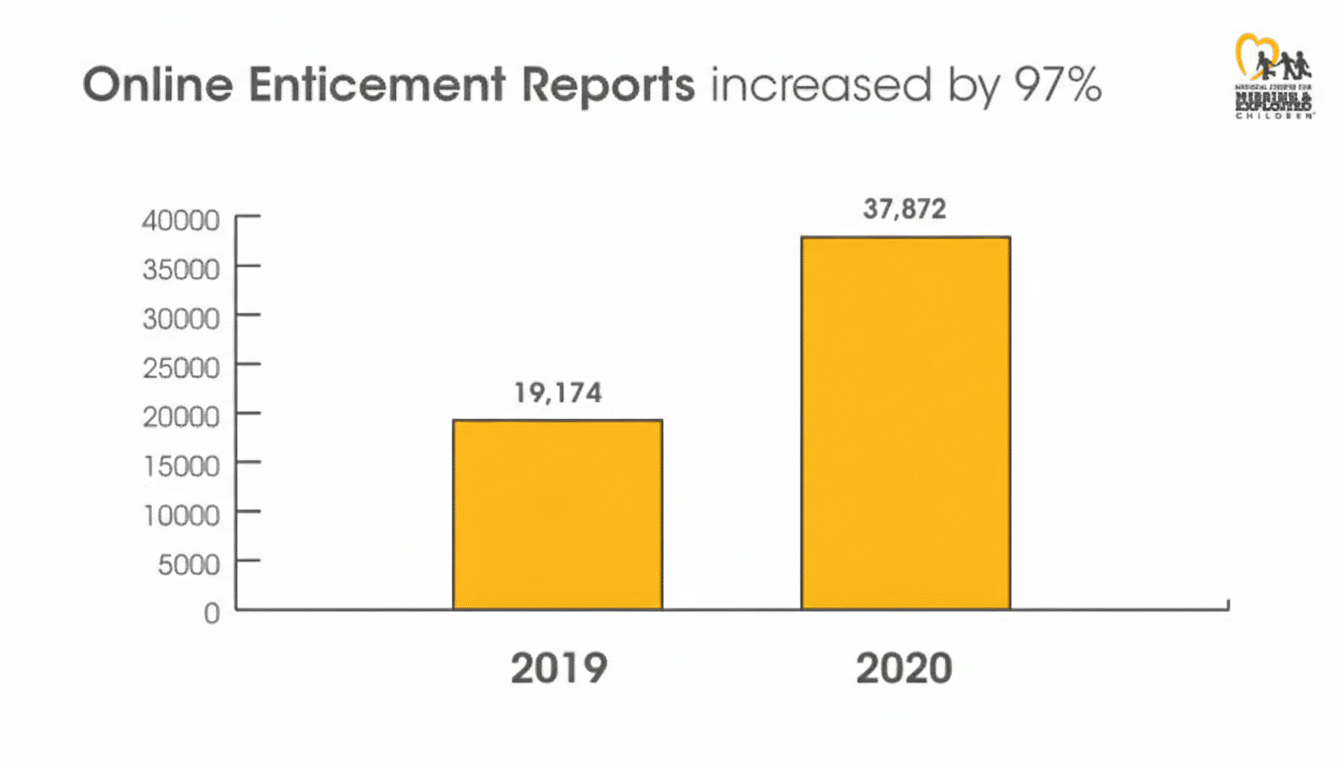
This is not an isolated misstep. Earlier this year, an online mentoring platform for students disclosed a similar exposure of user data, illustrating how basic access control lapses continue to surface across youth-focused services.
How the Vulnerability Could Have Been Prevented
At a minimum, platforms handling student records should implement strict object-level authorization checks on every request, use non-enumerable identifiers (such as securely generated UUIDs), and block direct access to records a user does not own. Complementary controls include rate limiting, anomaly detection, audit logging with real-time alerts, and mandatory code reviews focused on access control logic.
Independent penetration testing, a public vulnerability disclosure or bug bounty program, and continuous security testing in CI/CD pipelines can help catch IDOR flaws before they reach production. Mapping high-risk data flows and applying the principle of least privilege—both for users and services—are table stakes for vendors operating at national scale.
What Families Using Admissions Portals Should Do Now
Parents using admissions portals should change account passwords, enable multifactor authentication where available, and be wary of targeted emails or texts that reference school or application details. It’s reasonable to request a formal incident notice from the school or vendor outlining what data was involved, how long it was exposed, and what safeguards are now in place.
In the United States, parents can request a free credit freeze for minors from the three major credit bureaus. While many children don’t have a credit file, creating and freezing one can limit the risk of identity fraud if personal details were exposed.
The Bigger Picture for Edtech and Student Data Safety
Edtech platforms increasingly act as custodians of highly sensitive family information. As districts consolidate on third-party systems for enrollment, payments, and learning, basic security failures carry outsized consequences. The latest exposure is a reminder that protecting children’s data is not just a compliance checkbox—it’s a design imperative that must be verified continuously, not assumed.
