


The rarest thing in Westeros isn’t dragonfire or dynastic peace. It’s comfort. Against all odds, A Knight of the Seven Kingdoms delivers exactly that—a warmly scaled, character-first prequel that trades palace scheming for campfire camaraderie and turns the Game of Thrones universe into a place you might actually want to linger.
Why This Westeros Feels Different From Past Series
Where its predecessors sprawled across continents and timelines, this series parks itself at a single tourney ground, Ashford Meadow, and lets the world breathe. Mud-caked lanes, dented helms, patched tents, and a puppet stage for the smallfolk do more than decorate—they signal a tonal reset. Absent are dragon set pieces and Red Keep whisper networks; instead, we get a lived-in, good-humored Westeros that remembers the joy of spectacle without cruelty as the default.
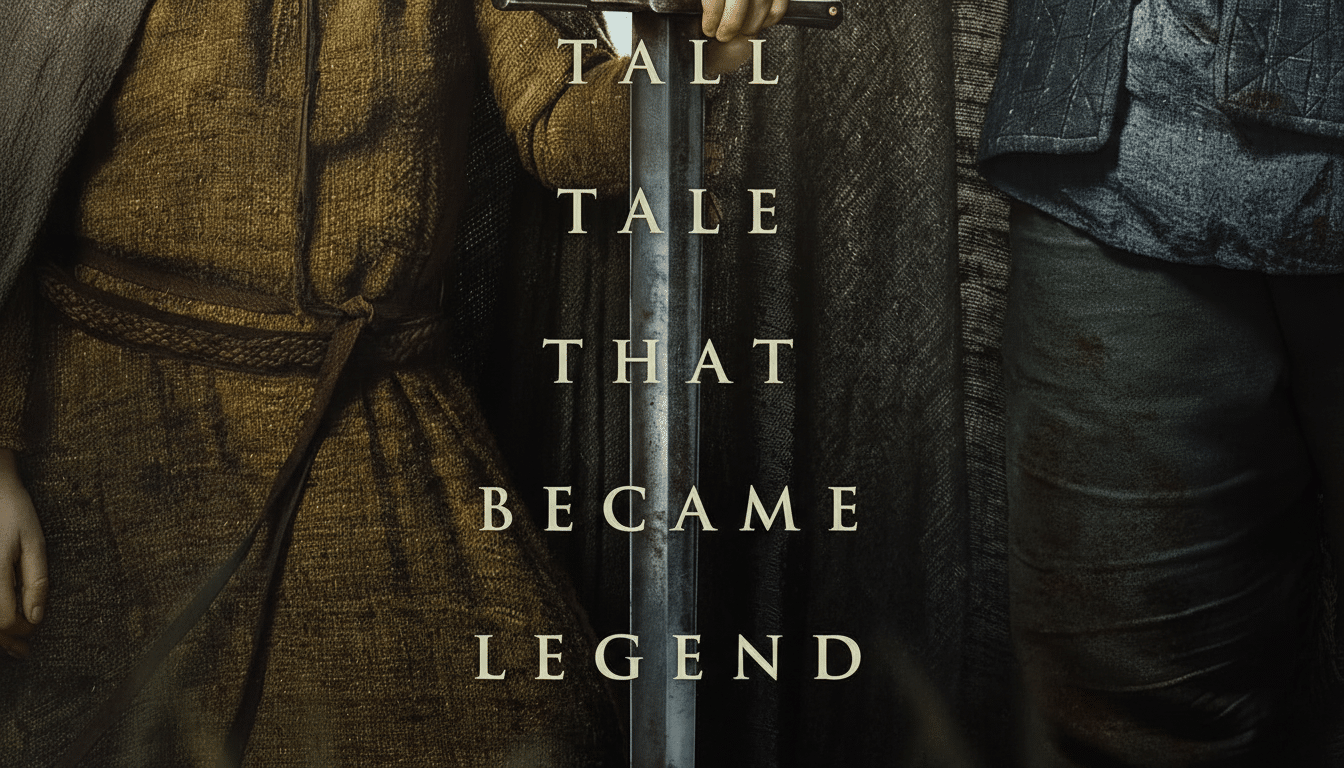
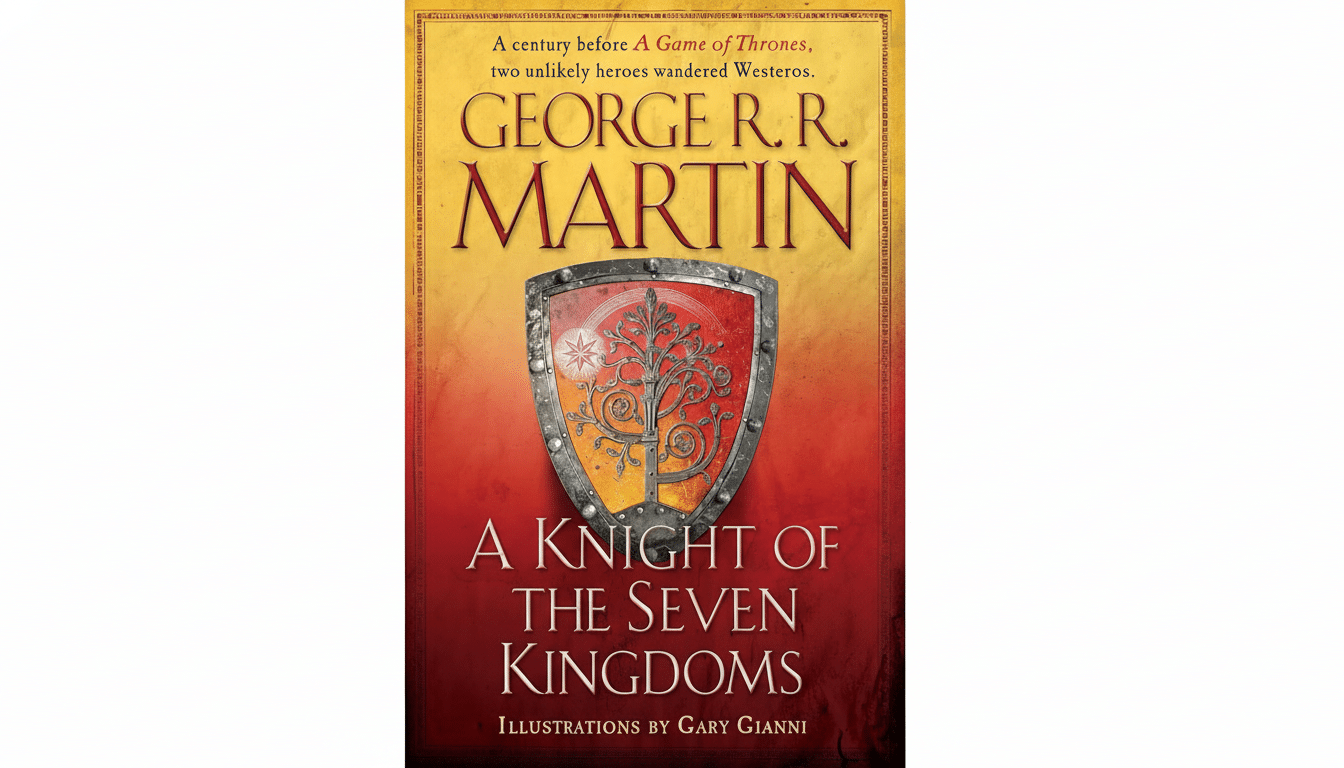
Adapted from George R.R. Martin’s Tales of Dunk and Egg, the show wisely embraces the novellas’ modesty. It’s a story about earning your spurs, not seizing the throne. Even the opening beats wobble the franchise’s familiar cadence, puncturing grandeur with an earthy wink. The message is clear: same map, new mood.
The Heart Is Dunk and Egg, A Knightly Partnership
Peter Claffey’s Ser Duncan “Dunk” the Tall is a revelation precisely because he isn’t one. He’s no prodigy, no hidden heir, no master tactician. He’s kind. Claffey plays him as a gentle giant whose sense of duty outgrows his self-belief, shrinking his imposing frame when praised and bristling only when others are bullied. The source material’s “Dunk the Lunk” jibe hangs over him, yet the series treats compassion as a form of strength, not naïveté.
Enter Egg (Dexter Sol Ansell), a sharp-eyed, sharper-tongued boy who conscripts himself as Dunk’s squire. Their odd-couple rhythm—towering knight, pint-sized strategist—clicks immediately. Their banter pops during tourney chaos; their quiet talks under canvas carry surprising tenderness. The duo conjures memories of Arya and the Hound, but with the early warmth of partners who prefer protecting to punishing. It’s the franchise’s most inviting pairing since the road years of Brienne and Podrick.
Action With Restraint in Jousts and Melees
Make no mistake, the lances still splinter. The jousts are staged with rare clarity—camera placement favors readability over spectacle, letting you feel the heft of horse and armor. Brief melee stretches punch above their weight: visceral without leering, personal without nihilism. Targaryen currents ripple at the edges, but the drama remains human-scale, where the stakes are reputations, bruised ribs, and the safety of bystanders rather than the fate of an empire.
Comfort TV Without Compromise, Warmth Over Misery
Calling this a comfort watch doesn’t mean it’s soft. The series sets moral tests and lets decency be hard-won. What it rejects is misery as a worldview. In an era when audiences increasingly reach for restorative storytelling, that choice is savvy. Nielsen’s The Gauge has consistently shown that viewers gravitate to rewatchable, lower-stress fare—witness the runaway hours for Suits during its resurgence—because familiarity and warmth travel well.
There’s strategic franchise sense, too. HBO previously reported Game of Thrones’ final season averaged more than 44 million viewers per episode across platforms, while House of the Dragon opened near 10 million on its first night. Rather than chasing bloat, A Knight of the Seven Kingdoms bets on intimacy and word-of-mouth. Parrot Analytics has repeatedly ranked the Thrones universe among the most in-demand fantasy brands; broadening tonal range is how you keep that demand durable.
Craft That Serves Character, Not Empty Spectacle
The production design leans into scuff and stitch, and the costume work tells stories—patched surcoats for journeymen knights, lovingly burnished helms for nobles who want to look seasoned without the scars. Even the score resists bombast, reserving swell for hard-earned moments between Dunk and Egg. The result is a show that trusts silence, eye contact, and small gestures as much as horse charges.
Verdict: A Warm, Human-Sized Tale in Westeros
A Knight of the Seven Kingdoms reframes Westeros as a place where goodness has agency and scale isn’t a prerequisite for stakes. Anchored by Peter Claffey’s disarming sincerity and Dexter Sol Ansell’s quicksilver wit, it’s a soulful pivot for the franchise—inviting to newcomers, rewarding for lore-hounds, and quietly radical in its belief that chivalry, when practiced instead of preached, can carry a series. It may be set among tilting lists and muddy camps, but it plays like a warm hearth in a cold world.
