


If you follow the DNA of today’s Pixel family, the line runs straight through the Nexus 6P. Well before Tensor chips and seven-year life cycles, Google’s final Nexus model established a blueprint: computationally ambitious cameras, obvious design touches, and a software-first approach that would come to define the Pixel brand.
The 6P wasn’t merely another developer reference device. Constructed alongside Huawei, it hit the scene as a cocksure high-end statement — one that banished Google’s smartphone status from enthusiast niche to bona fide mainstream. A lot of the moves that make Pixels unique were tested out here first.
The Camera Blueprint That Set The Stage For Pixel
Up until the 6P, no one ever really stopped to think about a Nexus camera. The 6P flipped that script with a 12.3MP Sony sensor, big 1.55 µm pixels, and a burst-and-merge HDR+ pipeline which leaned hard into computational image processing instead of brute-force optics. Its more light per pixel, combined with smart multi-frame processing, was the foundation of the Pixel equation.
Developed by imaging pioneer Marc Levoy and the Google Research team, HDR+ combined multiple underexposed images to constrain noise levels and keep details where you actually want them, such as highlights — something that used to require a slow exposure time or tedious digital processing with your computer. The Snapdragon 810 chip, while infamous for its heat issues, was still beefy enough to handle the heavy lifting. Tests from camera labs like DxOMark put the 6P near the top of its class, a first for a Google phone.
Much to our surprise, the 6P did not include optical image stabilization, which put a serious dent in its video recording capabilities compared to other rivals. And Google’s response laid the future: Pixels put in OIS (with software stabilization fused on top), then Night Sight, Super Res Zoom and later, Real Tone color science. It’s clear from the throughline — the 6P showed that computation was the lever; Pixels pushed it further with dedicated silicon.
A Design Language That Pops And Defines Pixel Phones
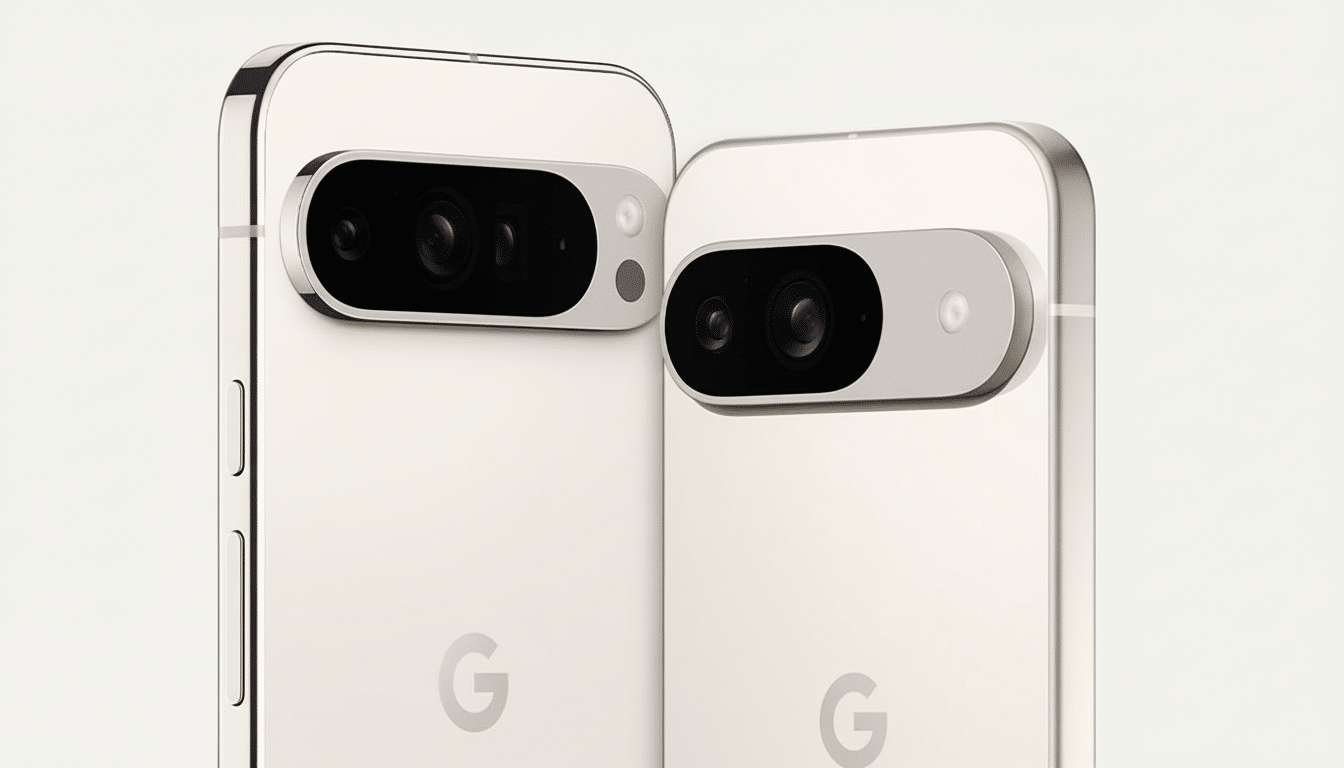
The 6P’s aluminum frame and unique glass visor was not just a receptacle for its sensors — it provided Google with its visual calling card.
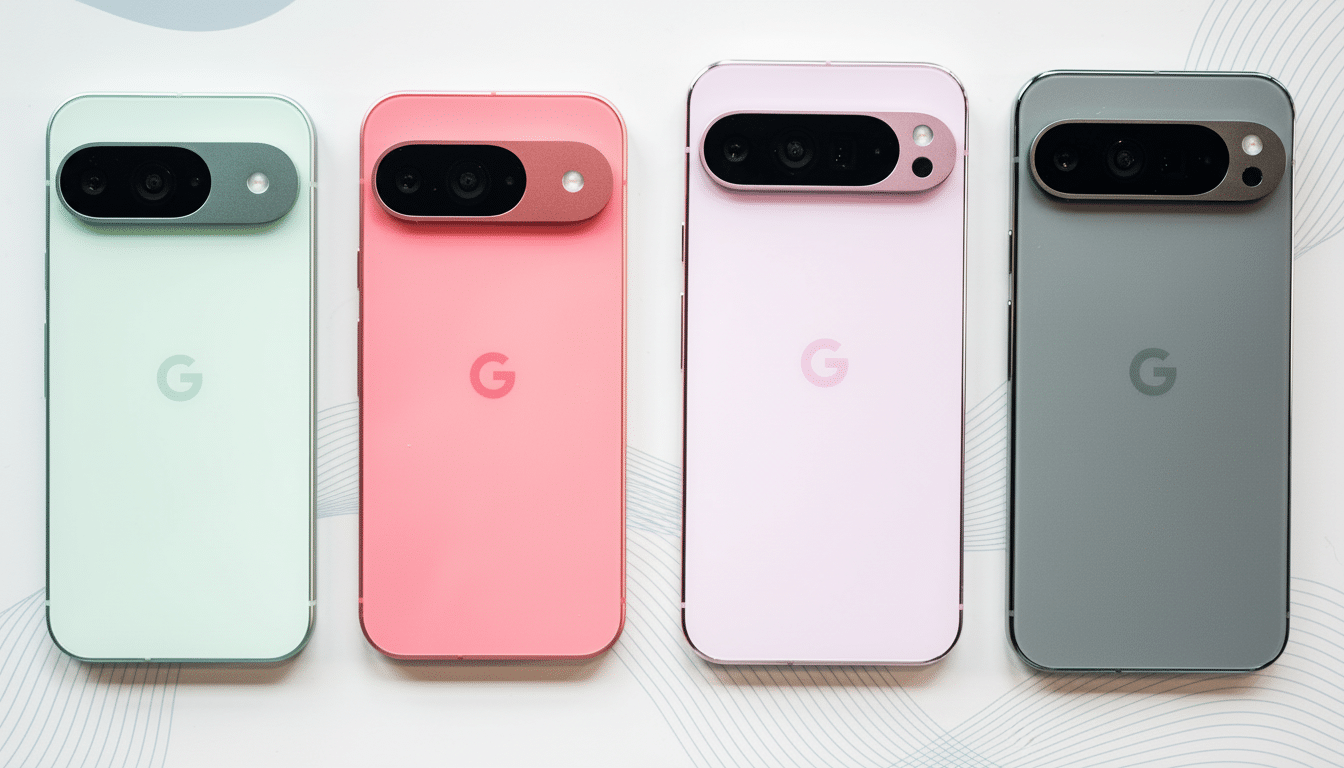
In an era when most phones all looked the same, the visor meant that you could quickly spot a 6P from across the room. The proportions of that look lived on in force with the camera bar of the Pixel 6 and evolved into the island aesthetic of recent models, establishing a brand identity as indelible as Apple’s notch or Samsung’s contour cut.
Even smaller choices echoed forward. Nexus Imprint, the quick rear-mounted fingerprint sensor, set speed and reliability standards that Pixels would carry into future generations (before phones began moving to under-display sensors). The focus on metal-and-glass refinement, even weight distribution, and tactile finishes anticipated Google’s current leanings for premium feel with character.
Hardware And Software At Odds In The Nexus 6P Era
At $499 for the base-tier model, the 6P was a relative bargain compared to contemporaries like the Galaxy S6 and came with flagship specs.
It embraced USB-C relatively early, forced the issue on fast charging, and crucially set an example for clean software alongside timely updates — values that would evolve into today’s Pixel feature drops and commitment to long-term support. With recent Pixels, Google now commits to up to seven years of OS and security updates — a stance in line with the Nexus way of solid, developer-centric foundations.
The computational paradigm that kicked off on the 6P also paved the way for custom silicon. Whereas Google leaned on specialty image processors in more recent Pixels, the company brought Tensor on board to make camera pipelines, speech, and on-device AI faster. It doesn’t matter if it’s Photo Unblur, Best Take, or real-time HDR video; the thesis is the one that worked with the 6P: software and silicon, together, can overcome spec-sheet arms races.
Lessons From The Flaws That Shaped Future Pixels
The 6P had genuine problems — Snapdragon 810 heat, reported issues of bootloops, and no water resistance. Those pain points translated to the Pixel roadmap in physical ways: tighter thermal design, IP ratings, advanced video stabilization, a more stacked hardware–software co-design. Flaws did not take away from the 6P’s impact; they sharpened Google’s focus on reliability to fit its outsized features.
How The 6P Still Influences The Modern Pixel Line
Look at a Pixel 9 Pro taking a high-contrast sunset, or a Pixel Fold shooting clean in low light, and you’re seeing the 6P’s philosophy in action. Prioritize light capture, intelligently fuse the frames together, leverage silicon designed specifically to help scale the math, and serve it all in a unique design that screams “this is a Google phone!”
The Nexus 6P was the end of an era, yes, but it was also the first chapter in a new book: that of Pixel. From the camera-first thinking to the aggressive industrial design and long-haul software support, today’s Pixels don’t just echo the 6P — they add up to that vision it sketched out nearly a decade ago.
