


Want to get out of the walled garden? Contemporary Android phones can definitely put up a fight, with powerful variety and life-simplifying features that could seriously alter the way you use your phone from day to day. This is not a dunk on the iPhone; it’s about what you can collect from switching.
Android also commands global market share, which means more competition and faster iteration. It’s a scale at which device makers are compelled to be innovative and fine-tune the cost-value formula, because independent trackers like StatCounter have long reported that Android runs on about seven in ten smartphones globally.
- More Hardware Choice And Pricing Flexibility
- Foldables And Fresh Form Factors Expand Your Options
- Tailoring To Your Workflow With Deep Customization
- Easier File Management And Sharing Across Devices
- App Freedom And Alternative Stores For More Choice
- More Charging And Battery Perks That Save You Time
- Productivity Tools You Can Access Right Now
- Longer Software Support And Strong Value
More Hardware Choice And Pricing Flexibility
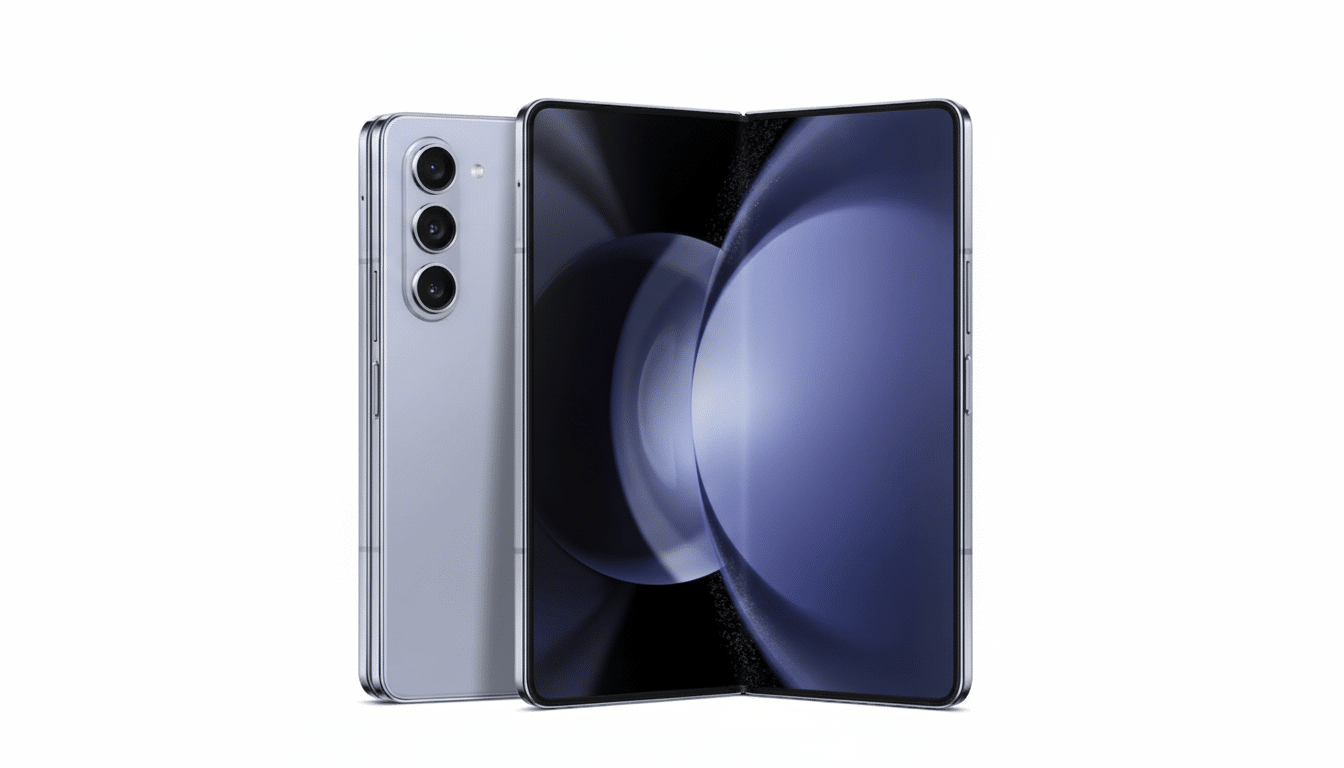
From small flagships, to massive camera-first behemoths, gaming phones with active cooling and stubby mid-rangers, Android’s hardware is unusually diverse. The good news is that there are premium models produced by Samsung and Google, performance-focused phones from OnePlus and ASUS, or budget standouts made by Motorola and others. Research firms like IDC and Counterpoint Research have long pointed out that this variety stretches across price tiers, from multi-hundred-dollar to top-end flagship devices, empowering you to choose the mix of screen size, camera system, battery life or design that actually fits your life.
Foldables And Fresh Form Factors Expand Your Options
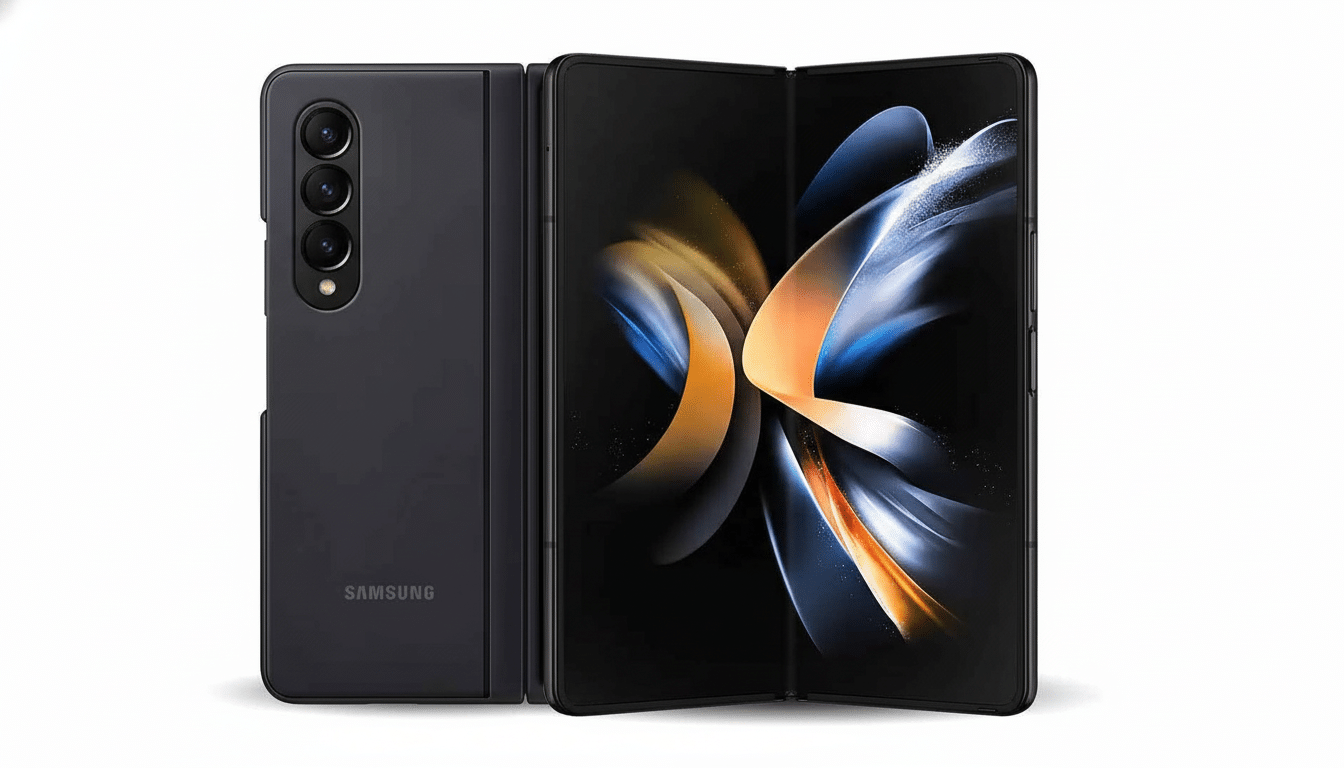
If you crave a phone that is part of a tablet or a contemporary clamshell that shuts down to about half, Android on anything else today is the place where those gripes reside. Devices like Samsung’s Galaxy Z Fold and Flip, the Motorola Razr, the OnePlus Open and Google’s Pixel Fold demonstrate how software and hardware can adjust to multitiered displays. Foldable shipments have been one of the fastest-growing premium segments, according to IDC, a statement that this is not aspirational but rather these are our daily drivers, and they are getting better in their durability efforts and hinge designs.
Tailoring To Your Workflow With Deep Customization
With Android, it’s possible to customize the look and feel of your phone without any hackery. You can swap out launchers (Nova, Niagara), install icon packs, create slick custom widgets using apps like KWGT, set true default apps and automate tasks with Tasker. Google’s Material You theming extends into system colors and widgets so your phone actually feels like it reflects you. The result is a home screen and app experience that molds to your routines, not the other way around.
Easier File Management And Sharing Across Devices
Plug an Android phone into a Windows, macOS, or Linux computer and you can drag files directly, with no special software required. Plenty of models can also use external drives via USB-C, and on some models even a microSD card. Nearby Share (it’s now branded Quick Share on some phones) also supports Windows, which makes dragging and dropping gigabytes between devices feel more native. If you’re a RAW shooter shuffling pictures, a student dragging files or simply do things in folder-tidy ways, such access is time-saving.
App Freedom And Alternative Stores For More Choice
Android has third-party app stores (the Samsung Galaxy Store, Amazon Appstore) and allows you to sideload apps if you want. Historically, that flexibility has allowed categories like emulators, niche productivity tools and region-specific services to thrive. Though the Digital Markets Act tied to the European Commission is pushing broader change throughout the industry, Android has been open in this regard for years, offering developers and power users alike more ways to try out new software.
More Charging And Battery Perks That Save You Time
That said, if you’re concerned with minutes rather than hours spent on a charger, Android leaps ahead. Samsung’s mainstream flagships boast 45W wired charging, while OnePlus and Xiaomi regularly exceed 80W or even 120W on qualifying models with phone safety certifications like TÜV Rheinland. It’s also common to have reverse wireless charging, for topping up earbuds or a friend’s phone. A tip: when it comes to topping up, it can actually be fast.
Productivity Tools You Can Access Right Now
Split-screen multitasking, picture-in-picture video, floating chat bubbles, a system-wide back gesture, guest mode and multiple user profiles are all Android features. Certain devices also feature desktop modes like Samsung DeX, or display-out over USB-C, so you can deposit your phone into a monitor-and-keyboard setup in seconds. They’re time-savers for students, multitaskers and road warriors.
Longer Software Support And Strong Value
Update longevity, once the Achilles’ heel of Android, has improved significantly. Google promised up to seven years of OS and security patches on recent Pixel flagships, and Samsung matched that commitment with its latest Galaxy S-series. That is, you can theoretically buy an Android phone for value and longevity today — a recurring theme in company briefings and industry coverage.
No platform is perfect, but the sheer scope and speed of innovation in Android, as well as the improvements it has made to everyday activities such as navigation and sending messages, makes an Android phone (though not necessarily any single model) more appealing than ever. But when you’re ready for a wider range of options, faster charging, deeper customization and productivity features that feel designed for real life, making the switch is simply easier — and more rewarding — than you may have thought.
